Loose and Mineral Powders
Loose powders are finely textured face powders designed to finish and set makeup, even out the complexion, and help subtly reduce shine, especially in the T-zone. Here you will find translucent, tinted, and mineral loose powders, as well as convenient travel-friendly options, so you can choose the desired finish and coverage.
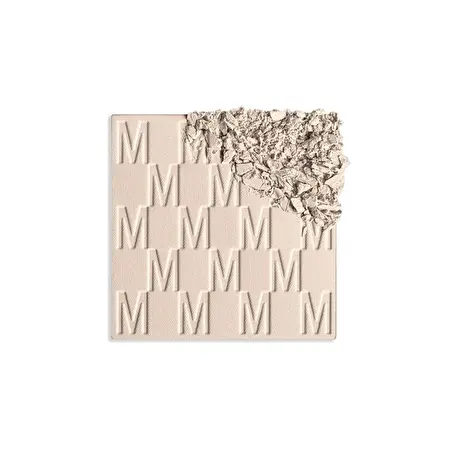
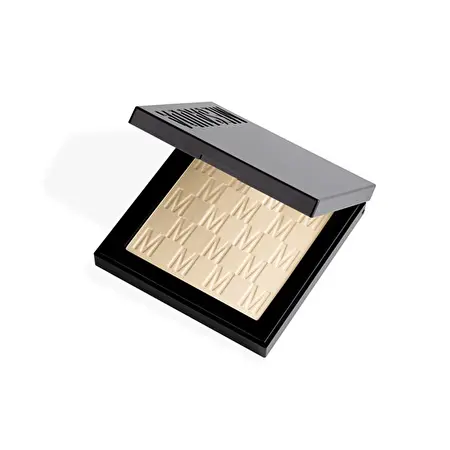
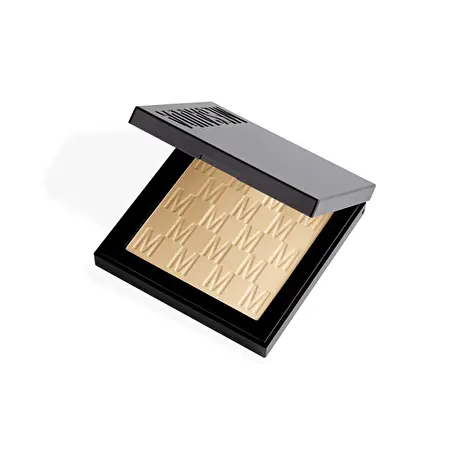
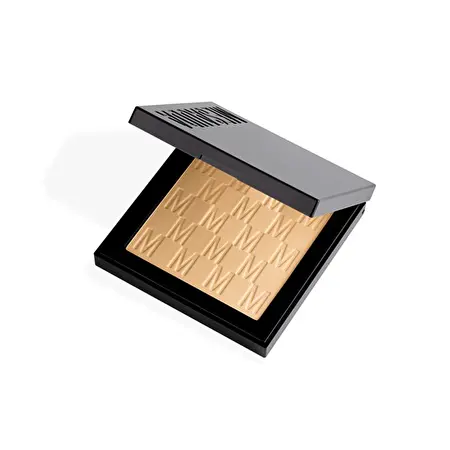
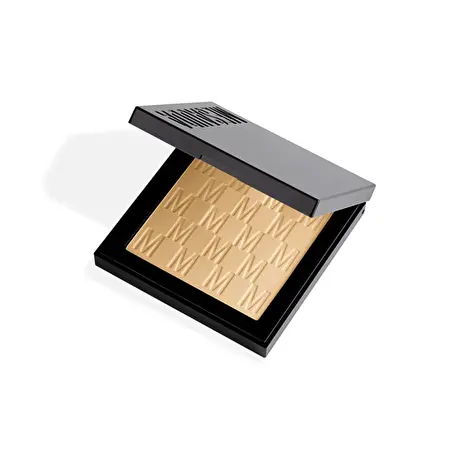
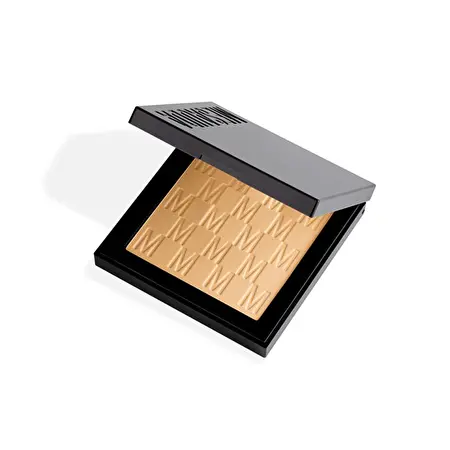
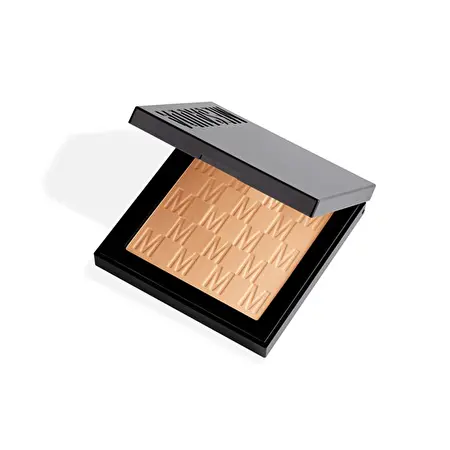
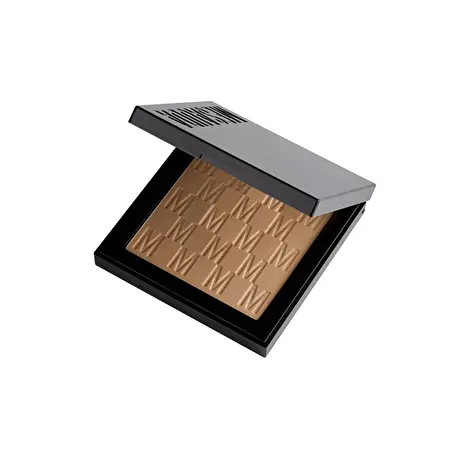
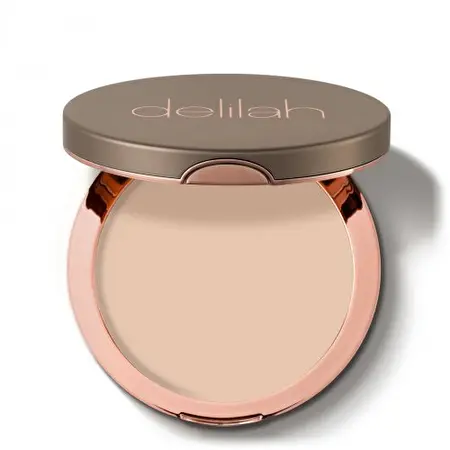
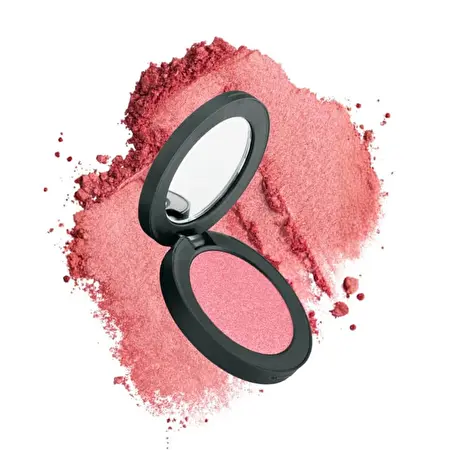
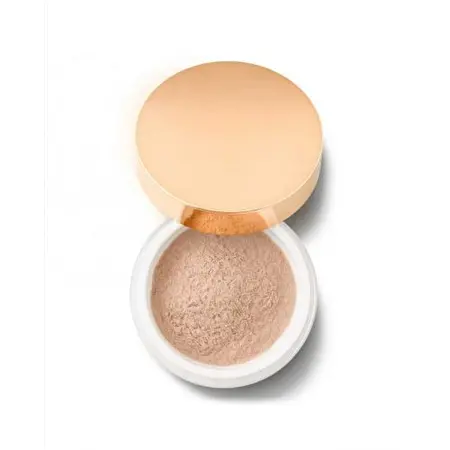


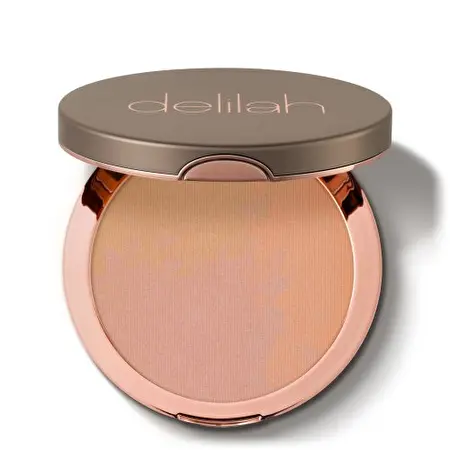
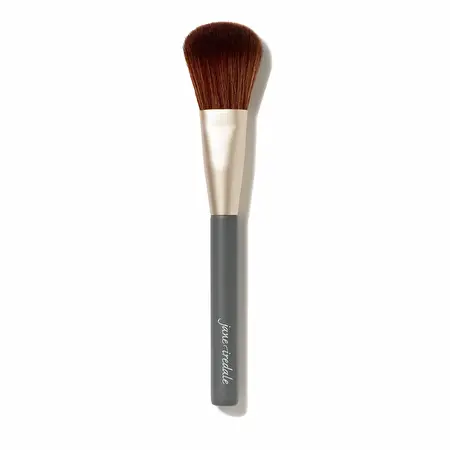
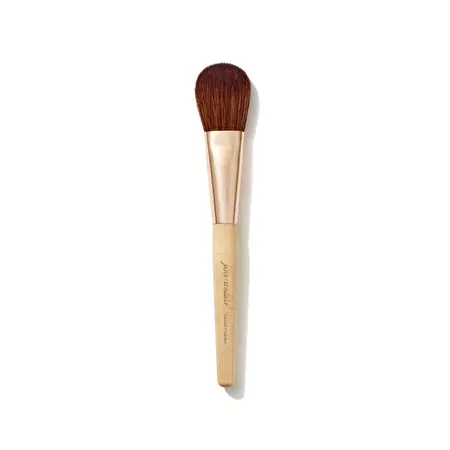
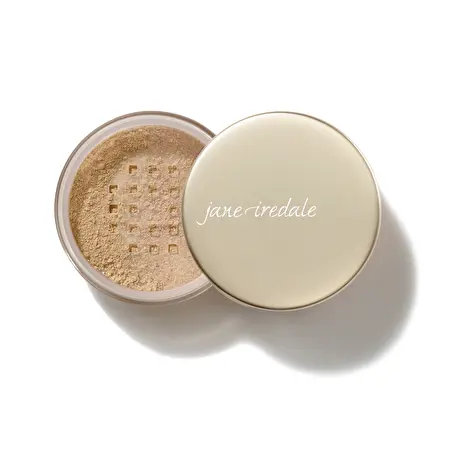
Loose Powders: a light makeup finish, set, and softly smoother-looking skin
When you want your makeup to look polished from morning to night, loose powders are often the go-to. They help create a natural-looking finish, even out the overall appearance of the complexion, and subtly reduce the look of pores-especially in the T-zone. For everyday wear, it’s convenient to choose translucent options, and when you want extra smoothing, opt for a tinted formula or a mineral alternative. In this category you’ll find both mineral powder options and practical solutions for travel, when a compact powder comes in handy. Buying powder online makes it easy to calmly compare shades, effects, and ingredients to match your needs.
Loose, mineral, or compact powder: what’s the difference?
Loose powder is most often chosen when makeup setting and a soft, velvety finish matter most. Its fine texture helps gently “lock in” foundation and concealer, control shine in problem areas, and visually smooth skin texture. Translucent loose powder is especially popular because it barely changes the shade of your base and suits many skin tones, as long as you don’t apply too much. Mineral powder stands out in that it often delivers a cleaner, lightweight result and can be used both as a finishing step and as an ultra-light base when you want a “less is more” effect. It can be loose or pressed, making it easy to find an option that fits your habits. Compact powder is a true lifesaver throughout the day: it’s handbag-friendly, quickly evens out areas where makeup has settled, and is useful for travel or long workdays. For photoshoots or events, an ultra-fine setting powder is often chosen so the skin looks smooth and makeup stays stable.
How to choose a powder by skin type and desired effect
For oilier or combination skin, a mattifying powder works best, helping control shine and maintain a fresher-looking complexion. In this case, it’s worth looking for a lightweight texture that doesn’t feel heavy, yet reliably sets makeup-so powder for oily skin is often used in the T-zone and around the nose. For dry skin, it’s important that the powder doesn’t emphasize flakiness: choose an ultra-fine, “soft” formula, and make sure to hydrate before applying; this way, powder for dry skin helps lightly even out rather than “locking in” dryness. Mature skin often prefers a subtly radiant or neutral finish, because an overly dry matte effect can highlight texture; here, a minimal amount and careful application are especially suitable. For sensitive or acne-prone skin, a mineral composition is often chosen, but individual reactions and how your skin “gets along” with specific ingredients always matter. If longevity is the priority, choose a setting powder; if you want less shine, focus on a mattifying effect. When aiming for an especially natural result, less product and more attention to targeted areas works better than “dusting” the entire face.
Powder shade and coverage: how to avoid mistakes when choosing
The safest choice when you’re unsure about tone is often a translucent loose powder: it’s designed to minimally affect the color of your base and help maintain a clean, polished finish. Tinted powders offer more benefits when you want extra evening of the complexion or light coverage without a heavy feel-especially if you use less foundation. When choosing a shade, it’s helpful to assess your undertone: cool, warm, or neutral undertones often determine whether the powder looks harmonious or appears mismatched against the neck. When buying powder online, it’s worth reviewing the manufacturer’s descriptions and shade photos in different lighting; and if swatches or customer reviews are provided, they often show the real-life look more accurately. Coverage also matters: loose powder is typically meant to finish and set, while mineral powder often allows layering from a light to medium result. If you do your makeup quickly, a compact powder can be a convenient choice because it lets you touch up more precisely where extra evening is needed. If you plan to be photographed with flash, choose very fine, well-blending formulas and use a minimal amount to reduce the risk of flashback.
How to use loose powder correctly: tools and steps
The best-looking result starts with controlling the amount: with loose powder, the rule “less is more” almost always wins. If you want an especially natural finish, choose a fluffy brush, pick up a small amount of product, tap off the excess, and sweep lightly over the face, focusing mainly on the T-zone. For longer wear, a sponge works well: gently press the powder into areas where makeup tends to break down faster, and keep the layer very thin for more stable setting. For the under-eye area, an extremely small amount is important, because too much product can emphasize fine lines or dryness; one subtle layer and careful blending is better. A common mistake is powdering completely unhydrated, tight-feeling skin: in that case, even a good powder for dry skin can look uneven, so it’s worth taking care of hydration first. If your skin is oilier, powder for oily skin works best when concentrated where shine is strongest, rather than layered everywhere. For everyday use, it’s convenient to have both a loose and a compact version as a duo: one at home for setting, the other for quick touch-ups during the day.
- Brush – for a soft, natural finish and light layering.
- Sponge – for precise setting, especially in the T-zone and where you want more staying power.
- Minimal amount – the best protection against a cakey effect and excess dryness.
If you use a setting powder and are planning a day with lots of movement or heat, sometimes just one additional touch-up after lunch is enough. And if you want a completely matte look, it’s better to choose a mattifying powder and apply it in layers only where truly needed, so the skin still looks alive. Proper tool cleaning also changes the result: clean brushes distribute product better, and the skin reacts less to impurities.
- Is loose powder suitable for everyday use? Yes, especially when you want a light finish and a softly refined-looking complexion without extra heaviness.
- What’s the difference between a mattifying and a setting powder? A mattifying powder is more focused on shine control, while a setting powder is about makeup longevity and stability throughout the day.
- Can mineral powder replace foundation? Often yes, if you want light to medium coverage and a natural result, especially when layered in thin coats.
- How often should you reapply powder? It depends on skin type; for oilier skin, a compact powder is useful more often, while for normal or dry skin one minimal touch-up is often enough.
- Does powder clog pores? It varies; it’s important to choose the right texture, avoid using too much product, and clean brushes regularly.
- What should you choose for summer and winter? In summer you often want more mattifying and lightness; in winter, a fine, non-drying formula and a more cautious amount, especially if your skin tends to get dry.
When looking for the best option, it’s worth considering not only the effect, but also how the powder pairs with the base and SPF you use. Sometimes the perfect combination comes from small adjustments: more hydration before powdering, less product under the eyes, more targeted setting only where makeup moves the most. If your skin is sensitive, it’s worth starting with minimal application and observing how it feels throughout the day. This approach helps achieve both a beautiful look and comfort.
Choose a powder that matches your skin and your day’s plans
Well-chosen loose powders can become that final step that transforms the entire makeup look: the skin appears smoother, less shiny, and the result stays polished for longer. For some, a translucent loose powder works best for everyday setting; for others, mineral powder is the preferred choice when they want light evening; and for others still, a compact powder becomes indispensable for quick touch-ups. Choose based on your skin type, desired finish, and coverage level-and when you’re unsure about the shade, a translucent option is often a reliable starting point. Filter by type, effect, and shade, compare ingredients, and conveniently buy powder online to make everyday makeup simpler and more beautiful.