Hair masks and creams for professional scalp care
Hair masks are intensive care products that work deeper than conditioner and help moisturize, smooth, reduce frizz and breakage, so hair looks healthier. Choose from hydrating, repairing, color-treated or curly hair options, as well as rinse-off, quick and leave-in hair masks for everyday beauty and SOS repair.
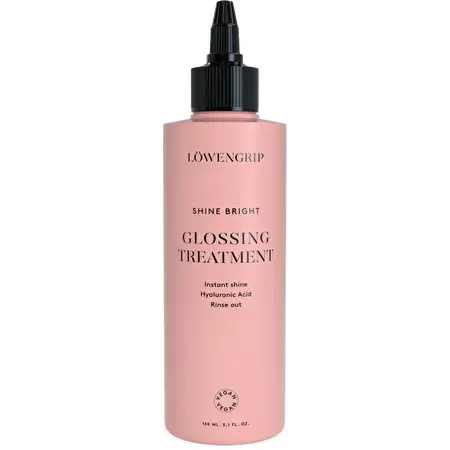
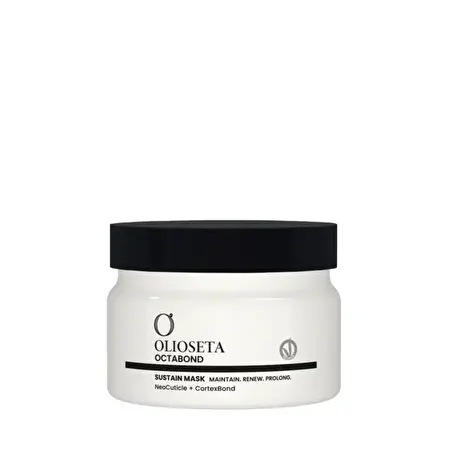
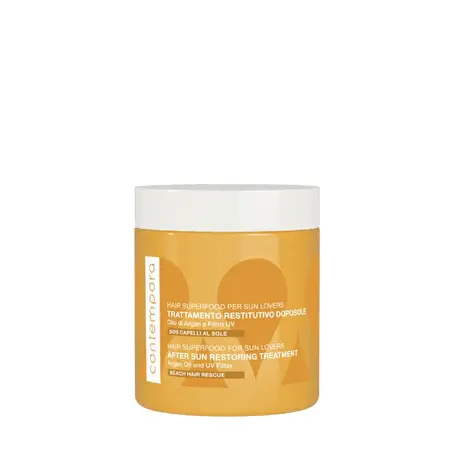
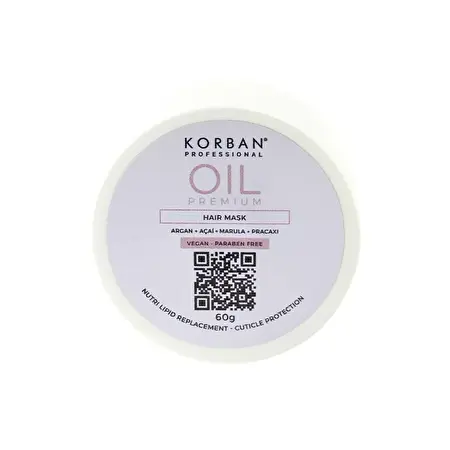
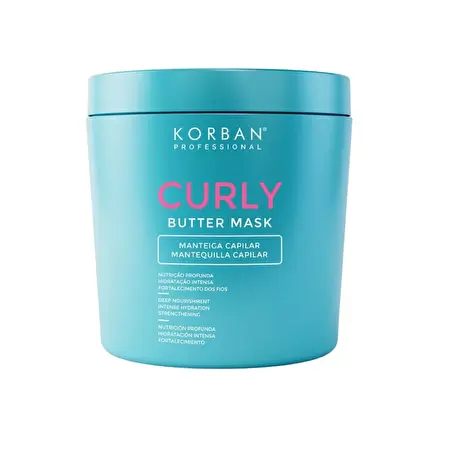
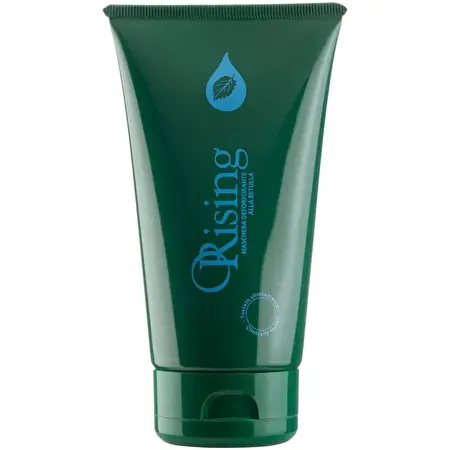
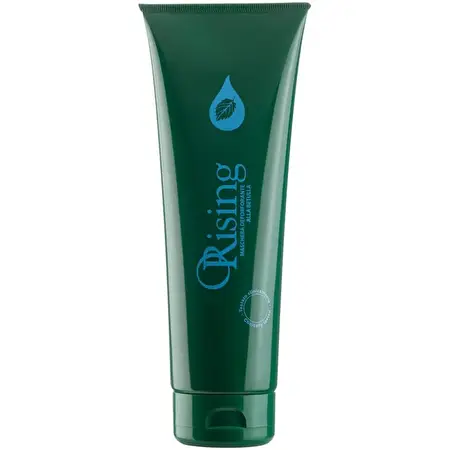
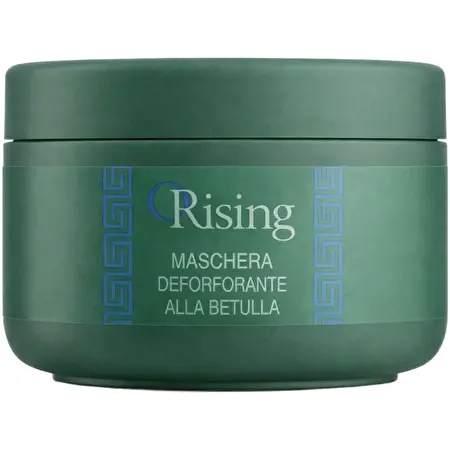
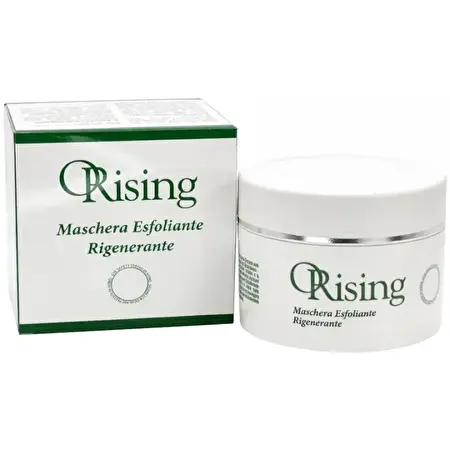
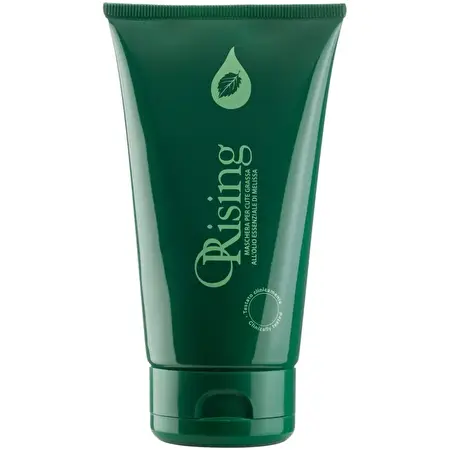
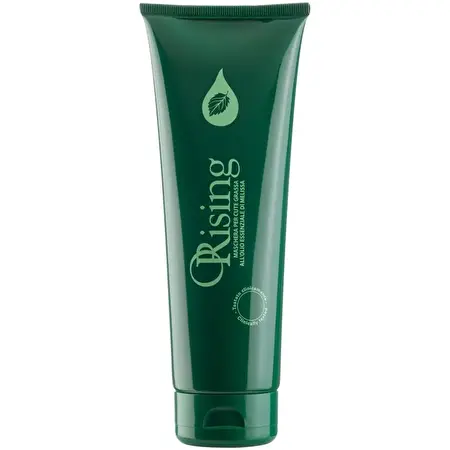
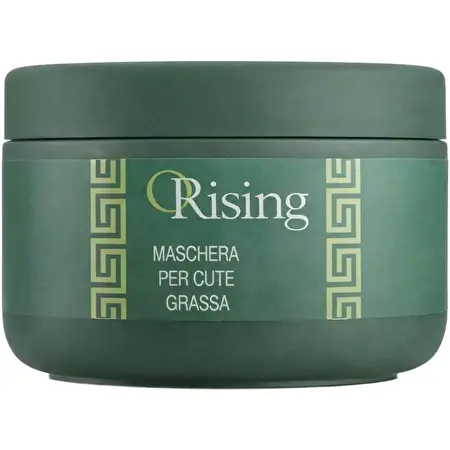
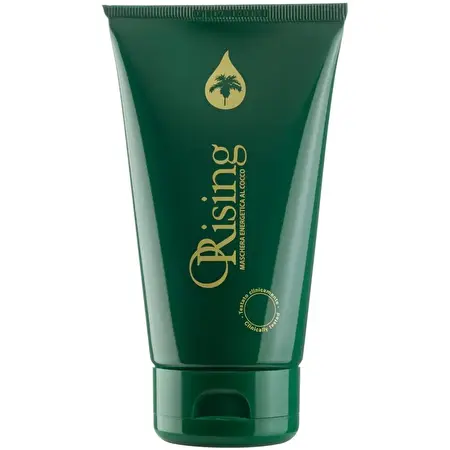
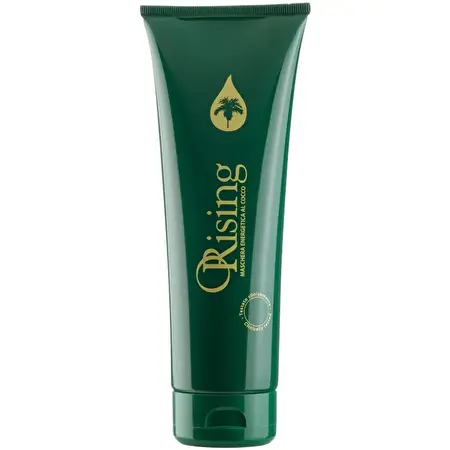
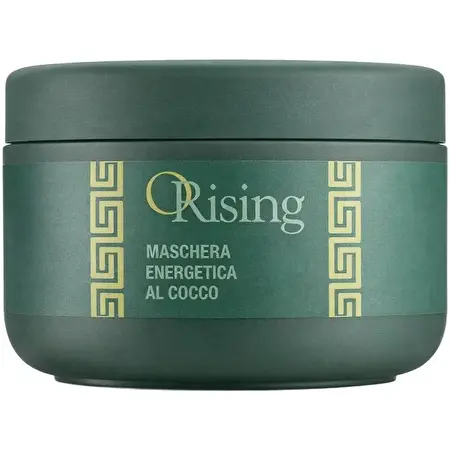
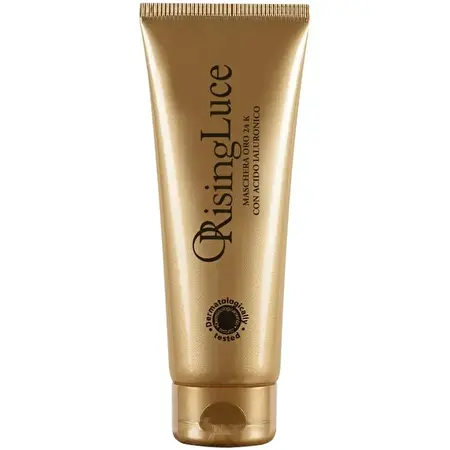
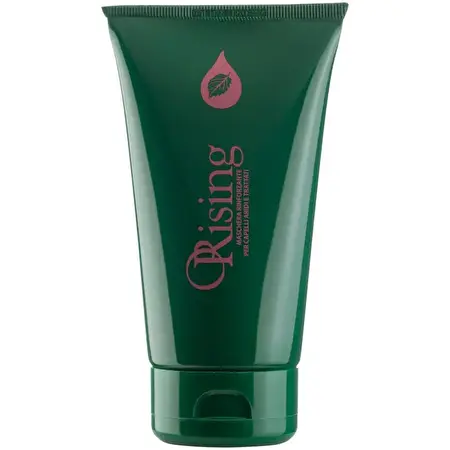
Hair masks for everyday beauty and fast repair
When you want more than just a “decent” hairstyle-real softness, shine, and less breakage-shampoo and conditioner alone are often not enough. Hair masks work deeper: they help replenish moisture, smooth the surface, reduce frizz, and deliver a more “salon-like” result at home. Conditioner is more often meant for instant slip and easier detangling, while a mask is designed to address a specific concern. A well-chosen formula can help after coloring, heat styling, and whenever hair looks like it has lost its vitality.
How to choose a hair mask by hair type and concern
If your hair is dry, rough, or prone to frizz, the first choice is a moisturizing hair mask with humectants and smoothing emollients to make hair more elastic and less “puffy.” After heat, straightening, or intensive brushing, a repairing hair mask is especially useful-particularly when you want a stronger, more cohesive feel and less breakage. If you need a targeted solution, a hair mask for damaged hair often contains proteins and lipid-replenishing components, but it’s worth adjusting use based on hair porosity: high-porosity hair typically “absorbs” more, while low-porosity hair can be weighed down more quickly. For those who love coloring, a hair mask for color-treated hair is an excellent choice-it helps maintain color vibrancy and smoothness, especially when it uses gentler, color-protecting ingredients. For curls, look for a formula that defines without stiffening-hair masks for curly hair often offer more hydration and an anti-frizz effect. If your scalp becomes oily quickly, is sensitive, or feels tight, it’s better to choose a hair mask for a problem scalp that focuses on comfort, not just cosmetic shine.
Types of hair masks: rinse-out, leave-in, and intensive treatments
Classic rinse-out hair masks are usually left on for 5–10 minutes and are a versatile choice when you want faster repair than a conditioner can provide. They work well after shampooing, when hair starts to feel “squeaky” or becomes harder to detangle, and the result is often visible right away-more smoothness, less roughness, easier styling. For those in a rush, fast 1–3 minute masks are helpful: they won’t rescue severely damaged hair in one go, but they’re excellent for everyday use to reduce the feeling of dryness and help control frizz. If you want longer-lasting protection between washes, it’s worth having a leave-in hair mask-a cream, milk, or serum that protects against dehydration, makes detangling easier, and can be a great helper before blow-drying. Intensive “repair” treatments are most often found as professional hair masks: they are more concentrated, sometimes require stricter timing, and are best used as an SOS when hair feels weakened after coloring or heat. It’s a good idea to pair such products with simpler everyday care to avoid heaviness or an “over-nourished” effect.
What to know about ingredients: hydration, repair, color protection
The best results usually come from balance: moisture + smoothness + structural support. For hydration, humectants are important because they attract water, while emollients “lock in” softness and help hair look smoother. When hair has lost strength, proteins help: keratin can temporarily reinforce the feel and reduce roughness, and collagen often adds elasticity and the impression of fuller hair. Hydrolyzed silk is valued for a soft, slip-like surface effect and shine, especially when hair tends to tangle. For color protection, antioxidants and gentler, less drying formulas are beneficial, since overly aggressive cleansing washes out tone faster. For the scalp, comfort and scalp pH matter: when it’s balanced, tightness decreases and hair at the roots looks neater. If you’re choosing products for the scalp, look for soothing components and very gentle exfoliation, but for fine hair it’s better to avoid very heavy, oil-rich textures that can quickly “flatten” volume.
How to use a hair mask correctly (steps, frequency, mistakes)
Proper use often matters more than the price or a well-known name, because even an excellent product may not perform if applied incorrectly. After shampooing, squeeze out excess water with a towel-on dripping wet hair, the mask more often simply “slides off” and works less effectively. Apply through the lengths and ends, gently detangle with your fingers or a comb to distribute evenly, and leave it on for as long as indicated on the packaging. Before rinsing, it’s worth briefly emulsifying with a little water so the texture rinses out more easily and hair doesn’t feel weighed down. If you’re using hair masks for a problem scalp, apply them specifically to the scalp as instructed, rather than “out of habit” through all the hair, because the goal is often comfort, not a heavier feel.
- Frequency: usually 1×/week; for damaged hair or after coloring-2×/week; lighter formulas can be used more often if hair doesn’t get weighed down.
- Most common mistakes: using too much, leaving it on for too short or too long, not considering hair porosity, insufficient rinsing, products that are too heavy for fine hair.
If the next-day result looks oilier or volume disappears, reduce the amount or choose a lighter texture. If hair feels harder and drier, it may be too much protein-then a more moisturizing formula will help. Use leave-in products sparingly: start with a small amount, distribute through the hair, and add more only if needed. This makes it easier to achieve smoothness without weighing hair down.
FAQ: the most common questions about hair masks
Can a hair mask replace conditioner?
For some hair types, yes-especially if the mask is lightweight and designed for more frequent use. Still, conditioner is convenient for everyday slip, while a mask is more often intended for a more intensive effect, so for most people a combination works best.
What sets professional hair masks apart?
They often have more concentrated formulas and a more noticeable effect after a few uses. With these products, it’s especially important to follow the recommended timing and choose according to your needs to avoid heaviness.
Can you use a mask every day?
Only lightweight, quick masks or a leave-in hair mask used in small amounts are suitable for daily use. More intensive repairing products are better reserved for 1–2 times per week, watching how your hair responds.
Can a mask be applied to the scalp?
Only if it is intended for that. Hair masks for a problem scalp are usually focused on soothing and balance, so they can be suitable, while regular, richer masks can sometimes weigh hair down and encourage faster oiliness.
What should you choose for color-treated hair?
A hair mask for color-treated hair helps maintain smoothness and color richness, especially if hair became drier after coloring. A good choice is a gentler formula with hydration and surface smoothing.
Which is better: leave-in or rinse-out?
Rinse-out products more often provide a more intensive “softness” effect after washing, while leave-in products are more for protection and control between washes. Often it’s best to have both: one for treatments, the other for everyday convenience.
How do you know a mask doesn’t suit you?
If hair gets oily quickly, loses volume, looks sticky, or, on the contrary, becomes rough and stiff, the formula may be too heavy or too “protein-heavy.” In that case, it’s worth changing the texture, reducing the amount, or choosing a different direction: more hydration or more smoothing.
Choose according to your needs and feel the difference from the first use
Well-chosen hair masks make it easy to quickly control dryness, restore smoothness, boost shine, and help hair look neater every day. When you need both moisture and strength at the same time, it’s worth having a few products for different situations: a lighter one for everyday use and a more intensive one for SOS moments. For convenience, use filters by hair type, concern, or desired effect, and if you’re unsure-start with a more universal moisturizing formula and observe how your hair’s porosity responds. Discover your favorite and add to your routine a product that truly changes how your hair feels.