Concealing products
Concealers are makeup products that help precisely cover dark under-eye circles, redness, or imperfections and create a more even, natural-looking complexion. In this category, you will find a variety of textures and coverage options for everyday and special-occasion makeup: from lightweight liquid concealers to creamy formulas, pencils, and color correctors.
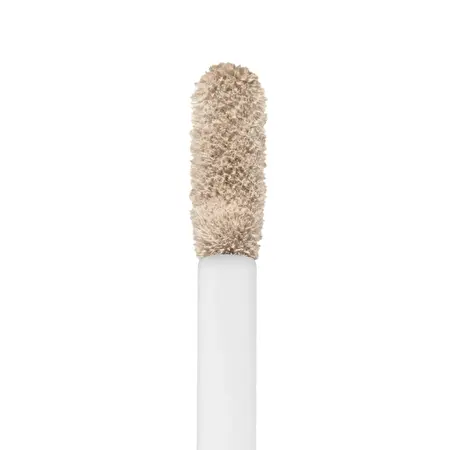
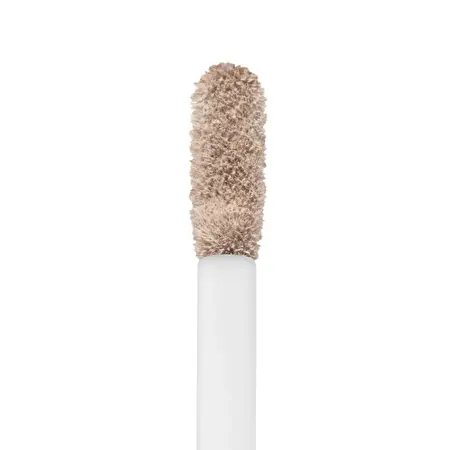
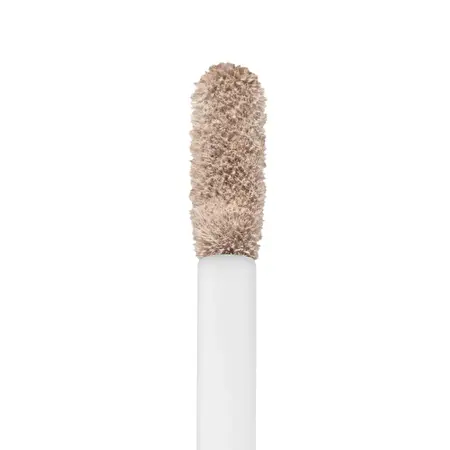
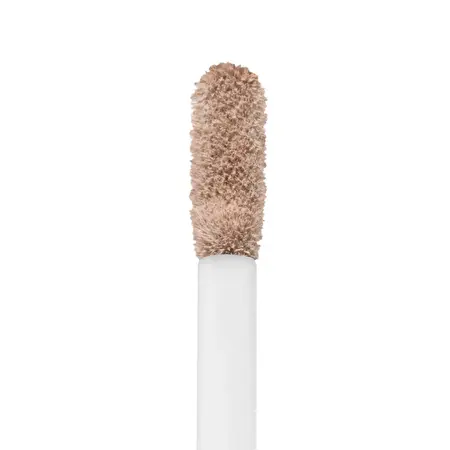
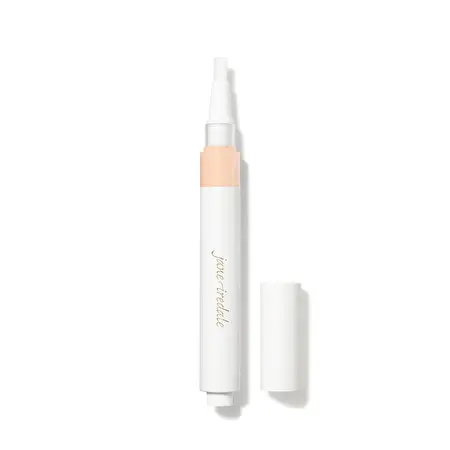
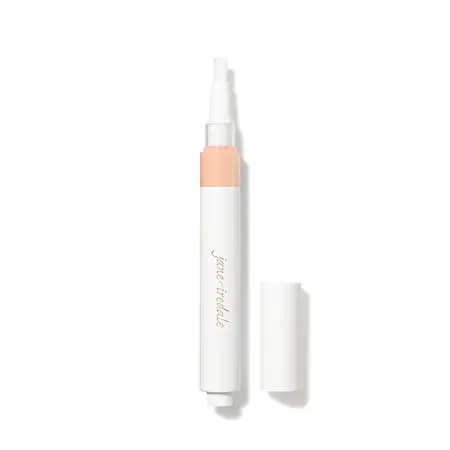
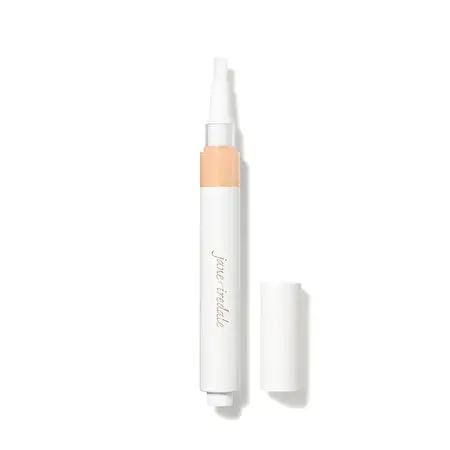
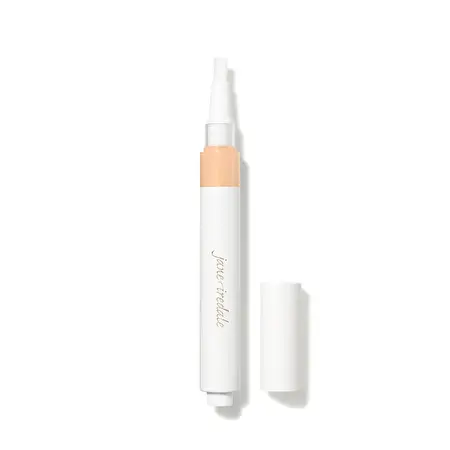
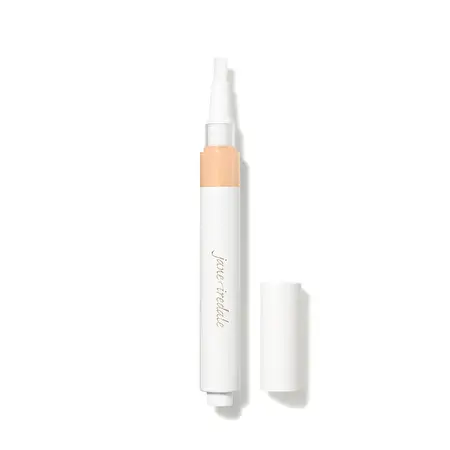
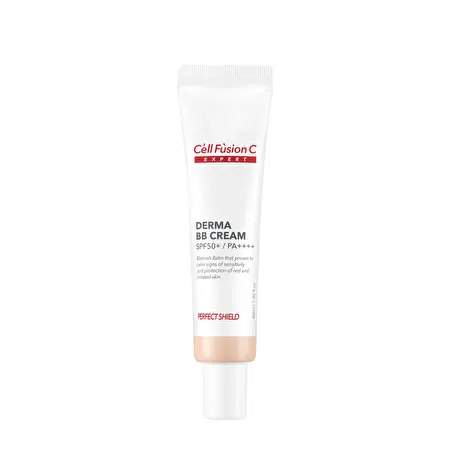


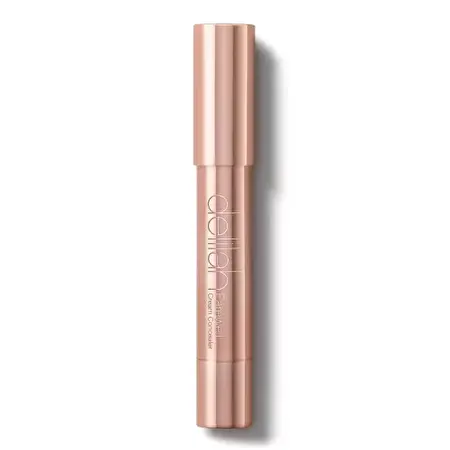


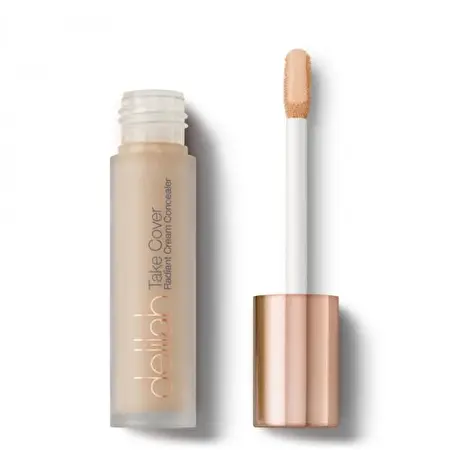
Concealing products for everyday and special-occasion makeup
A quick, fresh, and even-looking complexion often starts with precise concealing. Properly selected concealing products help subtly hide dark under-eye circles, redness around the nose, individual blemishes, or more pronounced pigmentation spots, while keeping the skin looking natural. Some situations call for a light touch, others for fuller coverage that lasts from morning to night. In this category, you’ll find solutions for different areas: from light under-eye concealing to spot correction and color neutralization. Easily combinable textures, shades, and wear time let you create a result that looks like “great skin,” not a thick layer of makeup.
How to choose a concealer based on skin type and needs
When choosing a concealer, it’s worth answering two questions first: what is your skin like, and what exactly do you want to hide? For dry skin, hydrating, flexible formulas are usually best, and when choosing between creamy and liquid textures, the decision often leans toward a softer, more “moving” consistency that won’t feel tight. For oily or combination skin, lighter, matte, long-wearing formulas are more convenient-there’s less risk the product will slide off the T-zone or emphasize pores. For sensitive skin, it’s important to choose gentler, non-irritating, easily buildable products so you don’t have to rub the skin. If you need to correct multiple areas, having both a face concealer and a spot solution can be helpful.
- Concealing products for blemishes: choose a higher-coverage, targeted product (a pencil or a thicker cream) so the coverage stays in place.
- Concealing products for redness: a green corrector + a thin layer in your skin tone often works best, so the redness doesn’t show through the makeup.
- Concealing products for pigmentation spots: medium-to-full coverage, careful shade selection, and setting will help prevent the spot from reappearing throughout the day.
- For dullness or a tired tone: choose light-reflecting particles and a warmer shade to make the face look more vibrant.
Under-eye concealer: how to choose so it doesn’t feel heavy or crease
Under-eye concealer has a challenging task: to hide shadows without weighing down thin, mobile skin. Shade selection is especially important here: if the goal is brightening, a shade 0.5–1 tone lighter often works, but going too light can emphasize texture or create a gray cast in photos. If under-eyes are bluish or brownish, a lighter shade alone may not be enough-it’s better to neutralize the color first and only then apply a skin-tone concealer. The texture should be thin and flexible so the product works with the skin and doesn’t settle into fine lines. Coverage (light/medium/full) usually works best as medium and buildable: apply less, and if needed, add only to the darkest area.
To keep the under-eye area from looking dry, prep matters: apply a light eye cream, wait a few dozen seconds, and only then apply concealer. It’s best to concentrate the product at the inner corner of the eye and where the shadow is strongest, then blend the edges out to an almost invisible transition. If the skin is more mature, avoid too much powder and choose a softly radiant, not overly matte formula. For dark circles, a peach or yellow corrector often works well, topped with a thin layer in your skin tone so the result looks natural and not “painted on.”
Color correction: when to choose a green, peach, or yellow corrector
Color correction works simply: you neutralize with the opposite color, then even everything out with a skin-tone shade. A color corrector (green/yellow/peach) is especially useful when a regular concealer alone doesn’t help, because the issue shows through the base. Green corrector is for redness: around blemishes, areas of visible capillaries, and the sides of the nose. Peach (and for deeper skin tones-closer to orange) best neutralizes bluish under-eye tones that often create a tired look even after a good night’s sleep. Yellow corrector helps reduce purplish tones and dull grayness, so it can be suitable when the under-eye area or certain parts of the face look “ashy.”
The most important rule is to apply the corrector in a very thin layer only where needed-otherwise the color will start showing through the makeup. Apply a small dot, blend out the edges while keeping the pigment in the center, and only then apply a skin-tone concealer. If you choose a concealer palette, it’s convenient to mix a few tones and create a blend that matches your redness or under-eye undertone precisely. Color correction looks especially beautiful in daylight, because instead of heavy coverage you get a more sheer but more effective result. When you want makeup that “doesn’t look like makeup” and simply improves the appearance of the skin, this step makes a real difference.
Textures and coverage: liquid, cream, pencil, or palette?
For everyday wear, concealing products with a liquid texture are most often chosen: they blend easily, melt beautifully into the base, and allow you to control coverage. Liquid concealer is suitable when you want a natural look, quick application, and buildability without a “mask” effect-especially in the under-eye area. Cream formulas usually provide more coverage and “catch” more pronounced spots better, so they’re often chosen as a reliable option for pigmentation or long-wearing makeup. If you want precise spot concealing, a concealer pencil is convenient: it allows you to cover a blemish or a small mark precisely, and the edges can be softly blended with a finger or a small brush. A palette is handy when you want multiple shades in one place and flexibility, for example for photo shoots or different areas of the face.
- Everyday: a liquid, easily buildable product with a natural finish and medium coverage.
- For a photo shoot or evening: a cream product or a palette with fuller coverage and reliable setting.
- For mature skin: a flexible texture, a less dry-matte finish, minimal amount, and precise placement.
- For spot concealing: a pencil or a thicker cream so the product doesn’t “spread” around the blemish.
When choosing, remember that coverage (light/medium/full) should match not only the concern but also your makeup habits. When you want a quick result, it’s better to have one reliable everyday product and an additional one for more precise concealing than to try to solve everything in one layer. This way, the skin looks smoother and the makeup stays light.
How to apply and set concealing products correctly (so they last all day)
For concealing products to wear beautifully, start with skin prep: hydration reduces flaking, and the right cream or primer helps the product distribute more evenly. When applying, a simple rule applies-less is more: apply a small amount, blend with a sponge, brush, or fingers, and only then build where the concern is still visible. For the under-eye area, a sponge or a small brush is more convenient, as they help keep the layer thin and allow you to “press” the product in precisely. For a blemish or spot, it’s better to apply the product locally and blend out the edges, leaving the center more covered. If you neutralize the color with a corrector first, you’ll need less concealer afterward, so the makeup will look more natural.
Setting depends on the area: in the T-zone and where the skin is oilier, lightly sweep on loose powder, while under the eyes use a minimal amount so fine lines aren’t emphasized. For longer wear, a setting spray is useful, especially when the day is long or you’ll be in a warmer environment. For touch-ups throughout the day, an oil-absorbing blotting sheet and a small dot of product only where it has worn off is often enough, rather than applying a new layer everywhere. If the product starts to settle into lines, gently blend it with the pad of your finger and only then set very lightly again. This keeps a neat, fresh look without heaviness.
Shade selection also affects how long the makeup will look good: a shade that’s too light can start to stand out, and one that’s too dark can look “separate” from the face. If you’re unsure, choose the closest match to your skin tone and do the correction with a color corrector rather than only brightening. This combination often looks more refined and natural.
When you want a reliable result, the best approach is a duo: the right texture + precise setting. Then even fuller coverage stays aesthetic, and the skin still looks alive.
Choose what truly “works” for your skin
The best concealing products are the ones that solve a specific concern while remaining imperceptible. Some need a light liquid concealer for everyday wear, others-a spot pencil for blemishes, and for under-eyes a flexible formula and the right color correction often make all the difference. When choosing, consider your skin type, desired coverage, texture, and shade, and if you have several different areas-combine products. Use the convenient filters by shade, coverage, and purpose (under-eyes, face, redness, spots) and choose a solution that keeps your makeup looking neat from morning to night.