Makeup bases
Foundations are products that help even out skin tone, reduce redness and imperfections, and provide a natural, comfortable makeup finish all day long. In this category, you will find a wide range of foundations by texture, shade, finish, and skin type-from a lightweight “skin-like” effect to more full coverage.
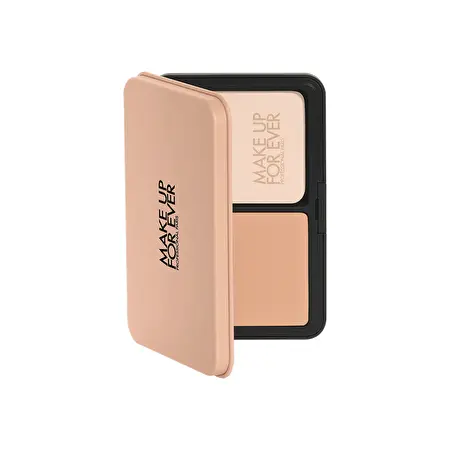
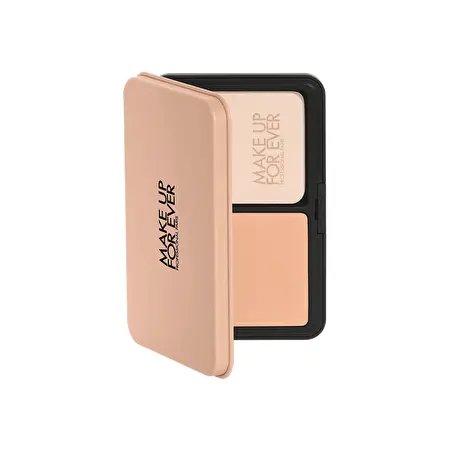
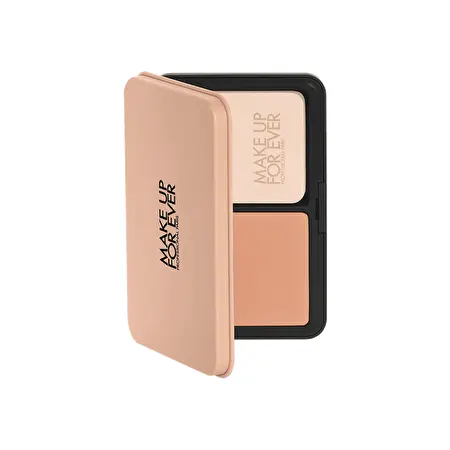
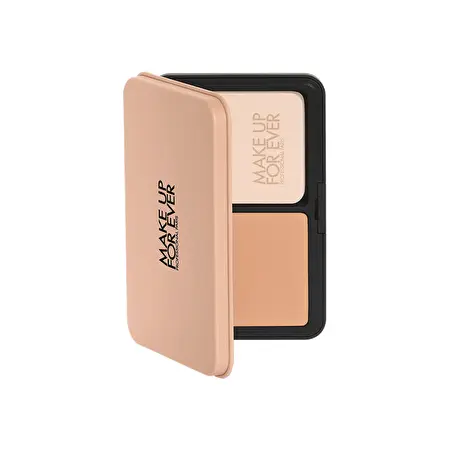
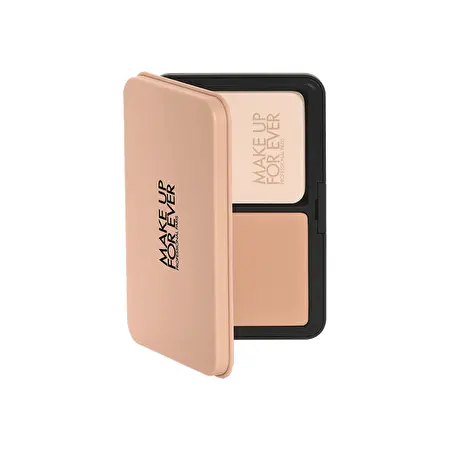
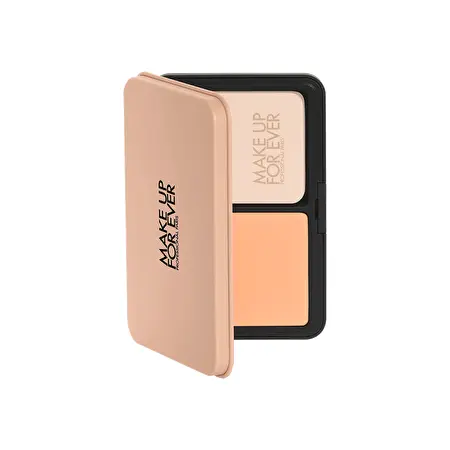
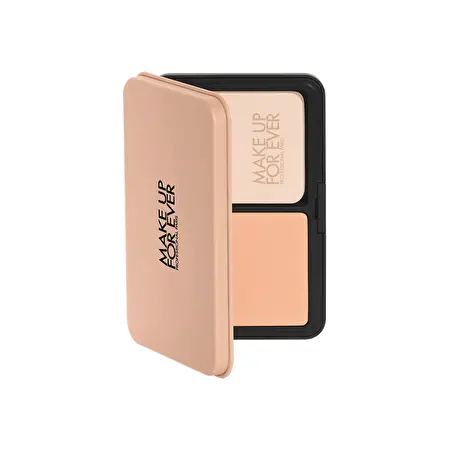
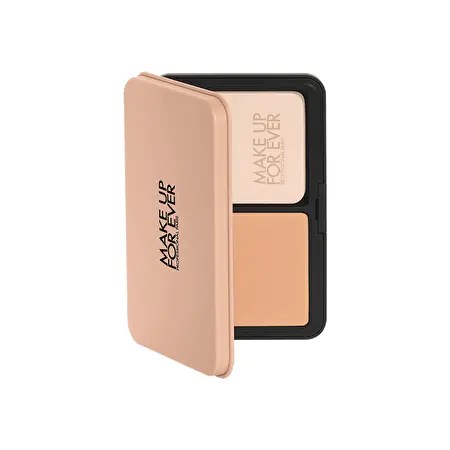
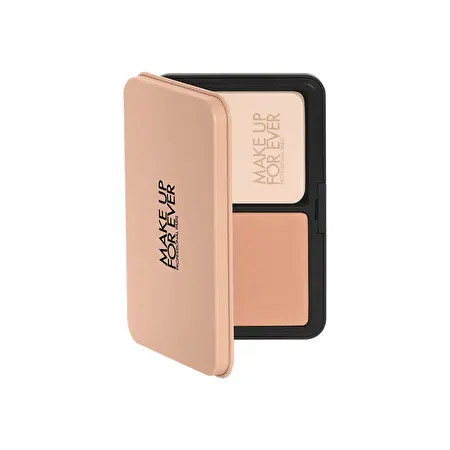
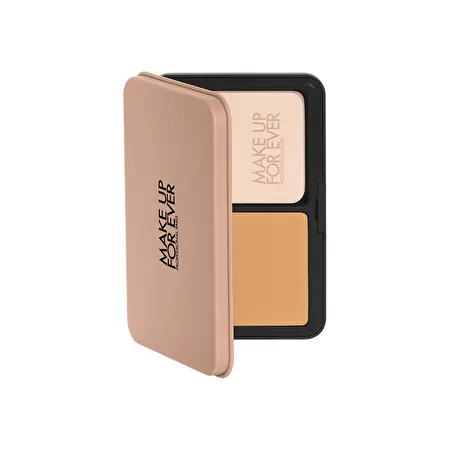
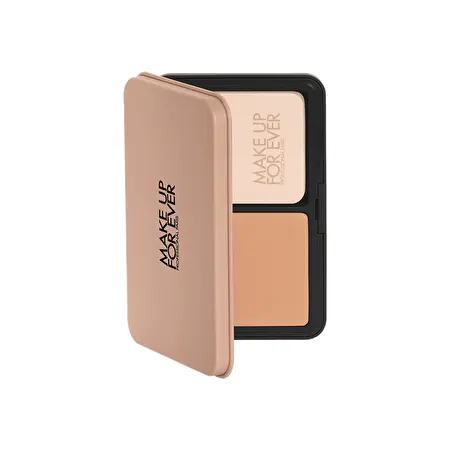
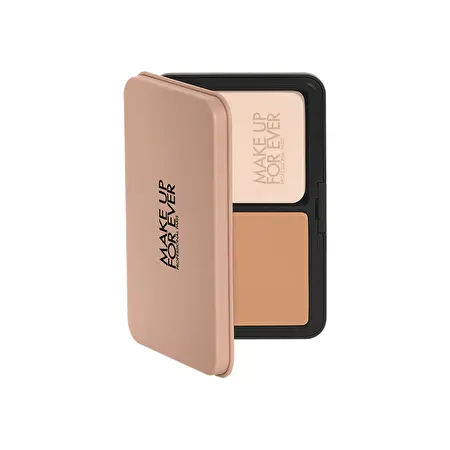
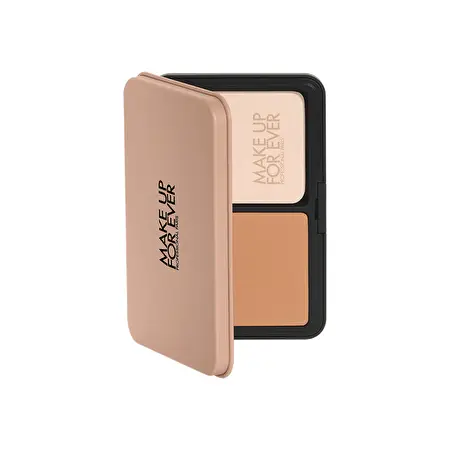

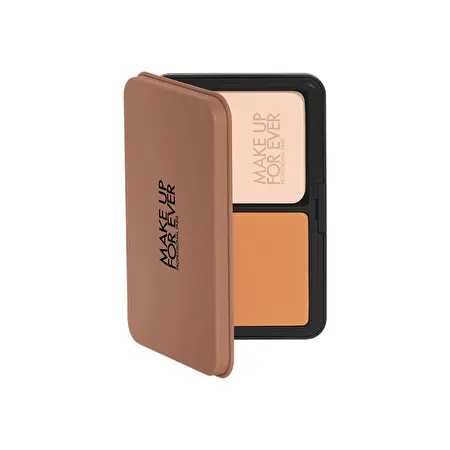
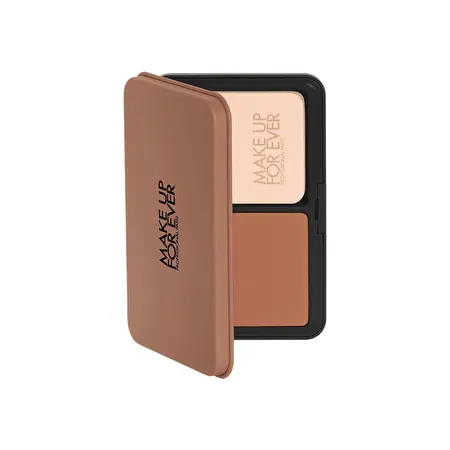


Makeup Foundations: More Even Skin, More Confidence, and an Effortless Everyday Result
A flawless-looking complexion doesn’t necessarily mean a heavy layer on the skin. Properly chosen makeup foundations help even out tone, visually reduce redness, pigmentation spots, or minor unevenness, and create the desired effect-from “your skin but better” to stronger coverage. For many, the most important thing is that the result looks natural and the skin feels comfortable all day, especially when you want long-lasting makeup without constant touch-ups. In this category, it’s easy to choose by texture, shade, finish, and skin type so you can find the solution that’s right for you.
How to Choose a Foundation by Skin Type
Different skin needs determine how a product should perform: whether it should hydrate, mattify, or be максимально gentle. If your skin tends to be dry, a foundation for dry skin is usually a hydrating, flexible texture with a glow or a natural finish, so it doesn’t emphasize flakiness. Preparation is especially important for dry skin: apply moisturizer, let it absorb, then apply in thin layers and build coverage only where needed. For oily or combination skin, lighter, non-comedogenic formulas with a semi-matte or matte effect work best-they help control shine without looking like a “mask.” For sensitive skin, it’s helpful to choose products without strong fragrances and with the simplest possible formula, and to test a new product first on a small area of skin. When a foundation for mature skin is the priority, it’s worth looking for products that don’t “settle” into fine lines: lighter, skin-hugging textures, a soft glow, and comfort often look more youthful. When searching for what could be the best cream foundation for mature skin, consider hydration, medium coverage, flexibility, and whether the skin still looks smooth even at the end of the day.
Types of Foundations: Liquid Foundation, Cream Foundation, and Other Textures
Liquid foundation is one of the most versatile choices because it layers easily and lets you control coverage from light to fuller. For everyday wear, light or medium coverage is often the most convenient, so the skin stays lively and imperfections can be concealed locally. Cream textures provide more comfort and often “meld” better with the skin, which is why they’re especially loved when you want a plumper, smoother look. Cream foundation can be a great solution for dry or mature skin, but for oily skin it can sometimes feel too heavy, especially in hot weather-so it’s worth applying a thinner layer or choosing a lighter formula. It’s important to distinguish that face powder (loose or pressed) is most often used to set makeup, reduce shine, or lightly add coverage, but it doesn’t always replace a base product. When you want makeup foundations to look natural, the “less is more” principle often wins: thin layers, precise blending, and setting only where it’s necessary. It’s also convenient to have different products for different occasions: a lighter one for daytime and a more covering one for evening or a photoshoot.
Choosing Shade and Finish: Natural, Matte, or Radiant
The perfect shade starts with undertone: cool, warm, or neutral. It’s best to test color along the jawline in natural light, because on the hand it often looks misleading. It’s also worth remembering seasonality: in summer the skin may deepen, and in winter it may lighten, so sometimes it’s convenient to have two close shades and mix them. The finish strongly changes the overall impression: matte is suitable when you want less shine and a more polished look, while radiant is ideal when you want a fresher, “rested” skin effect. If you want the product to look like your skin, a natural finish and medium coverage often work best, which you can enhance only in problem areas when needed. Many people search for the phrase best foundation, but the most practical approach is to evaluate the criteria that match your daily routine.
- Skin type and comfort: whether it feels tight or heavy.
- Wear: whether it wears красиво throughout the day or “breaks apart.”
- Finish: matte, radiant, or natural.
- SPF protection for daytime, if you want extra everyday safety.
- Oxidation: whether the shade darkens after a few hours.
When these points align, makeup foundations become not a compromise, but a pleasant, reliable everyday choice.
How to Properly Use Primer and Foundation
A beautiful result starts before foundation: clean skin, moisturizer, and daytime sun protection. Even a very high-quality product can look worse if the skin is dehydrated, so it’s worth giving your moisturizer a few minutes to absorb. Makeup primer is useful when you want a smoother texture, better adherence, less visible pores, or greater resistance throughout the day; it’s important that the primer and foundation are compatible (e.g., both water-based or silicone-based). The application method also changes the coverage: fingers make it easy to press the product in for a more natural effect, a sponge creates a thinner, more even layer, and makeup brushes allow quick, precise blending-especially when you want more coverage. Layering should be moderate: start with a small amount and add only where needed, not across the entire face. If you set, use face powder only on the T-zone or areas that tend to get shiny, so you don’t over-dry the cheeks. This creates a comfortable, lightweight feel and a polished look from morning to evening.
Most Common Mistakes When Choosing and Applying Face Powder
The most common mistake is the wrong shade or undertone: a foundation that’s too light washes you out, one that’s too dark looks unnatural, and the wrong undertone can create a gray cast or an orange tint. The second mistake is using too much product-when trying to hide imperfections, applying too thick a layer makes the skin lose its natural look; often it’s better to choose a more precise concealer and a lighter foundation. It also happens that an overly dry matte product is chosen when what’s really needed is a foundation for dry skin or a more flexible formula, especially if flakiness is visible. For mature skin, a layer that’s too heavy and dry can emphasize texture even more, so a foundation for mature skin most often wins with its comfort and soft glow. One invisible but important mistake is incompatible layers: if the makeup base and foundation have different bases, the product can “ball up” or start pilling. Finally, too many setting products can emphasize dryness, while too few can shorten wear time-so it’s worth setting intelligently, according to your needs and your skin’s condition that day.
- Test the shade along the jawline, not on the wrist.
- Start with a thin layer and build only locally.
- Set only the zones that truly get shiny.
Choose Conveniently: Filter by Your Needs and Create Your Perfect Base
When you want a quick, beautiful result, the right choice and a few simple habits make a big difference. makeup foundations can be very different: from a lightweight, everyday liquid foundation to a more comfortable, higher-coverage cream texture, and the final look depends on the shade, finish, and how the product works with your skin. It’s convenient to use filters by skin type, coverage level, finish, and additional features such as SPF protection. It’s also worth adding related items to your cart: a makeup base for longer wear, face powder for setting, and makeup brushes for more even application. Check current promotions, choose the most convenient delivery option, and find the one that looks like “your skin,” just even better, every day.