Cosmetics by skin concern
Skincare by skin concern consists of purposefully selected products that help address specific signals from the skin-such as shine, redness, tightness, or blemishes-making your routine more effective and less dependent on guesswork. Here you will find a wide selection for acne and oily skin, sensitivity and rosacea, pigmentation, dryness or dehydration, so you can easily put together a cleanser, serum, cream, and SPF.


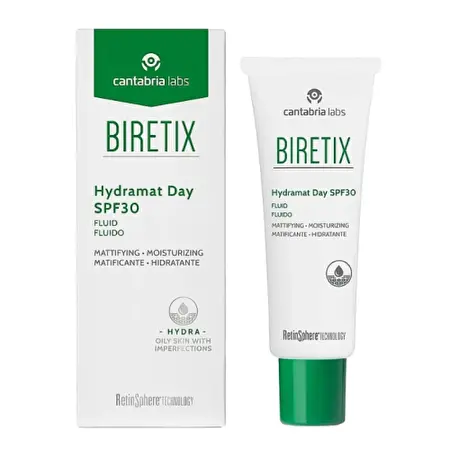
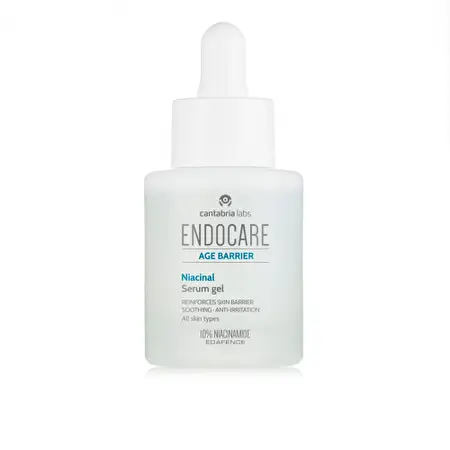



Skincare by Skin Concern: When Your Routine Finally Starts Working
When your skin sends signals-gets shiny, turns red, feels tight, or leaves darker spots-random products often throw it further off balance. That’s why Skincare by Skin Concern helps you choose with purpose: less guesswork, a clearer direction, and an easier-to-build facial care routine. Carefully selected products by skin concern help you see change faster because they target specific mechanisms: inflammation, excess sebum, barrier damage, or UV-induced pigmentation. It’s also convenient that in the online store you can filter by need, product type, texture, or the composition of active ingredients in cosmetics, and then put together a few steps that truly work well together.
How to choose skincare by skin concern?
A skin concern is not the same as a skin type: the same skin can be combination yet dehydrated, and oilier skin is often sensitive, too. When choosing Skincare by Skin Concern, it’s worth pausing briefly to assess the signs: is there noticeable shine and blackheads during the day, do you feel tightness and flaking, is there recurring redness or burning, or are you seeing spots after sun exposure or breakouts. Then the solution becomes clearer: acne will more often require pore-clearing actives, sensitivity-soothing, and pigmentation-brightening and antioxidants. Daily layering is usually simple: cleanser, toner/essence (optional), face serum, cream, and in the morning-daily SPF protection. On the label, it’s worth checking whether the product is free from harsh fragrances, whether you tolerate alcohol, whether it’s labeled non-comedogenic, and whether the cleanser has a gentle pH. If your skin tends to react, choose dermatologically tested solutions and introduce new products one at a time; when shopping online, use filters by concern, product type, and active ingredients, read reviews, or consult an expert.
Products for acne, oily skin, and clogged pores
If you’re dealing with acne, blackheads, or constant shine, the key goal is to reduce inflammation, regulate sebum, gently exfoliate, and avoid over-drying. For this, skincare for problematic skin that supports balance works well: a gentle cleanser, a lightweight gel cream that won’t clog pores, and a few targeted actives. Acne products with salicylic acid (BHA) are often chosen because it helps clear pores, while niacinamide contributes to oil control and soothing. Azelaic acid is suitable for both breakouts and redness, zinc helps reduce inflammatory lesions, and retinoids at night promote skin renewal-though it’s best to introduce them gradually. In practice, a common mistake is overly harsh cleansers and too many actives at once, because then the skin barrier weakens and oiliness can even increase. If you use acids or retinoids, daily SPF protection becomes essential, as the skin reacts more sensitively to UV. A simple mini routine often works better: in the morning cleanser + niacinamide + lightweight cream + SPF, in the evening cleanser + BHA 2–3x/week alternating with a retinoid + cream.
Products for rosacea and sensitive skin: soothing and strengthening the barrier
If your skin flushes easily, stings, reacts to temperature changes or new products, the priority is to soothe and strengthen rather than “fight” aggressively. In that case, products for rosacea and products for sensitive skin that focus on skin barrier repair and reducing reactivity tend to work best. Choose an ultra-gentle cleanser without strong fragrances, a soothing serum, and a barrier-supporting cream, and in the morning-a mineral sunscreen or an SPF formulated for sensitive skin. Among actives, panthenol, allantoin, ceramides, squalane, beta-glucan, centella (CICA), as well as hyaluronic acid for moisture binding, are usually well tolerated. Azelaic acid is often suitable for rosacea symptoms too, but it’s best to start with a lower frequency and monitor your skin’s response. It’s worth avoiding hot water, vigorous rubbing, frequent scrubs, strong acids, and any products that cause a burning sensation. “Less is more” works best: introduce one new product at a time, do a patch test on a small area of skin, and keep a few stable routine steps until the skin becomes calmer.
Products for pigmentation and uneven skin tone
Dark spots after sun exposure, post-acne marks, or pigmentation due to hormonal changes often require patience and consistency, as the skin brightens gradually. Products for pigmentation work best when brightening, antioxidant protection, and a daily UV-prevention habit are combined. In the morning, antioxidants such as vitamin C are very suitable-they add radiance and help protect against environmental stress-while niacinamide supports tone-evening and barrier maintenance. In the evening, retinoids or gentle AHA acids (glycolic or lactic) are often chosen, though for more sensitive skin they may be too strong, so it’s better to start slowly and not overdo it. Tranexamic acid and azelaic acid are also valued for helping with uneven tone, especially if you want a gentler approach. The most important rule remains the same: daily SPF protection, because without it even the best serums will work more slowly and results will be short-lived. Visible changes typically become more apparent within 6–12 weeks, so it’s worth choosing one or two active products and sticking to a consistent rhythm. To make the choice easier,
Products for dry, dehydrated skin and skin radiance
Dry skin more often lacks lipids, so it becomes rough and flaky, while dehydrated skin lacks water, so it may feel tight even when the surface is slightly shiny. In such cases, products for dry skin and hydrating cosmetics for dehydrated skin help restore comfort, elasticity, and a healthy glow. Choose a gentle cleanser, a hydrating serum, a nourishing or barrier cream, and 1–2 times a week-a mask for extra comfort. Ingredients that often help include hyaluronic acid, glycerin, low-concentration urea, as well as ceramides, fatty acids, and squalane, which “lock in” moisture and help reduce tightness. If you want more radiance, the safest strategy is layering hydration and very gentle exfoliation only occasionally when the skin is stable, while antioxidants contribute to a fresher look. To avoid overdoing actives, follow a simple rule: comfort and barrier first, then additional goals. Skincare by Skin Concern is especially convenient here, because you can choose by texture-lighter for daytime and richer for nighttime-and by barrier-strengthening ingredients.
- Dehydrated: more humectants (hyaluronic acid, glycerin), gentle cleansing, “locking in” moisture with a cream.
- Dry: more lipids and barrier components (ceramides, squalane), fewer foaming cleansers, a comfortable texture.
Skincare by Skin Concern works best when you choose a few targeted products and give your skin time to adjust, rather than changing your entire routine every week. Whether you’re choosing acne products, products for rosacea, products for pigmentation, or solutions for dryness, results are strengthened by consistency, a gentle approach, and daily SPF. Browse the category, select product types-cleansers, face serum, creams, and SPF-and use filters by need and active ingredients. If you have doubts about compatibility or sensitivity, it’s worth relying on reviews and consulting before starting a more active routine. This way, Skincare by Skin Concern becomes not a promise, but a truly felt experience of everyday comfort and clearer-looking skin.
- Choose by concern and product type: cleanser, serum, cream, SPF.
- Introduce actives one at a time and monitor the reaction for 7–14 days.
- If you use acids or retinoids, SPF in the morning is an essential step.