Hair care
Hair care products are daily and targeted formulas that help cleanse, hydrate, strengthen, and protect hair so it stays elastic, shiny, and less prone to breakage. In this category you will find shampoos, conditioners, masks, serums, leave-in treatments, oils, and heat protection-choose according to dryness, damage, coloring, or an oilier scalp.
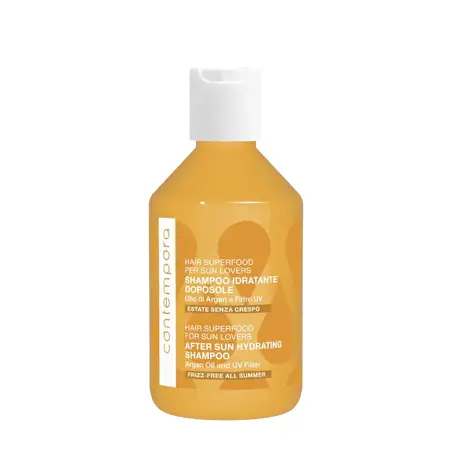
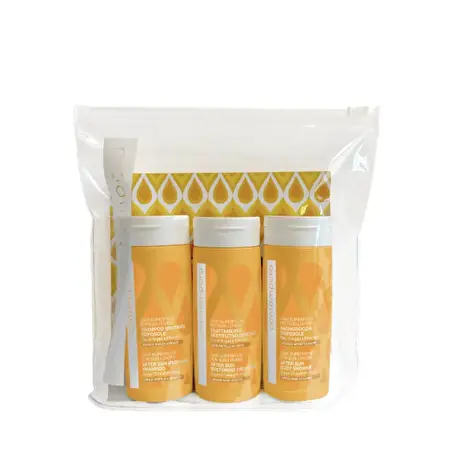
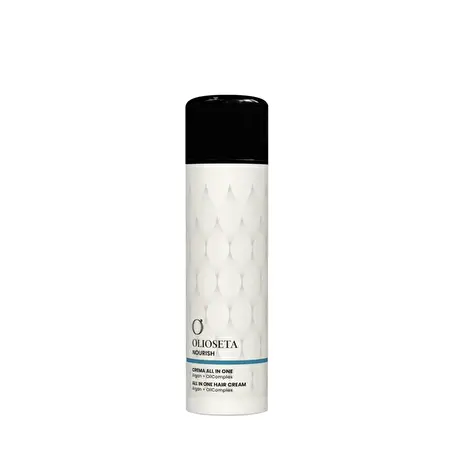
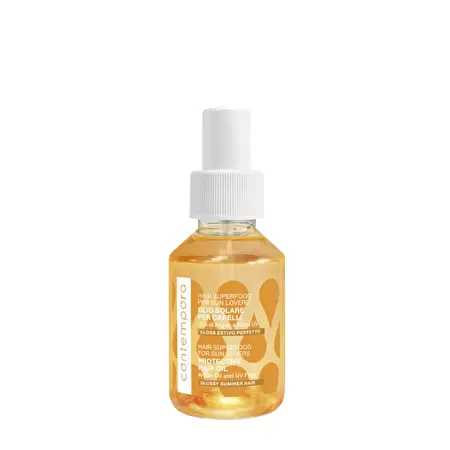
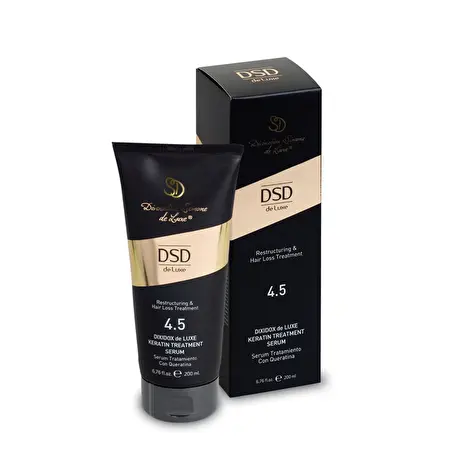
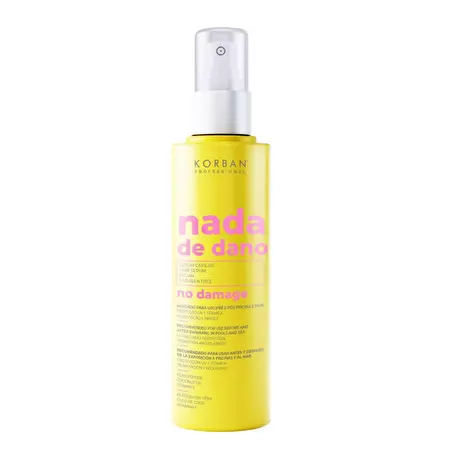
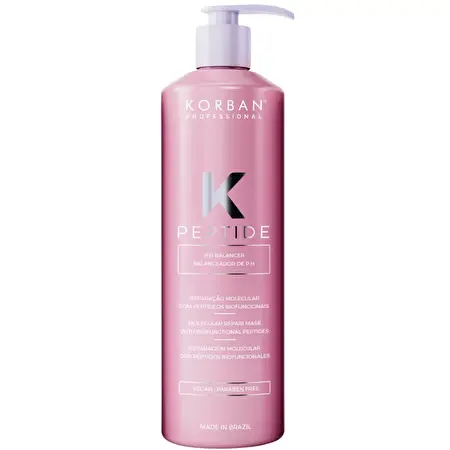
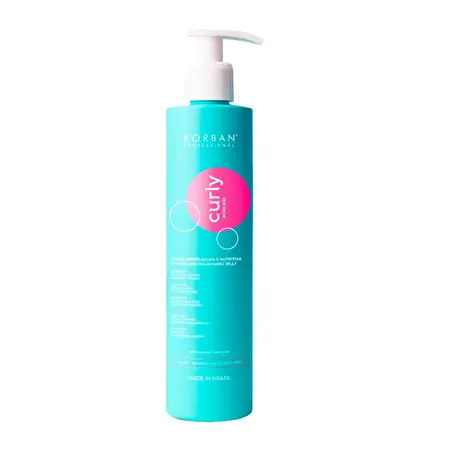
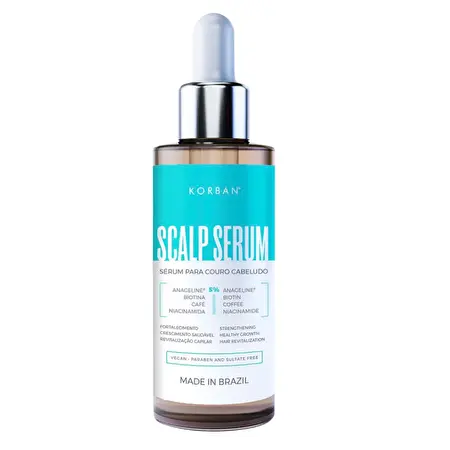
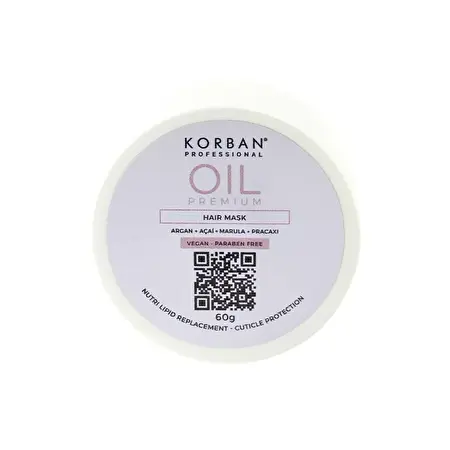
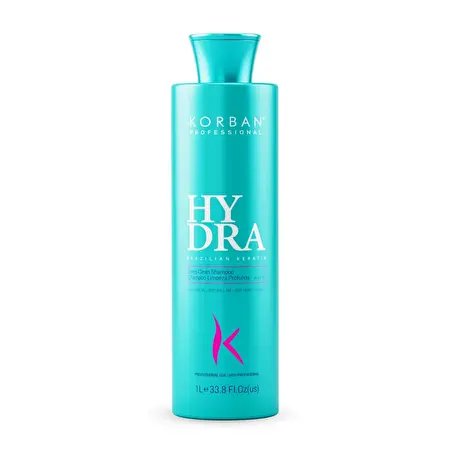
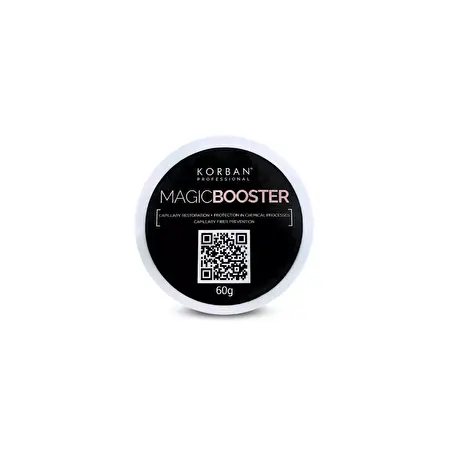
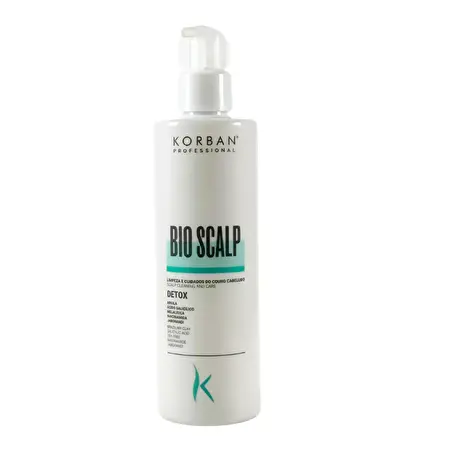
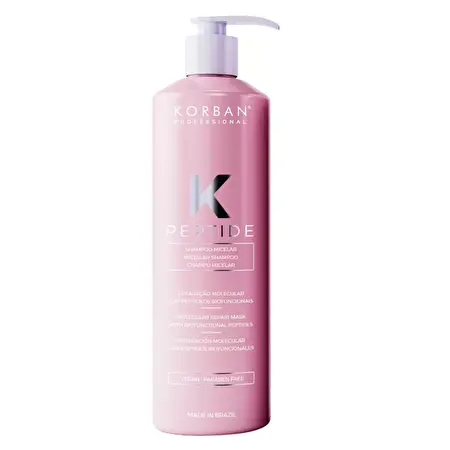
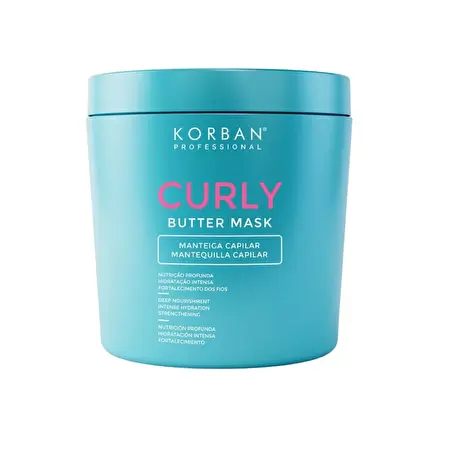
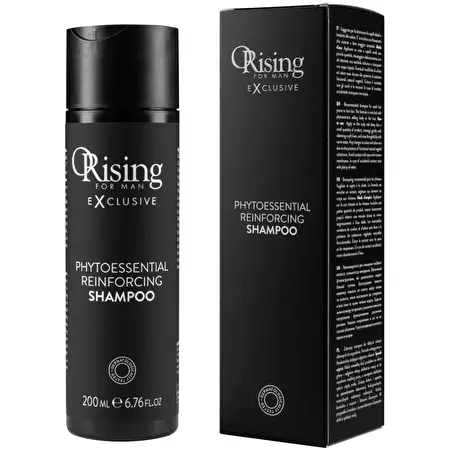
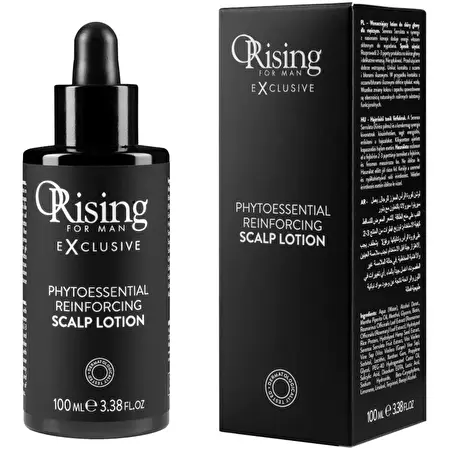
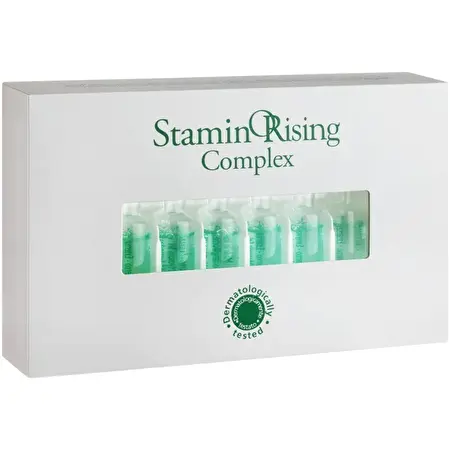
Hair care products: when results start with the right choice
Beautiful, elastic and shiny hair is usually not a matter of luck-it’s a combination of consistent hair care and properly selected products. Different needs require different solutions: for dry hair, hydration is key; for damaged hair-repair; for color-treated hair-color protection; and for an oily scalp-balance without weighing hair down. The hair care products in this category make it easy to choose by type, effect and usage habits, while convenient filters and a hair care set help you put together a daily routine more easily and ensure you don’t miss essential steps.
Hair care products by hair type and needs
If your hair is dry or damaged, look for products with lipids, ceramides, amino acids, keratin or “bond” type technologies-these hair care products help reduce breakage and restore smoothness. Fine hair is better suited to lightweight textures: leave-in sprays, spray conditioners, light serums, since heavy oils or thick masks can quickly weigh it down and make it cling to the roots. For an oily or quickly weighed-down scalp, gentle but effective cleansing matters: choose a balancing shampoo, avoid overly oily leave-in products near the roots, and apply them only through the lengths. Color-treated hair benefits from color-protecting lines with a gentler pH, UV filters and smoothing polymers, so the color stays vibrant longer. Curly hair needs moisture and elasticity, so it’s worth having a creamy conditioner, a hydrating hair mask and leave-in products that define the curl rather than “puff” it up. When your goal is the best hair care products for you, it helps to judge not the promises on the label, but how your hair feels after a few washes: does it detangle easily, is it less static, are the ends breaking less.
Daily routine: from shampoo to leave-in care
A consistent routine starts with the basics: shampoo and conditioner are the two products that most often determine how your hair will look day to day. Choose shampoo based on your scalp, and conditioner based on the condition of your hair, because it provides slip, reduces frizz and helps protect the hair from mechanical friction. A hair mask is usually needed 1–2 times per week: for finer hair, shorter processing time and a lighter formula work best, while damaged hair may benefit from a more intensive option-just stick to the recommended time so the product doesn’t weigh hair down. Leave-in products-sprays, creams, serums or hair oil-are ideal when you need extra smoothing, moisture or protection, but dosing is important: start with a pea-sized amount or 1–2 pumps and increase only if needed. Apply products from mid-lengths to ends, keeping the roots as lightweight as possible, especially if your hair tends to get oily. A handy mini shopping list to start: shampoo, conditioner, mask, a leave-in spray and heat protection-this way, hair care stays simple even when you don’t have much time.
Repair, hydration, color protection: how to choose targeted products
When hair feels rough, loses shine and tangles easily, it often lacks moisture, so it’s worth choosing conditioners, masks and leave-in products with humectants and emollient ingredients that help maintain elasticity. If hair breaks, stretches when wet, or feels “overprocessed” after coloring and heat, you need targeted repair: hair repair products with proteins, amino acids or “bond” solutions can help, but it’s important not to overdo it and to follow the recommended frequency. A hair repair procedure can also be done at home, especially when you choose clearly labeled steps (e.g., a pre-wash treatment + mask + leave-in serum), while in-salon options are more often chosen when damage is very pronounced or you need a faster visible effect. For color-treated hair, the biggest enemies are harsh cleansing, UV and heat, so color protection is supported by a gentler shampoo, a smoothing conditioner and heat protection before styling, so pigment doesn’t wash out as quickly. It’s convenient to use filters by effect: “hydration”, “repair”, “color protection”, “volume” or “scalp”, because then hair care products end up on your shelf not based on popularity, but based on your goal. When you want a fast solution, professional hair care products often offer more concentrated formulas, and the right combination can change how your hair feels after just a few washes.
Hair styling products and tools: how not to damage hair
Styling beautifully completes the look, but it’s important that hair styling products complement care rather than replace it. Mousse is usually best for volume and a light lift, cream-for smoothness and gentle control, gel-for more defined texture and curl hold, hairspray-for hairstyle stability, and hair clay-for a matte texture effect and shaping, especially for shorter hair. The biggest difference between great styling and damage is often heat protection: it’s worth using every time you blow-dry, straighten or style with curling/straightening irons, because it reduces breakage and helps maintain smoothness. Distribute protectant on damp or towel-dried hair, and before a flat iron you can apply an additional very light layer if the product is designed for that. Tools matter, too: gentle styling combs or a high-quality brush reduce pulling and friction, and for fine hair it’s worth choosing more widely spaced bristles so detangling is easy. If you’re looking for solutions for a salon-like routine, hair care products for professionals and professional hair care products are often developed to work well alongside styling products and not leave stickiness. Consistency also helps deliver reliable results: care first, then styling-not the other way around.
- For everyday: a lightweight shampoo, conditioner, a leave-in spray and heat protection.
- For stronger hold: mousse or cream + hairspray, and for texture-hair clay when you want a matte finish.
- For damaged hair: less heat, more hydration and repair, and choose lighter styling products.
When the question is which hair care products are the best, it’s worth assessing not only styling strength, but also how the product washes out and whether it weighs hair down. Even a good hairspray or gel can be too “heavy” if used in excess, so start with a smaller amount and build by layering. A quality routine lets you enjoy both a beautiful hairstyle and healthier-looking hair, and properly chosen styling products help maintain results without unnecessary stress on the hair. If you often use hot tools, heat protection should become as much of a habit as conditioner after washing. Over time, this kind of hair care pays back in time, because hair is easier to manage and less often needs “rescue” products.
Frequently asked questions: how to put together a hair care set
A set is convenient when you want a clear system and compatible formulas, which is why a hair care set often becomes an economical and simple solution. Realistically, 4–5 products are enough for everyday use, and an additional styling product is chosen based on habit and hairstyle. A hydrating set usually includes shampoo, conditioner, a hydrating mask, a leave-in cream or spray, and heat protection to keep hair elastic. A repairing set relies more on hair repair products: a gentle shampoo, a repairing conditioner, an intensive mask, a serum and heat protection, with an at-home hair repair procedure done once a week or as needed. A set for color-treated hair should include a color-protecting shampoo, a smoothing conditioner, a mask, a leave-in product with UV/heat protection, and a light shine serum. When choosing styling products, it’s worth checking reviews, for example “curl styling product reviews”, but it’s best to evaluate them through the lens of your hair type, porosity and desired hold. If you want salon-level precision at home, hair care products for professionals help manage challenging hair more easily, and the right set reduces impulse purchases.
- “Hydrating set”: shampoo + conditioner + hair mask + leave-in products + heat protection.
- “Repairing set”: shampoo + conditioner + hair repair products (mask/“bond”) + serum + heat protection.
- “Color-treated hair set”: color-protecting shampoo + conditioner + mask + leave-in product + heat protection.
The most important thing is not the number of products, but their compatibility and regular use: a mask 1–2 times a week, a leave-in product after every wash, and styling products as needed. If hair tends to get weighed down, choose lighter formulas and smaller amounts; if it lacks smoothness, focus more on conditioner and serum. When you want a clear effect, professional hair care products often let you see results faster, but they also require more precise dosing. Shopping becomes easier when you use filters by need and choose a set right away rather than individual products. This way, hair care products don’t just fill up a shelf-they truly work in your daily life.
Summary: choose what suits your hair
When hair care products are selected according to your hair type and goal, the result is noticeable not only in the mirror, but every day: hair is easier to comb, less frizzy, and holds its shape better. A balanced base (shampoo, conditioner, mask) and targeted products for hydration, repair or color protection help you avoid chaotic trial and error. Choose conveniently using filters, try a hair care set, and if you style often-don’t forget that heat protection is essential. Choose hair care products that match your habits, and create a routine that works effortlessly every day.