Blushes and Bronzers
Blushes and bronzers are makeup products that bring life, natural radiance, and warmth to the face, helping to subtly enhance features even when choosing a minimal look. In this category, you will find a variety of shades and textures for both everyday wear and evening-ranging from easily blendable formulas to more intense effects-so you can easily choose according to the finish.


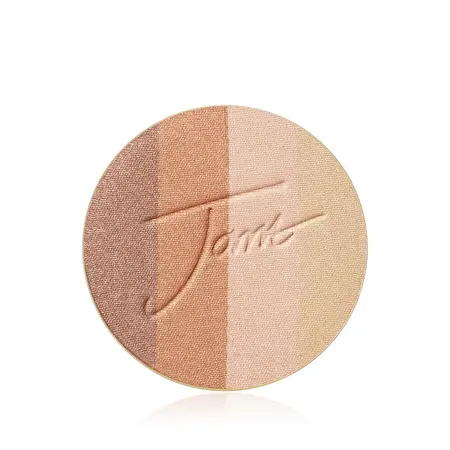
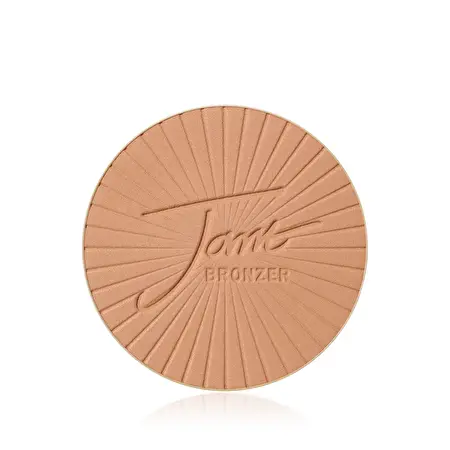
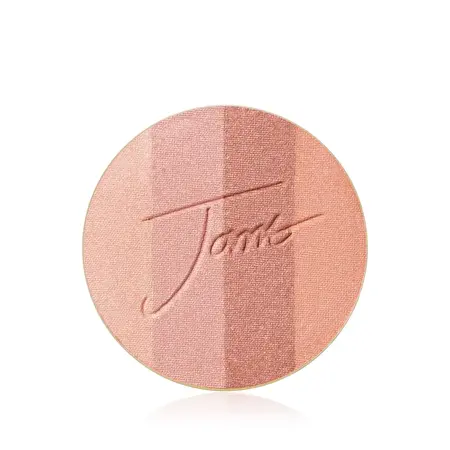
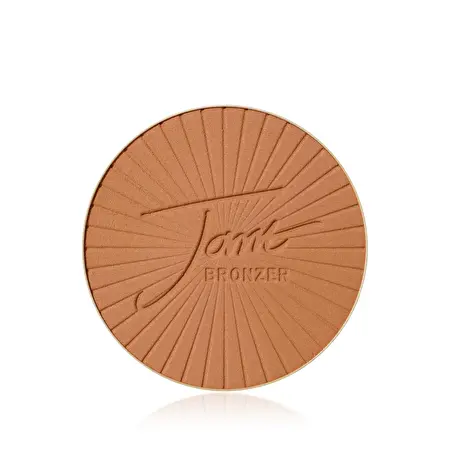





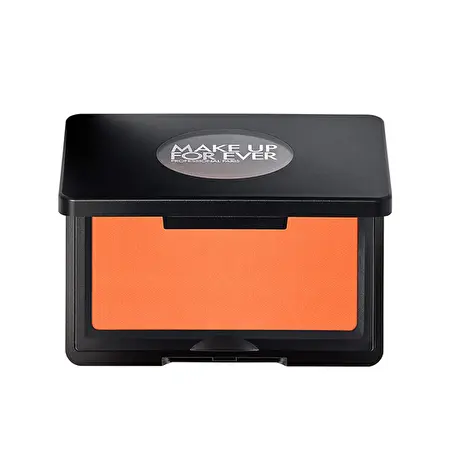
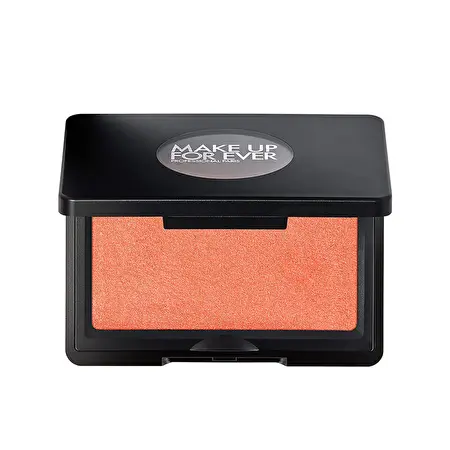

Blushes and Bronzers – an Instantly Fresher Look and More Warmth
When you want your skin to look well-rested and your features softly enhanced, your hand most often reaches for two favorites: blush and bronzer. They bring life back to the face, restore a natural glow, and help subtly balance proportions even when your makeup is minimal. The best part is the wide range of options: from effortlessly blendable everyday formulas to more intense ones suited for evening. In this category, it’s easy to choose by shade, texture, or finish, and the right products quickly become part of your daily routine.
Blush and Bronzer: What Are They For and How Do They Differ?
Blush is primarily meant to add color and freshness to the face-it mimics a natural flush after a walk or light exercise. That’s why blush is usually applied to the cheek area, and the shade is chosen to look lively “from within,” rather than like a separate patch of color. Bronzers, on the other hand, add warmth and a subtle sun-kissed effect: they lift the overall tone of the face and help gently define. Bronzer is typically applied where the sun naturally hits-temples, cheekbones, the jawline, and sometimes the sides of the nose if you want a soft shadow. The difference from contour is simple: bronzer for contouring is warmer and more “tan-like,” while contour products are usually cooler, more gray-toned, designed to mimic shadow. When used together, the result looks harmonious: bronzer adds warmth and blush adds vitality, especially when you choose the right matte or luminous finish.
How to Choose a Blush and Bronzer Shade for Your Skin Tone
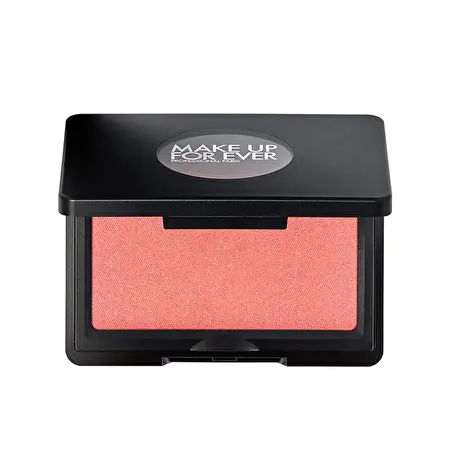
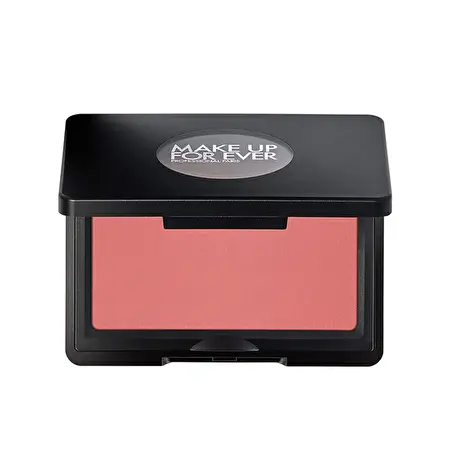
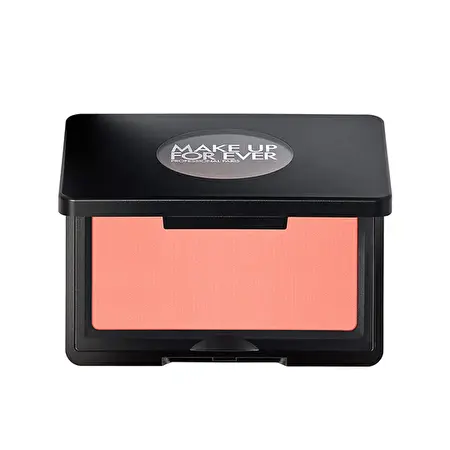
Choosing a shade based on your skin tone starts with two things: your skin depth and your undertone. Undertone is often revealed by vein color (bluish-cooler, greenish-warmer, hard to define-neutral) and whether silver or gold suits you better. Fair skin usually looks best with soft pink or peach blushes, while for bronzer it’s worth choosing a lighter, neutral shade without an orange cast so the transitions stay natural. Medium skin tones often suit peach, coral, or pink shades, and bronzers can be neutral or slightly warm-especially beautiful when you’re aiming for a “just got back from the sun” effect. Deeper skin tones look striking with berry, plum, or terracotta blushes, and bronzers should be richer so they don’t blend into the skin or look ashy. A safe rule of thumb is to choose a bronzer only 1–2 shades darker than your skin-then the definition looks soft rather than “drawn on.” If you’re shopping online, filters by shade, undertone, and finish help you quickly narrow down the selection and more easily find that perfect match.
Textures: Cream, Liquid, and Powder-What to Choose?
Texture affects both how the product feels on the skin and how easily it blends and wears. Cream blushes are often loved for a “skin-like” effect: they melt into makeup, look very natural, and are great for dry or normal skin, especially when you want a soft glow. Liquid blushes are usually easy to build: one drop is enough for a fresh result, and it’s convenient to increase intensity, but it’s important to apply them quickly and blend in thin layers to avoid patchiness. Powder blushes are especially convenient for oilier or combination skin, as they help control shine and often last longer without extra setting. The same principle applies to bronzers: cream formulas deliver a seamless, blended tan, while powders often look polished all day, especially in heat. Beginners may find it easiest to choose easily blendable formulas and neutral shades, since mistakes are simpler to correct. Layering works beautifully too: cream as a base, then a light dusting of powder on top so long-lasting makeup stays fresh until evening.
How to Apply Blush and Bronzer Correctly (Step by Step)
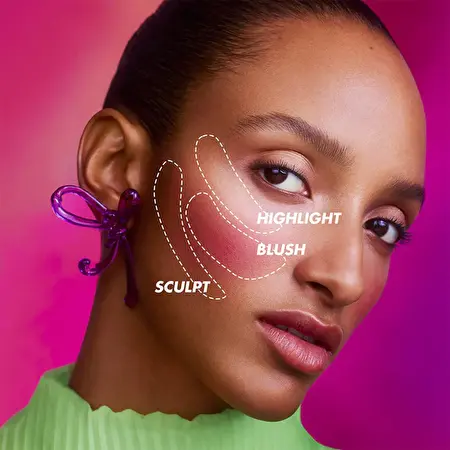
A polished result starts with prepped skin: hydration, SPF, and an even base help products melt in beautifully. It’s best to apply bronzer first, as it creates a warm frame and prepares the face for color: sweep it along the hairline at the temples, lightly under the cheekbone, along the jawline, and touch the sides of the nose only very sparingly. If you use bronzer for contouring, the key is not to overdo it and to blend everything upward so there’s no harsh stripe. Then comes blush: place it on the “apples” of the cheeks for a fresh, youthful look, or slightly higher toward the temples if your goal is to visually lift the features. How to apply blush and bronzer also depends on the tool: a brush gives a light, even layer, a sponge helps “press” product into the skin, and fingers are ideal for cream textures because warmth makes blending easier. For daytime, one thin layer and a soft transition is often enough; for evening, you can build: a bit more bronzer, a bolder blush, and finally set with powder or setting spray. The most important rule is simple: less product and more blending-then the natural glow looks real, not “applied.”
Quick Checks Before You Head Out
- In the light: look at your face by a window-this is the easiest way to see whether the bronzer is too warm.
- Blending: sweep the edges with a clean brush to avoid lines.
- Balance: if the blush is more intense, keep the bronzer softer, and vice versa.
Frequently Asked Questions: Wear Time, Pairing, and Mistakes
For long-lasting makeup to look polished, layers and setting matter most: thin layers wear better than one thick one, and a light powder or setting spray reduces the risk of products “sliding” off the skin. A common question is whether bronzer can replace contour: it can add some shape, but it more often warms rather than creates shadow, so for stronger sculpting you’ll need a cooler contour product, while bronzer is best kept for a softer effect. If bronzers look orange on the skin, the culprit is usually a shade that’s too warm or too dark-choose a more neutral tone and only 1–2 shades deeper. Pairing with highlighter is simple: bronzer for warmth, blush for color, and glow on the high points to enhance rather than “overpower” texture. For sensitive skin, it’s worth looking for gentler formulas and choosing what fits well into your everyday routine-especially if you’ll use the product often.
Common Mistakes That Are Easiest to Fix
- Too much product at once-better to add than to remove.
- Bronzer placed too low under the cheekbone-blend higher so the face doesn’t look “dragged down.”
- Blush too close to the nose-leave more space in the center of the face to keep the look fresh.
Blushes and bronzers easily transform your overall look: one adds vitality, the other adds warmth and subtle definition, and together they create an especially natural result. With the right shade chosen for your undertone and skin tone, makeup looks harmonious in both daylight and evening light. Different textures let you tailor the result to your skin type and desired effect-from barely there to more pronounced. Browse the most popular options, compare blushes and bronzers by finish and texture, choose your everyday favorites, and conveniently add them to your cart-so blushes and bronzers are always within reach when you want a quick, beautiful result.