Face oil vs. cream: what suits dry skin and what suits oily skin
Face Oil vs Cream: How to Choose Correctly for Your Skin Type
The “face oil vs cream” debate often gets emotional, but the right answer depends on your skin’s needs and your environment. Oil is a mix of emollients and occlusives that reduce water evaporation, while a cream typically combines water and oil phases with humectants and barrier-supporting components. For dry or dehydrated skin, oil can act as a “top seal,” while a cream serves as a basic hydrating foundation. For combination or oily skin, lightweight creams are usually more comfortable, though certain oils can be useful as an occasional finishing step or for massage. If you’re looking for a practical starting point, browse the Face creams and Face oil categories, where it’s easier to filter by texture and needs.
When formulas are chosen correctly, both camps can work together—it’s important to understand the logic of layering. Typically, you apply water-based serums first, then cream, and finally, if needed, a thin layer of oil to lock in moisture. On the other hand, if you use a highly nourishing cream with a generous dose of lipids, additional oil may be unnecessary—especially in oilier areas. In the cold season or on windy days, oil provides extra comfort, while in warmer weather a cream alone is often enough. A subtle balance between moisture and lipids helps keep skin calm, supple, and visibly smooth.
What’s “under the hood”: how do oils and creams differ?
Oils are mixtures of fatty acids, triglycerides, or esters without a water phase, so they don’t actively hydrate—but they help retain moisture. They can be pure (e.g., argan, squalane, rosehip) or blends enriched with antioxidants. A cream, by contrast, is an emulsion: it brings together humectants (glycerin, hyaluronic acid), emollients (squalane, softeners), and occlusives (butters, waxes)—so it hydrates and softens at the same time. This difference in composition means oils work beautifully as the last step, while creams serve as a versatile base for different skin types. Both can be light or rich, so making a blind choice based on the name alone isn’t always accurate.
When choosing, it’s important to assess not only skin type but also skin condition: dehydrated skin lacks water, while dry skin lacks lipids. Dehydrated skin primarily needs humectants in creams or serums, followed by lipids or oils so moisture doesn’t “evaporate.” For dry skin, restoring the barrier with a combination of ceramides, cholesterol, and fatty acids is critical, and suitable oils help seal it in. For combination or oily skin, overly heavy lipids can feel like a film, so lightweight, fast-absorbing emulsions tend to win. The right combination can reduce tightness, shine, and sensitivity at the same time.
When to choose a face oil: for dry and dehydrated skin
If your skin constantly feels tight, flakes, or quickly loses comfort after cleansing, oil may be the missing link. It provides silky slip, reduces roughness, and instantly restores softness—especially when applied over a damp layer of cream. For dry skin, nourishing oils such as argan or rosehip are suitable, while for dehydrated skin, lighter options like squalane or ester-based variants help without weighing down the texture. Oil is especially helpful at night or in harsh weather, when wind and cold increase transepidermal water loss. For more targeted shopping, the Dry facial skin and Dr. Spiller sections are useful, where you’ll find both targeted formulas and the brand’s philosophy.
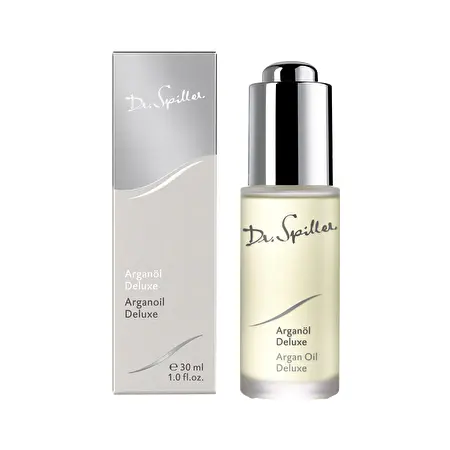
A good example is argan oil, known for good skin compatibility and a pleasant, non-sticky finish when used sparingly. One such solution is Dr. Spiller ARGANOIL DELUXE - Argan oil for dry skin, convenient both as a final step and as a massage oil for a relaxing ritual. When using oil, it’s important not to forget basic hydration—a cream with humectants applied beforehand will help lock water in where it belongs. If your skin is prone to clogging, choose lighter oils and a thinner layer, avoiding excess in the T-zone. This smart approach restores comfort and elasticity without a greasy film feeling.
When cream wins: for combination and oily skin
For combination and oily skin, creams usually provide the best balance between moisture and a lightweight finish. In these types, a combination of humectants and light emollients helps reduce tightness after cleansing without weighing down pores. In summer or when exercising, cream “wears” better because emulsions are generally more stable under SPF or makeup. If your skin tends to get shiny, choose “light,” “gel,” or “fluid” textures that absorb quickly and don’t create a slippery film. When properly matched, a cream delivers long-lasting comfort without added heaviness.
If you’re looking at examples, from the lightweight category it’s worth checking out Dr. Spiller CELLTRESOR INTENSE REBUILDING LIGHT Cream, and for a more luxuriously hydrating effect—Dr. Spiller COLLAGEN CREAM - Moisturizing (24h) collagen cream. Both choices demonstrate how different textures serve different situations: one focuses on lightness, the other on comfort and smoothness. For oily skin, it’s especially important that the cream is non-comedogenic, layers stably with SPF, and doesn’t cause excessive shine. By choosing the right consistency, you’ll maintain clean, calm skin without excess. If you’re unsure, start with a lighter emulsion and only then add extra lipids as needed.
Layering oil and cream: a simple rule with smart exceptions
The classic sequence looks like this: cleansing, water-based serum, cream, then a thin layer of oil. This order makes sense because humectants “seat” water in the skin, cream stabilizes it within an emulsion, and oil creates an additional protective layer. Exceptions arise when you use a very light gel cream and an ultra-thin ester-based oil—then some people find it more comfortable to apply oil before cream for slip or massage. However, if you apply a watery cream over oil and it pills or separates, return to the classic order. Listening to your skin’s feedback is the best advisor.
Another practical detail is amount and frequency. For dry skin, in the evening 1–3 drops of oil warmed in the palms and pressed into the cream is enough, while in the morning a cream alone before SPF is often sufficient. For combination skin, use oil only locally or seasonally to avoid comedones. For oily skin, oil isn’t necessary daily at all—choose it as a backup comfort solution when skin is irritated or flaking. This discipline helps avoid excess and maintain a neat, balanced surface.
The most common mistakes and how to avoid them
One mistake is confusing dry and dehydrated skin, leading to choosing oil alone without hydration—so the problem doesn’t go away. Another is layering a heavy oil over a very rich cream, especially in oilier areas, creating a “greenhouse” effect and clogged pores. A third is skipping SPF, which is an essential ally of the barrier even if the cream seems “nourishing enough.” A fourth is using large amounts of oil expecting a “faster” result, which often ends in stickiness and discomfort. Finally, frequent experimentation without tracking what works prevents you from building a consistent, skin-friendly routine.
- First, clarify: are you lacking water or lipids? Your choice depends on this.
- Follow the rule: fewer layers—clearer results.
- If you’re prone to comedones, choose light emulsions and ester-based oils.
- Use SPF daily, regardless of whether you choose cream or oil.
- Keep a short notes journal so you can see real progress.
Product directions and specific examples
To shop with intention, start with the Face creams and Face oil categories, where you’ll find both lightweight and nourishing formulas. For dry skin, an argan or squalane direction is ideal, while for combination skin—gel creams that absorb quickly with niacinamide or ceramides. Among concrete examples, Dr. Spiller ARGANOIL DELUXE - Argan oil for dry skin provides comfort and smoothness, while Dr. Spiller COLLAGEN CREAM - Moisturizing (24h) collagen cream delivers an all-day feel of elasticity. Fans of light textures will like Dr. Spiller CELLTRESOR INTENSE REBUILDING LIGHT Cream, whose texture doesn’t weigh down the skin and pairs easily with SPF and makeup. If you’re interested in the brand’s philosophy or want to learn more about active ingredients, take a look at the Dr. Spiller page.
Beyond examples, it’s valuable to have guidelines for reading ingredient lists, especially when choosing an oil. Look for terms like “squalane,” “triglyceride,” “caprylic/capric triglyceride,” “jojoba”—they often indicate a lighter feel. In cream emulsions, humectant combinations (“glycerin,” “sodium hyaluronate”) together with ceramides (“ceramide NP,” “AP,” “EOP”) help strengthen the barrier. If your skin is prone to irritation, choose formulas without strong fragrances, and for the first uses apply a smaller amount to assess tolerance. This way you’ll make choices that stay comfortable for more than just a month.
Mini routines by skin type
Dry skin (lacking lipids)
In the morning, cleanse with a gentle creamy or gel cleanser, then apply a water-based serum with hyaluronic acid and glycerin. Next, choose a nourishing cream with ceramides and squalane, and if you’re facing cold or windy weather—1–2 drops of oil over the cream. Always finish with SPF, which will reinforce the barrier and protect against UV-related dryness. In the evening, repeat hydration, and use oil as the final layer, especially on areas that flake. When you need extra support, the Dry facial skin direction with a hydration focus will help.
Dehydrated skin (lacking water)
After cleansing, use a toning mist or serum with humectants, then a light cream to “lock in” moisture. If you feel tightness in the evening, press in 1–3 drops of a lightweight oil as the last step. In the morning, a cream and SPF are often enough, especially if the weather is humid or warm. The key is to hydrate first and only then “seal”—otherwise oil alone won’t solve the problem. This consistent approach helps quickly restore comfort without a greasy finish.
Combination skin
In the morning, choose a gel cream for the whole face and, if needed, a niacinamide serum for the T-zone. In the evening, use a light cream, and apply oil only to the cheeks or around the nose if those areas are drier. Avoid a heavy, all-over lipid “blanket”—it can trigger shine on the forehead and nose. If your skin sometimes reacts to weather changes, keep oil as an “SOS” product for a few days. This zone-based layering supports balance and reduces the likelihood of comedones.
Oily skin
In the morning, a light cream and SPF are usually enough, and choose serums based on your needs—for example, with niacinamide or zinc. In the evening, apply the same lightweight cream, and reserve oil only for times when skin becomes irritated after active ingredients—and only locally. If you want to build a basket purposefully based on a tendency to shine, it’s useful to visit the thematic section For dry skin, where it’s easy to filter by effect and texture. For oily skin, the most important things are simplicity, stability, and consistent SPF use, which helps prevent extra shine caused by UV irritation. This regimen ensures a cleaner look and comfort without excess weight.
How to adapt to season and lifestyle
In cold winter or on windy days, increase the lipid share—for example, add oil over cream in the evening. In summer, when humidity is higher and you sweat more, many people feel great using just one lightweight cream under SPF. When exercising intensely or traveling, it’s worth choosing stable, fast-absorbing creams that don’t feel heavy. If you start using active ingredients (acids, retinoids), keep oil as a “cushion” for more sensitive days. Dynamic but thoughtful adaptation delivers better, longer-lasting results than rigid rules that ignore the seasons.
Another practical tip is to observe how layers behave after 20–30 minutes. If you feel stickiness or see pilling, the layer is too thick or the textures are incompatible. In that case, reduce amounts, change the order, or choose a different base. Don’t be afraid to test on a smaller area before changing your entire routine. Small, mindful adjustments usually save a lot of time and product.
A quick decision map
- If you lack water—start with a cream with humectants; if needed, add 1–2 drops of oil over it.
- If you lack lipids—a nourishing cream and regular oil in the evenings.
- If you get shiny—a lightweight gel cream; oil only in exceptional cases and locally.
- If your skin is sensitive—simpler formulas without intense fragrances, smaller amounts.
- Always—SPF, regardless of whether you choose oil or cream.
In closing, it’s worth emphasizing that “face oil vs cream” isn’t a title fight, but a smart combination based on your skin’s reality. For dry or dehydrated skin, oil helps seal in moisture and restore comfort, while for combination or oily skin a lightweight, fast-absorbing cream is usually enough. Correct order and an appropriate amount eliminate stickiness, shine, and clogging, while the skin barrier remains stable. When you need inspiration or want to try specific formulas, visit Face creams and Face oil—it’s easy to quickly find what suits you best there. Consistency, seasonal common sense, and minimalism most often bring the most beautiful everyday results.