Face serums: types, ingredients, and how to choose based on skin type
How Does a Face Serum Differ from a Cream?
The difference lies in the concentration and texture. Face serums contain a significantly higher concentration of active ingredients—often 5–10 times stronger than a regular cream. Their molecules are smaller, allowing them to penetrate the deeper layers of the epidermis. A cream covers and nourishes the surface, while a serum works from within.
This is why a serum does not replace a moisturizing cream—it works together with it. The serum is applied first, followed by the cream, which seals in the active ingredients. This order ensures maximum effect and long-lasting changes in the skin.
What Types of Facial Serums Exist?
Facial serums are categorized by their main function and active ingredients. To understand how to choose a serum, you first need to know what it should do for your skin.
Hydrating Serum
This is the most universal type of serum, suitable for almost all skin types. The main active ingredient is hyaluronic acid, which binds up to 1000 times its weight in water. A hydrating serum restores skin elasticity, reduces the feeling of dryness, and prepares it for the next steps. For dry and dehydrated skin, we recommend choosing formulas with several molecular sizes of hyaluronic acid—they work in different layers of the skin.
Anti-Aging Serum
Designed for more mature skin or for the prevention of the first wrinkles. The main active ingredients are retinol, peptides, and coenzyme Q10. Retinol promotes cell renewal and collagen production, while peptides strengthen the skin’s structure. We recommend starting to use an anti-aging serum from the age of 30, and one with retinol in the evening, as it increases sensitivity to the sun.
Brightening Serum
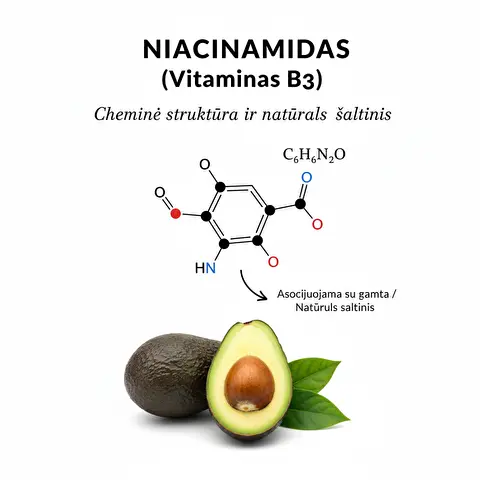
Designed to brighten pigmentation spots, uneven skin tone, and dark under-eye circles. The most active ingredients are vitamin C, niacinamide, and alpha-arbutin. Vitamin C also acts as an antioxidant, neutralizes free radicals, and gives the skin a glow. This is one of the most popular types of serums among customers who struggle with subcutaneous pigmentation.
Sebum-Balancing Serum
For oily and combination skin. The main active ingredients are niacinamide, salicylic acid, and zinc. These ingredients reduce the appearance of pores, control sebum production, and have an anti-inflammatory effect. Serums with BHA acid, which cleanses pores from within, are especially suitable for acne-prone skin.
Soothing Serum
For sensitive and reactive skin. The formula often contains centella asiatica, panthenol, beta-glucan, and aloe vera. These ingredients reduce redness, strengthen the skin barrier, and restore a feeling of comfort. Such serums are essential after procedures that irritate the skin.
Our cosmetologists often tell clients: one serum - one goal. A mistake we see every day is women buying three or four serums and applying them together, hoping for faster results. In reality, active ingredients can conflict with each other, irritate the skin, or simply neutralize each other’s effects. Choose one serum for the morning and another for the evening. For example, in the morning - vitamin C and SPF; in the evening - retinol or peptides. This kind of routine will work much more effectively than a pile of five products.
How to Use a Face Serum Correctly?
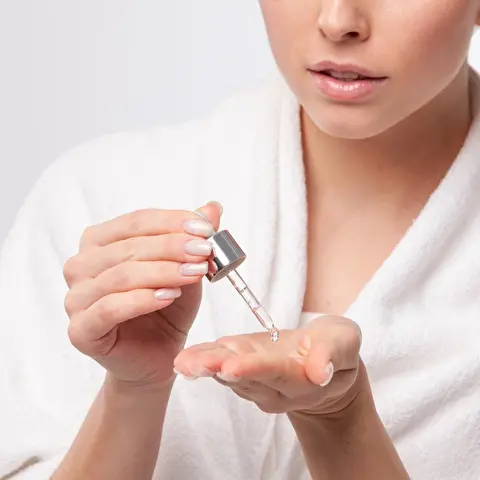
The most important thing is the order. Serum is applied to clean, slightly damp skin—this helps active ingredients absorb better. 3–4 drops are enough for the entire face. More does not mean better; on the contrary, excess remains on the surface and cannot absorb.
A complete routine looks like this: cleanser, toner, serum, eye cream, moisturizer, and in the morning, SPF as well. Wait 1–2 minutes between serum and cream to allow the formula to absorb.
How long does it take to see a change? At least 4–6 weeks of regular use. The skin renews itself in about 28 days, so you will see the true effect after a full cycle. You will feel hydration after just a few days, but reducing pigmentation or smoothing wrinkles requires patience.
Our face serums and concentrates have precise usage instructions—read them before you begin. Some active ingredients, such as retinol or acids, should be introduced into your routine gradually—start 2–3 times per week and only then increase the frequency.
Serums Recommended by Our Cosmetologists
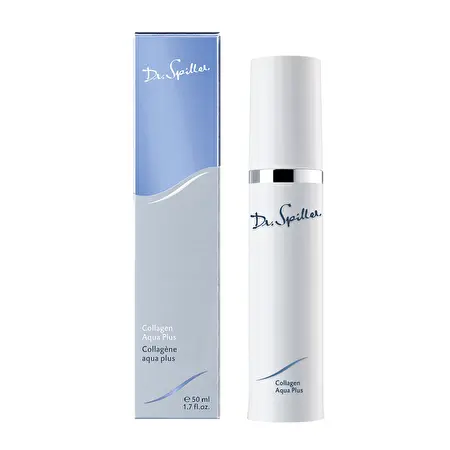
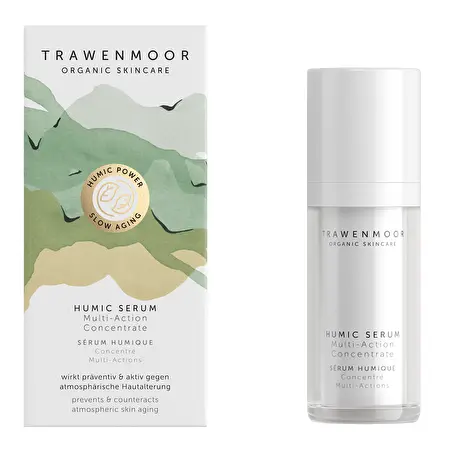
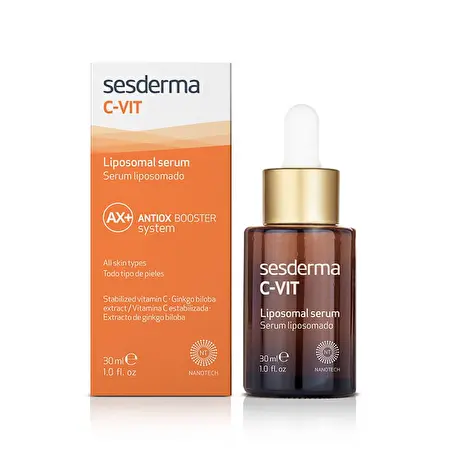
We have selected three facial serums that suit different needs and skin types. Each of them is loved by our customers and has proven its effectiveness in a real skincare routine. Choose according to what your skin needs most today.