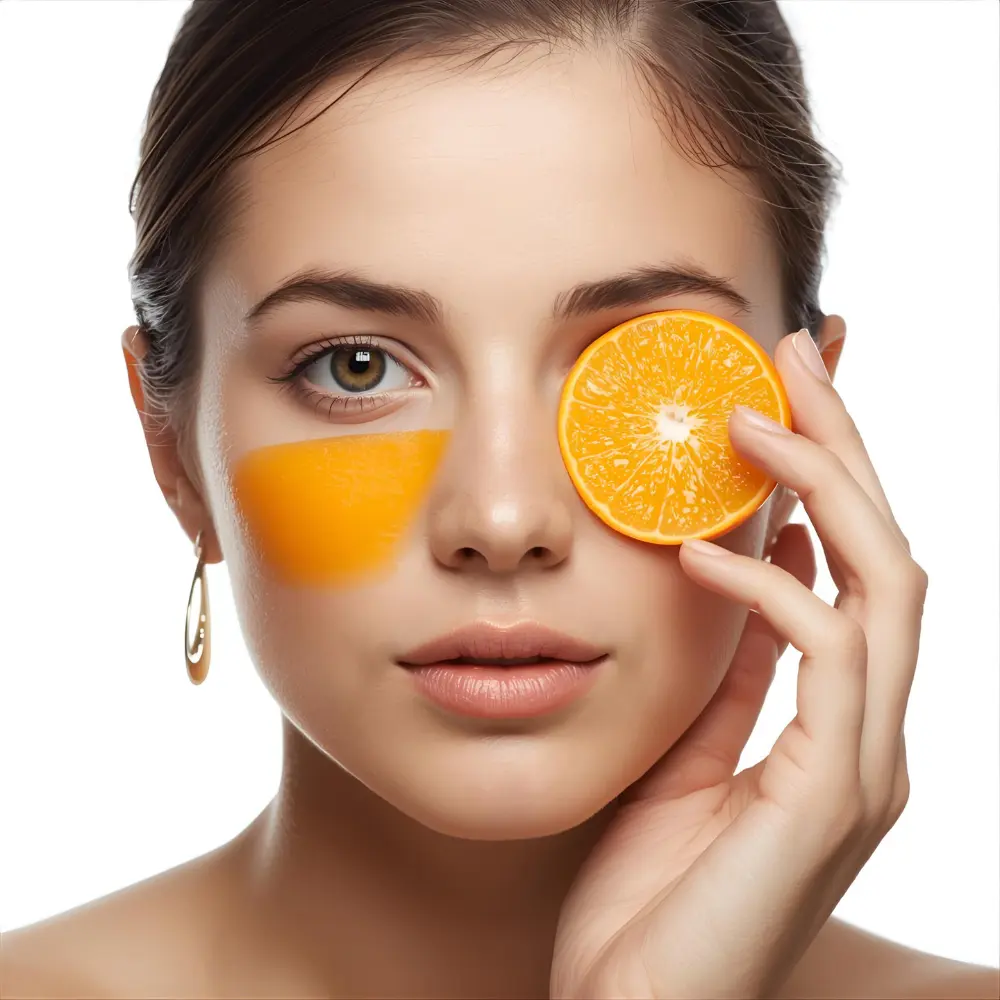
Vitamin C for the Face 2025: How to Choose the Serum Strength?
Vitamin C for the Face 2025: How to Choose Your Serum Strength?
Why “vitamin C for the face” remains the gold standard
If you’re looking for ingredients that visibly brighten the complexion and give skin that “well-rested” look, vitamin C for the face remains one of the most reliable choices. This antioxidant helps neutralize free radicals caused by UV radiation and pollution, contributing over time to more elastic, more even-looking skin. For many people, the main goal is brightening and reducing the appearance of pigmentation spots-and that’s exactly where vitamin C shines. In addition, it supports collagen synthesis, so the skin appears firmer and smoother, especially when paired with thorough hydration. The key is choosing the right serum concentration and form to maximize benefits while minimizing the risk of irritation.
In 2025, it’s easy to get lost in the market, because a “vitamin C serum” can mean either pure L-ascorbic acid or advanced derivatives that differ in stability and how they feel on the skin. Different products come with different pH levels, different bases, and added antioxidants, so the end result depends on more than just the percentage. Still, concentration remains the most convenient guideline, helping you quickly distinguish gentler from more intensive options. To choose purposefully, start with your skin sensitivity, your goals, and how intensive your current routine is. Below, we’ll discuss how to properly evaluate the 5–10% and 15–20% ranges and what to expect from each group.
5–10%: a gentler start for sensitive skin or first-time users
If your skin reacts quickly and is prone to redness or flaking, a 5–10% concentration is usually the safest and most sensible place to start. This strength helps provide daily antioxidant protection and gentle brightening without strong stinging or a drying effect. That’s why the 5–10% range is also suitable for those who are just getting acquainted with active serum ingredients and don’t want drastic changes to their routine. In addition, lower concentrations often come with a more skin-friendly pH and a more comfortable base, making them easier to layer with moisturizers and SPF. This helps you maintain consistency-which is what truly drives results.
A gentler start is also beneficial if you’re using other actives at the same time, such as niacinamide, AHAs, or retinol, because the overall “load” on the skin becomes more predictable. At this strength level, the serum can be used daily, sometimes even twice a day, if the skin feels good and remains comfortable. If you want more texture benefits and smoothness, add hydrating products as well, because vitamin C is not a humectant and won’t compensate for a lack of water on its own. For that, the insights in the article The Importance of Hydration for Maintaining Healthy Skin are helpful, clearly showing why well-hydrated skin tolerates actives better. If you’re looking for a broader selection, it’s worth browsing the category Face Serums and Concentrates, where you can conveniently compare formulas and textures.
15–20%: more power when you want stronger brightening and targeted spot care
Once your skin is sufficiently accustomed-or if you’re aiming for a more noticeable brightening effect on pigmentation spots-a stronger 15–20% level can deliver results faster. This is especially relevant if your skin is more resilient, normal, or combination, and your goal is smoothing texture and achieving a visible “glow” effect. Higher concentrations often work more quickly, but they also carry a higher risk of irritation, so closer monitoring and disciplined SPF use are essential. If you also combine acids or retinoids, it’s worth planning your schedule so your skin gets rest days and there is less cumulative impact. For some, alternating works well-for example, a stronger vitamin C in the morning and retinol a few nights per week.
At this level, it’s worth choosing reputable manufacturers that can stabilize the active ingredient and manage the skin feel so any tingling remains controlled. For example, explore the DR. SPILLER range, which emphasizes comfortable textures and carefully balanced formulas. For a specific need, DR. SPILLER Vitamin C-Plus Serum may be a good fit, designed to support a brighter, more visually even complexion and everyday antioxidant protection. Always assess your tolerance: if you experience uncomfortable burning or prolonged redness, reduce frequency or return to a 5–10% strength. Consistency and a pleasant user experience often win over the “everything at once” strategy.
Forms, stability, and pH: the result isn’t determined by percentages alone
Pure L-ascorbic acid is considered the gold standard, but it is sensitive to air, light, and higher temperatures, making stability a critical success factor. If a serum is formulated at a low pH, the active penetrates more easily, but for sensitive skin this can mean a higher likelihood of stinging. That’s why alternatives such as ascorbyl glucoside, magnesium ascorbyl phosphate, or 3-O-ethyl ascorbic acid offer better stability and often a gentler feel. These derivatives can be found at both 10% and 15% levels, and comfort may still be better than with a more aggressive pH. When evaluating a product, look for a clear indication of the form and whether it needs to be stored away from light or heat.
Oil-soluble derivatives, such as tetrahexyldecyl ascorbate, often provide extra comfort for dry or mature skin because the base feels like a nourishing elixir. Meanwhile, water-based L-ascorbic acid serums typically deliver a fast brightening effect but require airtight packaging and correct storage. If you’re unsure where to start, explore the broad selection in the category Products with Vitamin C, where you can conveniently filter by skin condition and texture preferences. There you’ll find both gentler and more intensive options, making it easier to match your routine. The more stable the form and the better protected the bottle, the longer the product will retain real activity.
How to choose based on skin type and common concerns
For sensitive, redness-prone skin, it’s best to choose 5–10% derivatives with a gentler pH and an added set of soothing components. For this skin type, it’s also important that the serum base is not overly dehydrating and that the texture layers easily with a cream. Combination and oilier skin do well with fast-absorbing liquids or gels that don’t leave tackiness and sit well under SPF. If the main goal is pigmentation spots, a 15% or even 20% level may be appropriate, but at first it’s worth testing every other day. For dry or mature skin, oil-based derivatives and supportive antioxidants can enhance comfort and radiance.
For post-inflammatory marks after breakouts, a vitamin C serum becomes a valuable link alongside a gentle exfoliant and a reliable sunscreen. In such cases, the “less, but consistent” strategy works well-choosing a concentration that won’t provoke an additional barrier reaction. If your skin benefits from breaks, you can alternate vitamin C days with hydration “boost” days to maintain balance. It’s worth remembering that even the most advanced formulas can’t replace SPF discipline, because without photoprotection, pigmentation concerns will keep returning. A consistent plan delivers a stronger, more reliable result over time.
Ingredient pairings: what works well together, and what is better scheduled separately
Vitamin C pairs excellently with ferulic acid and vitamin E, because this trio boosts overall antioxidant potential and is supported by good practice. Meanwhile, niacinamide helps soothe, reduce the appearance of pores, and support the barrier, so many people with combination skin love this duo. However, it’s best to plan AHAs or BHAs with vitamin C more carefully, as together they can create too strong a sensation, especially at higher strengths. Retinol is more often best moved to the evening and introduced on alternate days so the skin doesn’t become “overheated.” The most important thing is to follow a clear schedule and listen to your skin: if it says “too much,” reduce frequency and return to a hydration-focused base.
To keep things clear, it can help to review general guidance, such as the article The Power of Face Serums: Why It’s Important to Include Them in Your Skincare Routine?, which emphasizes the importance of concentration, texture, and compatibility. Once you’ve set priorities, it’s easier to decide whether you need a light, everyday antioxidant or a more intensive brightening course. If you use several actives at once, create a simple weekly plan to avoid duplication and excessive exfoliation. Often, it’s more effective not to increase percentages but to optimize combinations and the introduction schedule. This approach allows you to gradually build tolerance and achieve a more even effect over a few weeks.
Usage schedule and layering: from the first drop to SPF
For many, morning vitamin C is the logical choice, as it enhances daytime antioxidant protection and delivers a “glow” effect before makeup. A typical order is: cleanser, toner (optional), vitamin C serum, moisturizer, SPF. If you choose the 15–20% level, start every other day and only later move to daily use if your skin feels comfortable. In the evening, gentle cleansing and a barrier-supporting cream are enough, especially in the first weeks, so you don’t overdo activity. Consistency-not a “one-time mega dose”-is the real formula for progress.
Avoid applying to completely wet skin if you’re using a low-pH L-ascorbic acid serum, as this can intensify tingling. If your skin tends to dry out, quickly seal in moisture with a cream after the serum to maintain comfort throughout the day. Lightweight gels suit combination skin, while richer emulsions are ideal for dry or mature skin. Always finish with SPF, because vitamin C is not a substitute for sunscreen. This step is especially important if your goal is pigmentation spots, because without SPF, your serum effort will be only half the work.
Most common mistakes and how to avoid them
- Jumping too quickly to 20% without adaptation: start with 5–10% and monitor your skin’s reaction for a few weeks.
- Too many actives at once: combine wisely, especially with AHA/BHA and retinol, so you don’t compromise the barrier.
- Insufficient SPF use: without it, brightening pigmentation spots becomes inconsistent and slow.
- Inconsistent product hygiene and storage: protect from light and heat to reduce the risk of oxidation.
- Neglecting hydration: vitamin C serum is not a moisturizer, so take care of water balance separately.
How to read the label and choose reliable products
On the label, look for the specific form name: L-ascorbic acid, ascorbyl glucoside, magnesium ascorbyl phosphate, or tetrahexyldecyl ascorbate. If pH is stated, keep in mind that a very low pH will feel more “intense” on sensitive skin, but may be more effective for penetration. Reputable brands usually clearly indicate concentration, storage recommendations, and suggested usage frequency. To make searching and comparison easier, it’s worth starting with the dedicated category Products with Vitamin C, where you’ll find both gentler and more advanced solutions. If you’re interested in well-balanced formulas, browse the DR. SPILLER offering and specific products such as DR. SPILLER Vitamin C-Plus Serum, featuring a texture that’s easy to incorporate into a routine.
Before adding a new product, always do a small patch test on a limited area of skin, especially if you choose a 15–20% concentration or a lower pH. Evaluate how the serum works with your moisturizer and whether it causes pilling when applying SPF or foundation. If you’re prone to clogged pores, choose lighter, fast-absorbing bases. For pronounced pigmentation spots, patience and consistency will matter more than any “instant” effect. For comparison and to build a routine, the broader category Face Serums and Concentrates is also useful, as it makes it easy to assess ingredients and textures side by side.
Practical roadmap: from selection to results
- Define your goals: is the main aim overall brightening, or more targeted work on pigmentation spots and texture smoothing?
- Assess sensitivity: if your skin reacts easily, start with 5–10% and gentler forms; if it’s more resilient, consider 15% and above.
- Combine wisely: schedule actives (AHAs, retinol) on alternating days; leave “free” evenings for the barrier to recover.
- Stay disciplined: daily use and SPF are the two most important pillars of success.
- Evaluate progress every 6–8 weeks: take photos under the same lighting conditions and compare objectively.
Where to start: handy resources and further reading
If you want to quickly create a short “shortlist,” start with the section Products with Vitamin C, then move on to the broader selection Face Serums and Concentrates. Then choose a 5–10% or 15–20% option based on the criteria discussed in this guide and compatibility with your current routine. To deepen your understanding, we recommend the article The Power of Face Serums: Why It’s Important to Include Them in Your Skincare Routine?, which explains in detail how and why serums work. And to keep your routine comfortable and consistent, pick up practical tips from the publication The Importance of Hydrating for Maintaining Healthy Skin, because well-hydrated skin often reveals vitamin C’s benefits faster. This way, step by step, you’ll build a system that works with your lifestyle-not against it.
If you like concrete examples, it’s worth starting with reputable manufacturers and stabilized formulas. Among them, you’ll find DR. SPILLER options that emphasize comfort and clearly stated usage. The noteworthy DR. SPILLER Vitamin C-Plus Serum can be a good reference point if you want to reliably introduce vitamin C into your morning routine while maintaining balance with other ingredients. Finally, remember that “vitamin C for the face” is not a one-day solution, but a smartly constructed strategy. The right strength, a reliable form, and patience are the trio that will help you achieve a more even tone and more radiant skin day after day in 2025.