Foot and Leg Creams
Foot care products are creams, scrubs, and other items that help moisturize, soften, and protect the skin of your feet, so you feel comfortable every day and avoid dryness, roughness, or unpleasant odor. In this category, you will find a variety of foot care products: daily creams and lotions, intensive heel balms, masks, foot files, and anti-perspirant products.
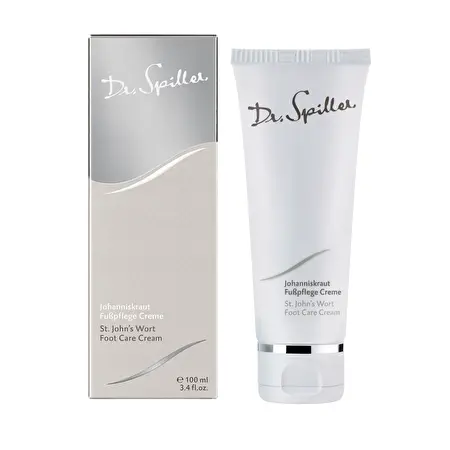
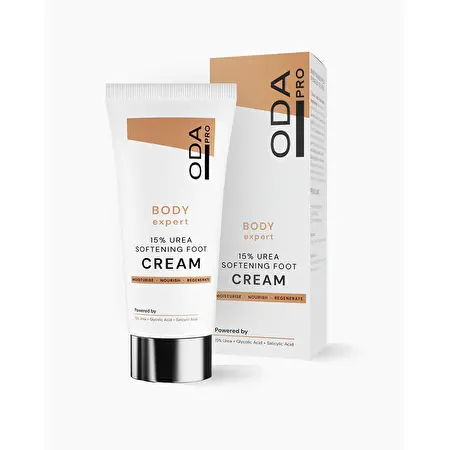
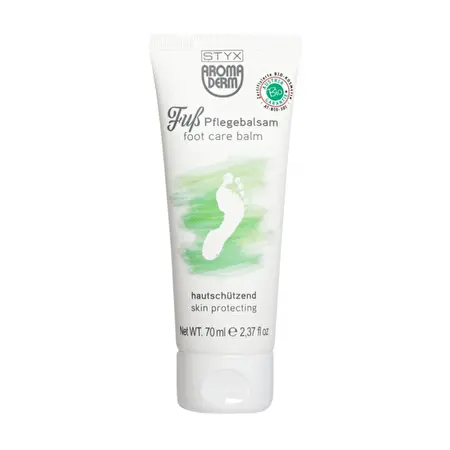
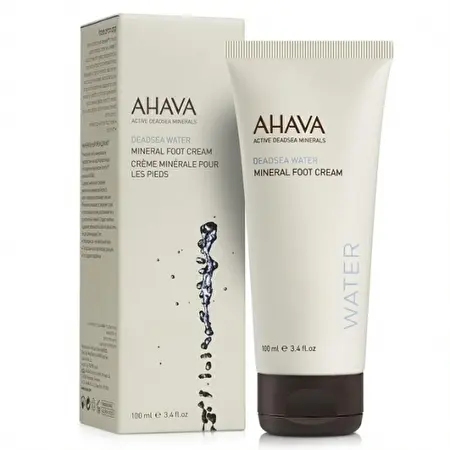
AHAVA DERMUD™ Intensive Foot Cream, 100 ml
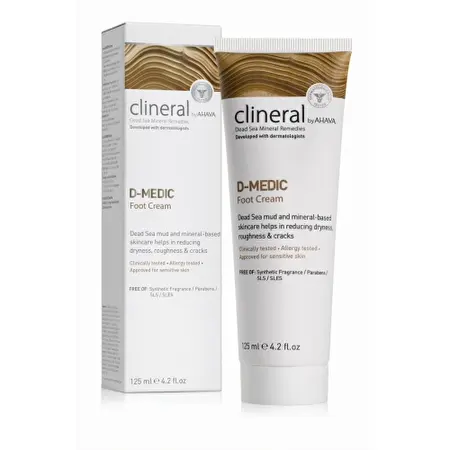
AHAVA CLINERAL D-MEDIC Foot Cream
Foot care products that help you feel comfortable every day
When feet become dry, start to feel rough, or develop an unpleasant odor, it quickly affects your comfort throughout the day. In closed footwear, the skin tends to sweat more often, and in summer, when feet are exposed, calluses and thickening skin are more visible. High-quality foot care products make it possible to regularly focus on hydration and softening, reduce thickened skin, improve the skin barrier of the feet, and help maintain neat heels. It’s convenient when everything is in one place: from a daily foot cream to intensive masks or exfoliating products. Filters by concern, skin type, texture, and active ingredients make choosing easier.
Foot care products: what you will find in this category
In this category, it’s easy to build a complete routine based on your needs, as foot care products include different textures and purposes. For daily use, a foot cream or leg cream is most often chosen, as it helps maintain skin softness and comfort after a shower. For more intensive care, balms for very dry skin and heels are suitable, especially when roughness or a tight feeling is bothersome. If you prefer a lighter feel, a foot lotion often absorbs faster and is pleasant in the warmer season. Additionally, you can choose foot masks-they provide concentrated care, especially when your feet are tired or the skin has lost its smoothness. For tougher areas, foot exfoliation is useful: scrubs, foot files, or special anti-callus products that help neatly care for calluses and thickening skin. Sweating and odor can be addressed with foot deodorants or sprays, and it’s also worth remembering footwear hygiene and changing socks daily.
- Daily and intensive creams and balms: from light hydration to stronger softening
- Lotions: fast-absorbing formulas for daytime and summer
- Masks and scrubs: an extra step for smoother skin and less thickening
How to choose a foot cream by concern (dryness, thickening, cracking)
When choosing a foot cream, it’s worth starting with the main issue, because different formulas are designed for different results. If your feet are simply dry, a cream for dry feet with moisturizing and barrier-repairing components such as glycerin, panthenol, or nourishing oils is usually helpful. When the skin tends to become rough and hard areas form quickly, a reliable choice is a foot cream with urea-urea helps both hydrate and gently soften thickened skin, and consistency matters more here than a one-time generous application. With pronounced thickening, it’s worth looking for more intensive keratolytic formulas, but use them cautiously, especially if the skin is sensitive. If cracked heels are a concern, a cream for cracked feet can help: it typically features restorative, soothing textures that help reduce tightness and support the skin barrier of the feet. For daily convenience, choose a fast-absorbing texture for daytime and a richer cream or balm for nighttime; packaging with a pump or a tightly closing tube also matters if you carry the cream in a gym bag. If your skin reacts to fragrances, it’s worth choosing gentler, less perfumed formulas.
Practical tips for choosing when shopping online
It’s convenient to “choose by concern”: for dryness-more hydration; for thickened skin-stronger softening; and for heel cracks-restoration. Filter by ingredient when you’re looking for a specific solution, such as urea, panthenol, or an oil complex. If you want faster results, choose intensive care products for nighttime and a lighter option in the morning so there’s no stickiness and it’s comfortable to put on shoes.
Foot masks, scrubs, and lotions: when each product works best
When you want noticeable smoothness, a daily cream is not always enough, so foot care products work best when combined. Foot masks are suitable as a more intensive ritual 1–2 times per week or as a course when the skin is clearly rough and uneven. They often provide a stronger softening effect, and afterwards it’s convenient to lock in the result with a cream so hydration and softening last longer. Foot exfoliation is especially beneficial when calluses and thickening skin are troublesome: gently exfoliating rough areas after a shower or foot soak allows the active ingredients in your cream to spread better and the skin becomes more even. It’s important not to overdo aggressive filing, because overly harsh exfoliation can irritate and encourage even more thickening. Foot lotion is an excellent everyday choice when you want a light, fast-absorbing texture and a clean feel, especially in spring and summer. If sweating and odor are an issue, sprays or foot deodorants can be helpful, but it’s also worth paying attention to airing out shoes and drying feet thoroughly, especially between the toes.
- Mask: when you need more intensive softening and comfort in a short time
- Scrub or foot file: when thickening is pronounced, with calluses and rough heels
- Lotion: for everyday use when you want lightness and fast absorption
Daily at-home foot care routine: steps and tips
Daily habits often do more than occasional “rescue” attempts, so foot care products perform best within a routine. The first step is to wash your feet and dry them very well, especially between the toes, as excess moisture can increase discomfort. The second step is gentle foot exfoliation 1–2 times per week after a shower, focusing mainly on the heels and areas where the skin tends to thicken. The third step is daily foot cream: in the morning, a lighter leg cream or lotion is often more convenient, and in the evening-something more intensive so the skin can recover overnight. The fourth step is targeted care for problem areas: if your heels are very dry or prone to cracking, choose a cream for cracked feet and apply a thicker layer. The fifth step is an additional product 1–2 times per week: foot masks or an intensive foot cream with urea when thickening is more pronounced and you want a smoother surface.
Tips for faster results
It’s convenient to apply cream to slightly damp skin, as this makes it easier to “lock in” moisture. Wearing cotton socks at night helps keep the product where it’s needed most and reduces friction against bedding. Consistency typically becomes visible within 2–4 weeks, especially if you combine anti-thickening products with daily hydration. If cracks are deep, bleeding, painful, or irritation is suspected, it’s worth consulting a healthcare professional to ensure care is safe.
Summary: easier-to-care-for feet start with the right choices
Neat feet aren’t just a seasonal matter-they’re important every day when you want lightness while walking and confidence in any footwear. Properly selected foot care products help address the most common concerns: dryness, thickening skin, calluses, cracking, sweating, and odor. Combine gentle foot exfoliation with daily cream, and keep a foot mask or a stronger balm for more intensive days. Browse the assortment and choose by concern: from a cream for dry feet to anti-thickening products. When the routine becomes simple, results last longer.