Foot masks
A foot mask is a concentrated foot care product that helps moisturize, soften, and restore rough skin to reduce dryness and cracks on the heels. Here you will find a variety of options: moisturizing and repairing formulas, an exfoliating foot mask, and convenient foot mask socks for more intensive skin renewal.
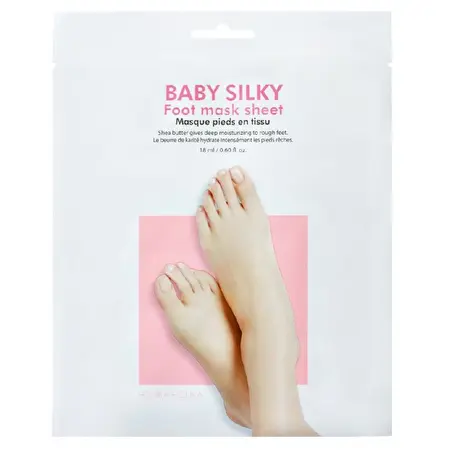
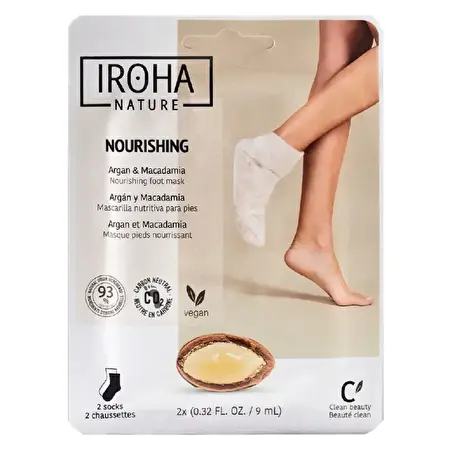
Foot mask: a quick way to restore softness to your feet
The skin on your feet is under strain every day: friction from footwear, dry air, heat, sweating, and pressure. As a result, it tends to thicken and become rough, and sometimes unpleasant cracks appear on the heels. When regular washing is no longer enough, a foot mask becomes a convenient at-home solution-it can provide intensive hydration or help gently remove the hardened layer of skin. In this category, it’s easy to find different types of products: from intensely restorative formulas to exfoliating foot masks and practical foot mask socks, as well as other everyday foot care products.
Foot masks: what are they for and when is it worth choosing one?
Foot masks are most often chosen when you want a faster, more concentrated effect than a regular foot cream can provide. They help when you feel dryness, the skin becomes rough, loses elasticity, and the heels start to “catch” on socks or bedding. Used regularly, a foot mask can contribute to a foot hygiene and prevention routine, especially if you walk a lot, exercise, or wear closed footwear. A common goal is comfort after a long day and a more neat-looking appearance of the feet when you want to wear open shoes without discomfort.
In practice, two main groups are distinguished. A moisturizing foot mask focuses on softening, nourishing, and supporting the skin barrier, so it is especially suitable when feet are simply dry but there is no pronounced hardened skin. Another type is an exfoliating foot mask, often sold in a sock format, when the removal of calluses and hardened skin is the main concern. For a quick choice, the rule is simple: if the main issue is lack of moisture-choose hydration; if a hard, thick layer dominates-choose exfoliation. For longer-lasting results, it’s worth pairing the mask with a foot scrub (not on the same day as an aggressive mask) and a daily cream.
Foot mask socks (exfoliating): how they work and what to expect
Foot mask socks are designed to evenly wrap the entire foot and distribute active ingredients uniformly. Most often, they are based on keratolytic acids (AHA/BHA/urea), which soften the hardened layer and promote the natural renewal process of the skin on the feet. That’s why this format is often called “exfoliating”: the goal is not abrupt scraping, but gradual, more even shedding of dead skin. The effect is usually not visible on the same day, because the skin first softens and only later starts to separate from the surface.
Keeping realistic expectations helps avoid disappointment. Peeling usually begins after a few days, and the full result most often becomes evident within 1–2 weeks, depending on the condition of the skin and how carefully you care for your feet after the procedure. This type is best suited when you are bothered by noticeably rough heels, calluses, hardened areas on the soles, and want a more effective solution than a foot scrub alone. However, if you have sensitive skin and irritation occurs easily, if there are open wounds, bleeding cracks, or a flare-up of skin conditions, such products may not be suitable. The safety rule is simple: do not use on damaged skin and discontinue if intense burning or pronounced redness occurs.
How to choose a foot mask based on your needs: dryness, cracks, hardened skin
When choosing, it’s best to first assess what bothers you most in everyday life: dryness, painful heels, or simply roughness you don’t like aesthetically. If the skin is dry but there are no thick calluses, a moisturizing foot mask with urea, glycerin, or softening oils usually works best, followed by a daily foot cream to lock in moisture and help it last longer. If heel cracks are the concern, restoration should be the priority: soothing, barrier-supporting formulas and regular application, with exfoliation only very gentle and only when the skin is not damaged. When a hard, thick layer dominates, the most rational choice is an exfoliating foot mask or foot mask socks, followed by intensive moisturizing so the skin doesn’t return to its initial condition.
- For dry skin: moisturizing foot mask + daily foot cream (urea/glycerin) + gentle foot hygiene and prevention.
- For cracks: restorative products, occlusive components, consistency; gentle exfoliation only if there are no small wounds.
- For hardened skin/calluses: foot mask socks or a foot scrub (on separate occasions) + intensive moisturizing afterward.
- For sensitive skin: gentler formulas, shorter wear time, start with hydration, monitoring sensations.
For convenient shopping, it’s worth choosing by filters: type (moisturizing or exfoliating), effect (softening, removal of calluses and hardened skin), skin condition (dryness, cracks, thickening), and sensitivity. This way you’ll find a product faster that not only delivers results, but is also pleasant to use as part of an at-home foot SPA routine.
How to use a foot mask safely: steps, frequency, what to do after the procedure
For a foot mask to deliver good results and avoid discomfort, the most important thing is to follow a few simple steps. First, wash your feet and dry them thoroughly-this reduces the risk that the product will work unevenly or cause stinging in areas where the skin is more sensitive. Then apply the mask: if it is foot mask socks, it’s convenient to secure them and leave them on for exactly as long as indicated on the packaging. After removing the product, some formulas need to be rinsed off, while others require you to massage in the остаток so the active ingredients continue to nourish the skin. Finally, the most important step is a daily foot cream: it helps maintain softness and reduces the likelihood that roughness will quickly return.
Frequency depends on the type. Moisturizing masks can be used as needed, often 1–3 times per week, especially during the cold season or if you spend a lot of time indoors with dry air. Exfoliating products are typically used less often, for example every few weeks, and it’s always best to follow the instructions for the specific product. It’s important not to do several aggressive steps at once: if you use an acid-based mask and then also intensely file your feet on the same day, sensitive skin and irritation become more likely. During peeling, you shouldn’t pull off the skin-better to let it shed naturally, and for comfort choose gentle cleansing and a cream. If the skin is irritated, it’s worth avoiding the sauna, swimming pool, or very hot baths for a while, and for prevention, comfortable footwear and consistent foot hygiene help.
- Daily after the procedure: foot cream morning and evening, and if needed-cotton socks overnight.
- Additionally: a gentle pumice stone only when the skin is softened and there are no small wounds; use a foot scrub separately from an exfoliating mask.
Results that last: consistency and the right choice
When feet are cared for consistently, even small rituals quickly become noticeable: the skin looks smoother, heels feel softer, and unpleasant tightness decreases. A properly selected foot mask lets you address a specific need-from intensive hydration to targeted removal of calluses and hardened skin-and the best effect is enhanced by a daily foot cream. If you want more pronounced skin renewal, it’s worth considering the foot mask sock format, and if your skin is more sensitive-choose gentler, comfortable formulas. Browse the range and choose foot care products based on your skin condition, seasonality, and desired result, so at-home foot SPA treatments are simple and enjoyable.