Foot Oils
Foot oil is a product designed for massage and skincare, helping to nourish and soften the skin and reduce the feeling of “heavy legs” after a long day. Choose from refreshing, toning, or intensely nourishing options tailored for a daily ritual, drainage massage, a sensation of swelling, or dry skin.
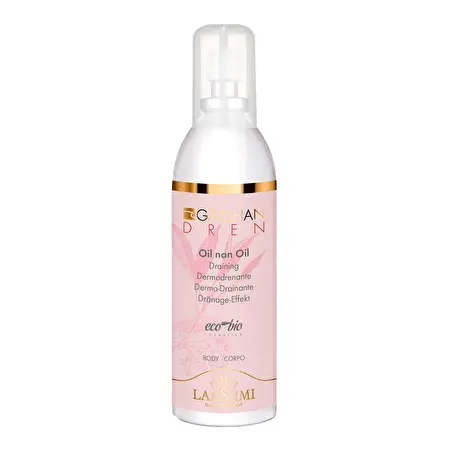
Leg Oil – Everyday Comfort After a Long Day
After a long day on your feet, prolonged sitting, or travel, you often want not one more step, but a feeling of lightness. Leg oil becomes a simple ritual that leaves the skin soft, and during massage helps relax tense muscles and reduce the “heavy legs” sensation. A well-chosen leg oil glides pleasantly, allows you to do a quick at-home leg drainage massage, and can provide a cooling effect-especially when you want fast freshness. It’s a great choice when you want an at-home SPA without complicated steps, and the result is felt immediately: softer skin, lighter legs, freer movement.
Leg Oil: What It’s For and When It’s Worth Choosing
Leg oil often differs from a regular body oil or lotion in that it’s more focused on the massage experience: it provides good slip, helps hands move easily from the feet upward, and prevents the skin from feeling “pulled.” Lotions often absorb faster, but may lack smoothness for massage, while a massage oil for legs maintains an optimal balance between glide and comfort. Such products are especially useful after exercise, after a hot day, after long hours standing at work, or when you sit a lot and want to stimulate lymph flow. While traveling-especially after flights or longer drives-a toning leg oil can become a quick evening ritual that brings back a feeling of lightness. If the skin is dry, leg oil helps nourish it, reduces the sensation of flaking, and leaves a soft, elastic finish. A pleasant aroma or an essential oil blend for legs further enhances the relaxation effect, but for sensitive skin it’s worth choosing a gentler scent.
How to Choose a Leg Oil for Your Needs (Swelling, Heavy Legs, Cellulite)
If you’re most often bothered by tired legs and feel heaviness in the evening, it’s worth choosing a lighter texture, faster-absorbing oil for tired legs with refreshing notes that create a cooling effect. In such cases, formulas designed for tone and comfort often work well, as they help maintain a good feeling even after an active day. When swelling is a concern, routine is very important: a leg oil for swelling works best together with regular massage and directional movements that support leg drainage, and evening use is the most convenient for many. To support a better “lightness” feeling, a leg oil for circulation is also helpful-especially when massaging from the feet upward, gently but consistently. If the goal is skin smoothness and a routine to reduce the appearance of unevenness, a cellulite oil for legs shows the best results when used regularly, combined with exfoliation 1–2 times per week and a more intensive massage. For dry skin, it’s better to choose a nourishing leg oil that’s easy to apply after a shower while the skin is still slightly damp. Fragrance intensity also matters: neutral options suit everyday use, while aromatherapy blends are ideal when you want extra relaxation.
Ingredients and Active Components: What to Look For
When choosing a leg oil, it’s worth looking at the base oils, as they determine both the feel and absorption. Almond or apricot kernel oils are often valued for their softening and elasticity feel, grape seed oil for a lighter texture, and jojoba oil may appeal to those who don’t like a heavy, greasy finish. If the leg oil is used for massage, “slip” matters: a product that’s too light may absorb quickly, while one that’s too rich may leave too much oiliness-so it’s convenient to choose balanced formulas or ester blends that provide a silky feel. Essential oils are often included to create an impression of freshness and toning: citrus, rosemary, or sage profiles can help create a fresher mood, especially when you want quick recovery after the day. An essential oil blend for legs should be chosen carefully for sensitive skin-it’s worth doing an allergy test on a small area of skin and avoiding application on irritated or damaged skin. Additional components such as vitamin E contribute to antioxidant protection and help maintain pleasant product stability. If vein elasticity is relevant for you as a comfort topic, choose gentle formulas designed for regular massage and avoid very intense fragrances that may irritate.
How to Use Leg Oil Correctly: An At-Home Massage and Drainage Routine
To get the most out of your leg oil, it’s convenient to apply it after a shower on slightly damp skin, or in the evening when you want to soothe your legs before bed. Usually, a few drops or 1–2 pumps are enough: spread it between your palms and start massaging the feet, then move upward toward the calves, knees, and thighs. The upward direction helps support lymph flow, and light, even pressure provides comfort and reduces the “heavy leg” sensation. If you want more targeted drainage, include short “pumping” movements around the calves and ankles, and after the massage raise your legs above heart level for 10 minutes. Consistency is more important than intensity: 3–5 minute rituals done 4–6 times per week often become an easy habit to maintain. Before applying oil, use a gentle scrub 1–2 times per week to make the skin smoother and help the product spread more evenly. A safety detail worth remembering: right after applying oil, avoid slippery floors and let it absorb for a minute before getting dressed.
Quick Choice by Situation
- Long day and fatigue: oil for tired legs with refreshing notes and a lighter texture.
- Evening ritual and the feeling of swelling: leg oil for swelling + directional massage from the feet upward.
- Skin-smoothing routine: cellulite oil for legs + exfoliation 1–2 times/week + regular massage.
- Daily care after the shower: nourishing leg oil with base oils and vitamin E.
Buying Guide: What to Pay Attention to When Choosing
When choosing a product online, it’s convenient to assess three things: texture, fragrance intensity, and purpose. If you massage often, a massage oil for legs should provide enough glide for at least a few minutes, but not become sticky or overly heavy. If you want quick freshness, a toning leg oil with a cooling-effect feel can be a good choice for summer, after exercise, or after long periods of sitting. For sensitive skin, it’s worth choosing gentler formulas with fewer fragrances, and if the formula contains essential oils, start with a small amount and observe your skin’s reaction. It’s convenient to use filters by need: “heavy legs,” “drainage,” “refreshing,” “nourishing,” as well as by ingredients or fragrance profile. Before buying, think about when you’ll use it most often: in the morning, a lighter texture is more convenient; in the evening, you can choose a richer leg oil that leaves a longer-lasting feeling of comfort. If it’s important that the product absorbs quickly and doesn’t leave marks on clothing, apply a thin layer and wait a few minutes.
Frequently Asked Questions About Leg Oils
- Is it suitable for daily use? Most often yes, especially if the skin is dry or you want consistent comfort, but it’s always worth considering the ingredients and individual sensitivity.
- Can it be used during pregnancy? If the formula contains essential oils, it’s safer to consult a doctor or pharmacist and choose gentler, less fragranced formulas.
- Is it suitable for sensitive skin? Yes, but a patch test is recommended, and avoid applying to irritated or damaged skin.
- Will it leave greasiness on clothing? Apply a thin layer, let it absorb for 2–5 minutes, and it’s best to use richer oils in the evening.
- Is it suitable for feet? Yes, especially for dry feet: you can apply more, massage in, and wear cotton socks overnight.
Light Legs Start with a Small Daily Ritual
A properly chosen leg oil helps create a quick, pleasant habit that contributes to softer skin and everyday comfort. When you want freshness, choose lighter, toning formulas, and when nourishment is the priority, look for richer base oils. For swelling or a feeling of heaviness, massage and leg drainage are especially important, so it’s worth choosing a product that glides pleasantly and encourages you to stay consistent. Browse the range, use filters by purpose, ingredients, and fragrance intensity, and choose the leg oil that best matches your daily rhythm.