Hand creams
Hand creams are daily care products that help restore and protect the skin barrier of the hands from washing, cold weather, and disinfectants, reducing dryness, tightness, and cracking. In the range, you will find hand creams in various textures: light, fast-absorbing options for daytime use, intensely nourishing formulas for the evening, as well as fragrance-free, urea-based, or sensitive-skin-friendly variants.
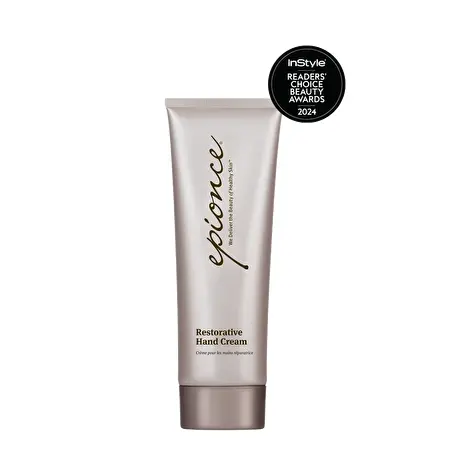
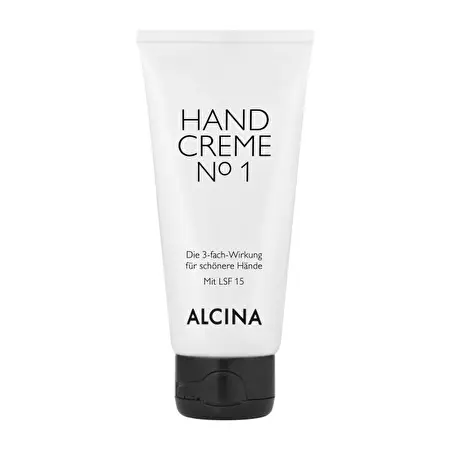
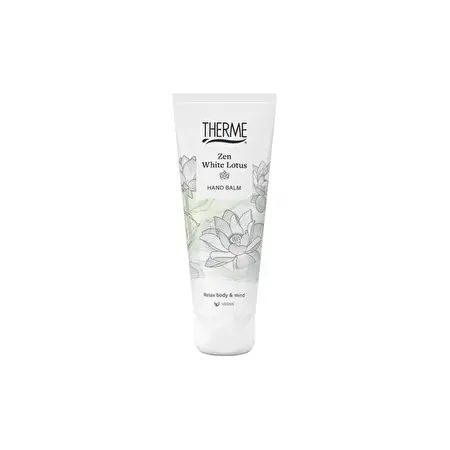
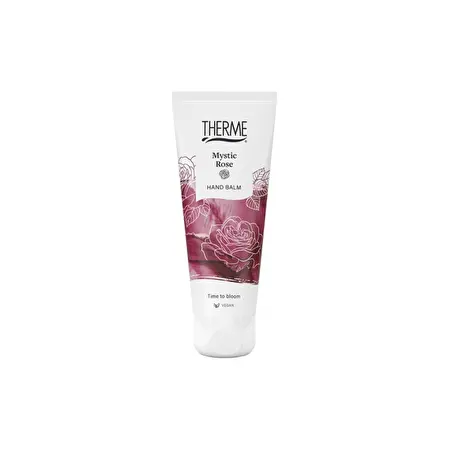
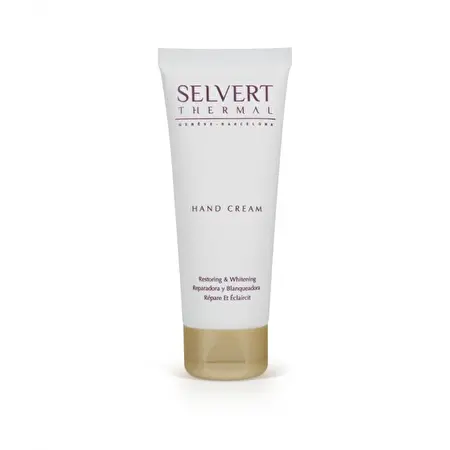
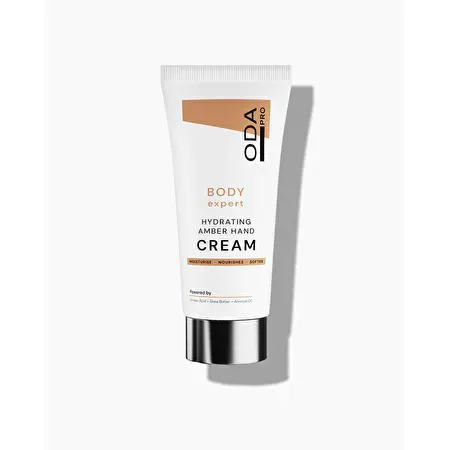
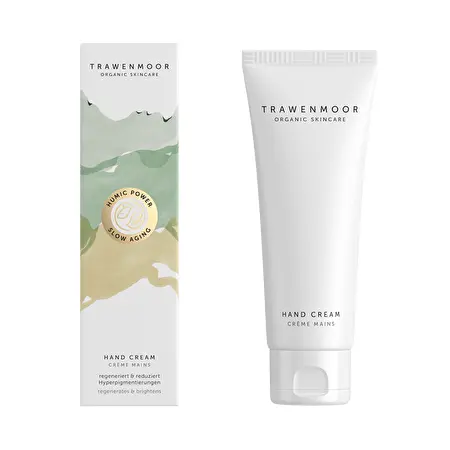
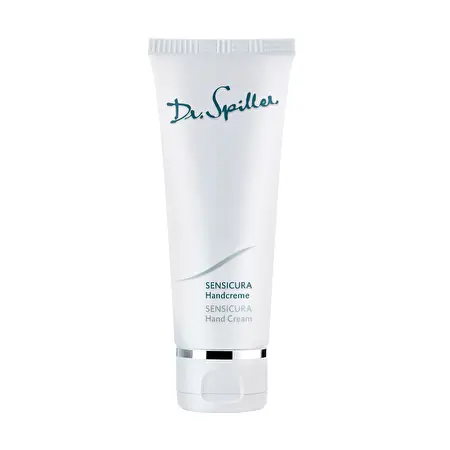
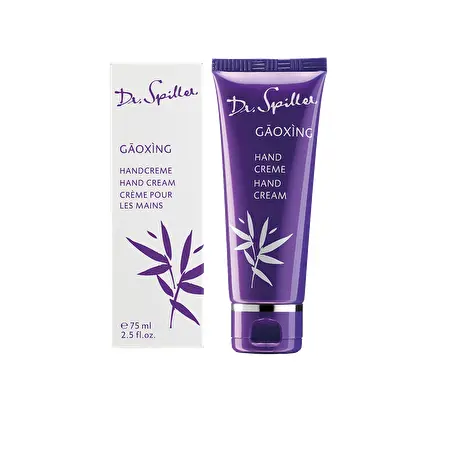
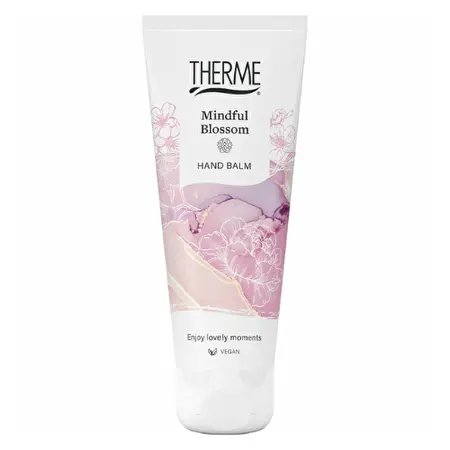
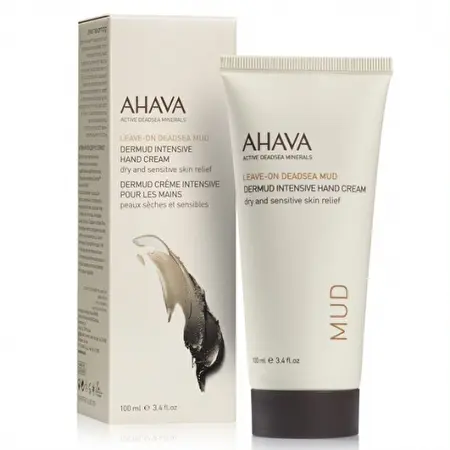
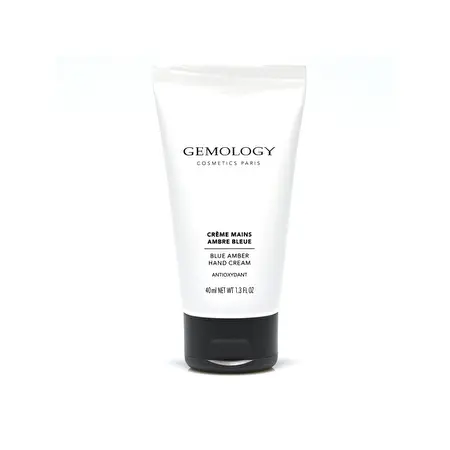
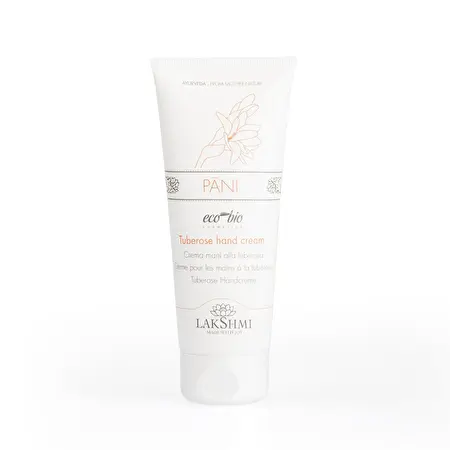
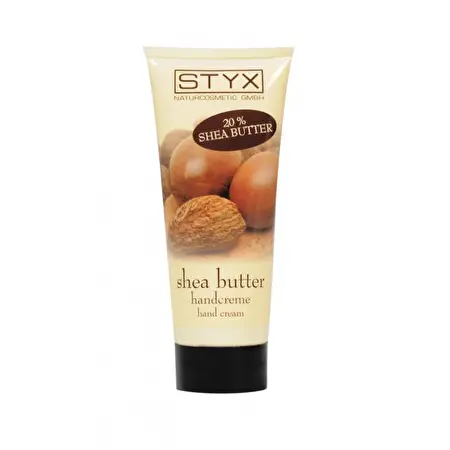
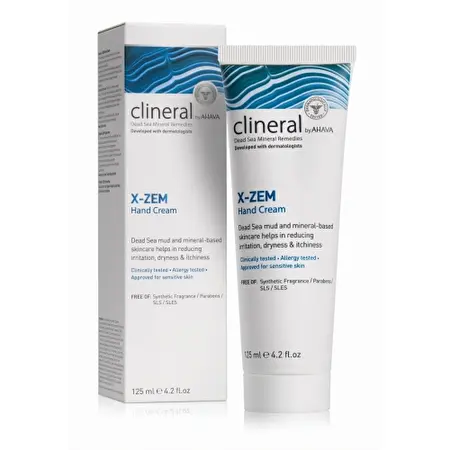
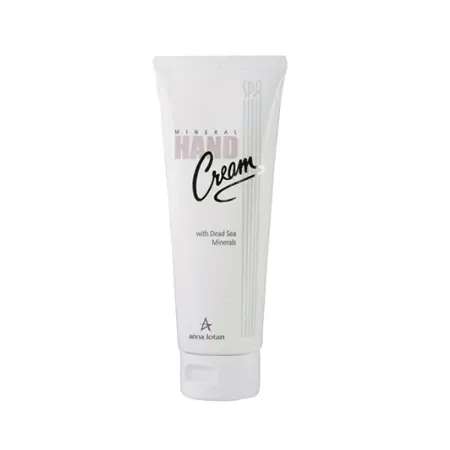
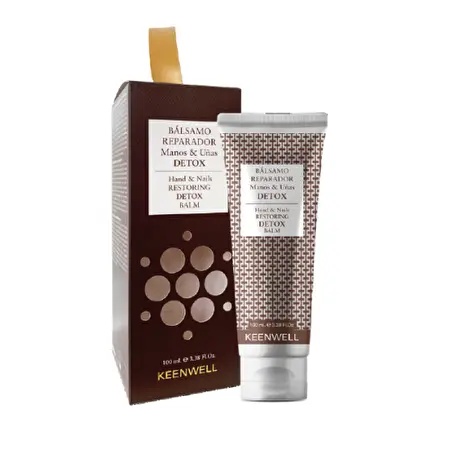
Hand creams for everyday use: when your skin asks for more than just moisture
Hands reveal daily habits faster than we’d like: frequent washing, disinfectants, cold, wind, or working without gloves weaken the skin barrier on your hands. Then tightness, roughness, cracks, and flaking appear, and even brief contact with water can cause discomfort. High-quality hand creams help restore softness, reduce stinging, and keep skin supple in every season. Different textures and formulas make it easy to match your pace: one hand cream is convenient in the car or at the office, another in the evening when you want more intensive hydration and nourishment. When a cream is chosen precisely for your skin’s condition, the result is felt not only immediately, but also over time.
Hand creams: how to choose based on skin condition
Skin needs change not only with the seasons, but also with your work, age, and even water hardness. If your skin is normal, a lighter-texture hand cream that absorbs quickly and maintains comfort after washing is usually enough. Very dry skin more often calls for a richer, more nourishing option that lasts longer on the skin and helps restore softness. If cracks and flaking are a concern, it’s worth choosing a more intensive formula that protects, soothes, and helps reduce roughness-then a hand cream for cracked hands becomes an everyday “savior” during the cold season. For reactive or allergy-prone skin, it’s important that a hand cream for sensitive skin has the simplest possible composition, often without fragrances and colorants, so the skin’s condition doesn’t fluctuate. It’s convenient to use filters by purpose (day or night), texture (light or nourishing), and skin type-this helps you find the best hand cream for your routine faster, rather than just the “most popular” option.
- If you wash your hands often – a lighter, fast-absorbing hand cream for daytime use is suitable.
- If you feel tightness and roughness – choose a nourishing, barrier-strengthening cream.
- If your skin reacts to fragrances – prioritize fragrance-free formulas designed for sensitive skin.
Hand cream for dry, rough, and cracked skin: what to look for in the ingredients
When skin loses its smoothness, the feeling of “softness” alone isn’t enough-it’s important that the product works on multiple levels: attracts moisture, locks it in, and reduces the impact of irritants. A hand cream for dry skin often relies on humectants such as glycerin, which help the skin retain water and reduce tightness. Emollients, such as plant oils or butters, add slip and elasticity, so the skin flakes less and feels more pleasant to the touch. When the goal is stronger protection, occlusive components (waxes or similar protective substances) are helpful-they “seal in” moisture and strengthen the hand skin barrier. If cracks are painful, the skin stings, and roughness doesn’t go away, a therapeutic hand cream often works well-an intensive, more protective formula designed for faster comfort and recovery. During more sensitive periods, it’s worth choosing fragrance-free options, and everyday convenience also depends on the packaging: a tube for your handbag, a larger pump for home or the workplace encourages more regular application.
- Dryness without cracks – humectants + light emollients for everyday use.
- Roughness, flaking – nourishing butters/oils and barrier-supporting components.
- Cracks and stinging – a more intensive, protective hand cream for cracked hands, especially in the evening.
Hand cream with urea: when it’s worth choosing and how to use it
Urea is one of the most practical ingredients when skin becomes very dry, rough, and “hardened”-it helps soften, retain moisture, and improve smoothness. A hand cream with urea is often chosen when regular hand creams provide only short-term relief and the feeling returns after a few hours. For daily use, applying 1–2 times a day is usually enough, especially after washing your hands, and in the evening you can apply a thicker layer so hydration and nourishment work longer. When you want an even more intensive result, an additional product can help-a hand mask or a nighttime routine with cotton gloves so active ingredients can “set” better on the skin. It’s important to listen to your skin: if there are open cracks or strong irritation, urea can sting, so it’s worth starting less often, choosing a gentler concentration, or temporarily returning to a soothing, simpler formula. This type of hand cream for dry skin often becomes a seasonal favorite in autumn and winter, when hand care requires more attention than usual.
Hand cream for men: fast-absorbing, non-greasy options
Practicality often determines whether a product will be used daily, so a hand cream for men is most often valued for how quickly it absorbs and whether it leaves a greasy, “slippery” feel. At work, while driving, or during sports, you want your palms to stay dry and your skin protected, so lighter textures and fast-absorbing hand creams with a neutral scent-or no fragrance at all-work best. In the evening, especially if skin tends to flake, you can choose a more intensive option that supports the hand skin barrier and reduces discomfort after a demanding day. If your hands react to temperature changes or disinfectants, it’s useful to have two solutions: a light one for the day and a restorative one for the night, so cracks and flaking don’t recur. For easier shopping, it’s worth filtering by features: “fast-absorbing,” “fragrance-free,” “travel size,” and if skin is dry and rough-choose a stronger formula closer to a therapeutic hand cream. When hand cream becomes a habit, it stops feeling like an “extra step”-it’s simply part of daily hygiene, just like facial care.
How to use hand cream correctly so results are visible
Cream works best when applied consistently, not only “when it already hurts.” The most reliable rule is to use it after every hand wash, because water and cleansers wash away natural lipids, weaken the hand skin barrier, and increase the feeling of dryness. Before going outside during the cold season, it’s worth applying it in advance so the product has time to absorb and form a protective layer. A small amount is enough: squeeze out a pea–bean-sized amount, massage it into the palms, backs of the hands, between the fingers, and finally into the cuticles, as they are often the first to start splitting. In the evening, especially if repair is needed, hand creams can be applied in a thicker layer, and when necessary, a hand mask also helps by enhancing the softening effect. When working with household chemicals or in cold water, gloves become just as important as a good hand cream for sensitive skin, because protection from irritants allows the skin to recover calmly.
Quick selection guide:
If you want a light feel for daytime – choose a fast-absorbing hand cream option suitable to carry in a handbag or keep in the car.
If the goal is intensive care – choose a hand cream for dry skin or a hand cream with urea, especially for the evening.
If cracking is a problem – look for protective formulas close to a “therapeutic hand cream” and apply regularly.
When you want to quickly find what fits, it’s convenient to choose by filters and needs: for dry skin, with urea, for men, or for sensitive skin. Curated hand creams make it easy to build a routine for home, work, and travel, so protection is always within reach. Choose the texture and fragrance intensity that suit you best, and if you’re unsure-start with a universal everyday option and complement it with a more intensive product for the evening. Consistency is often the difference that turns the search for the best hand cream into a truly noticeable result-smoother, calmer skin and fewer recurring cracks.