Cleansers
Facial cleansers are everyday skincare products that help remove makeup residue, SPF, dust, and excess oil so the skin stays clean, fresh, and free from irritation. The range includes facial cleansers in various textures: gels, foams, cream or milk types, as well as oil-based options for convenient double cleansing.
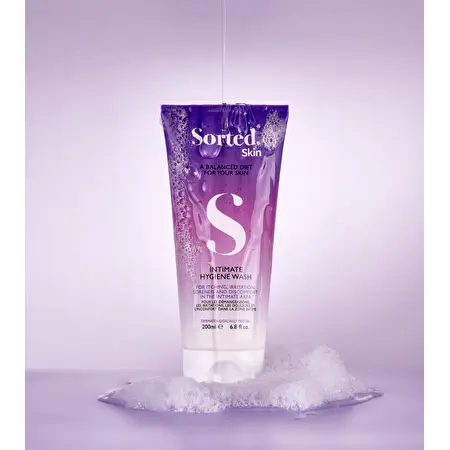
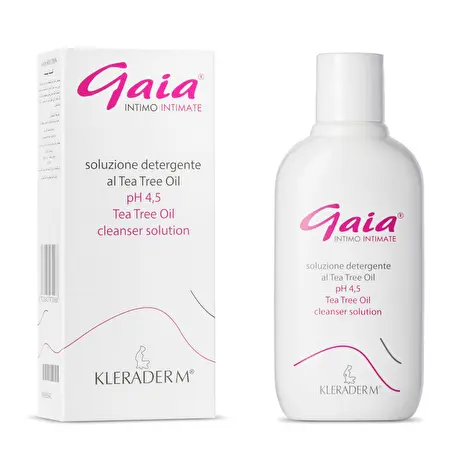
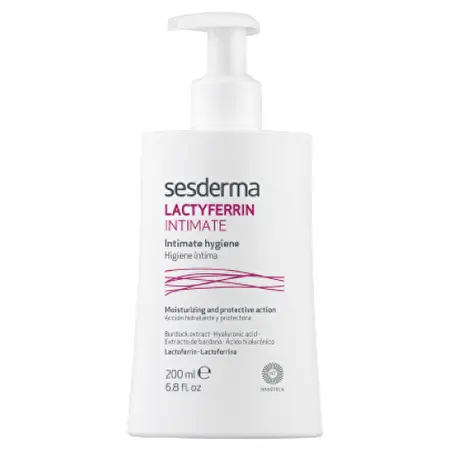
Facial Cleansers for Everyday Cleanliness and Comfort
Clean skin starts with proper cleansing, because this is where makeup residue, SPF, urban dust, and excess oil most often “get stuck.” Well-chosen facial cleansers remove impurities so that your skin feels fresh afterward-not tight or irritated. Different textures and formulas help adapt to everyday needs: for some, gentleness matters most; for others-non-clogging of pores; for others-a convenient way to remove makeup and SPF. When cleansing is matched to your skin type, the next steps (serums, moisturizer, SPF) spread more evenly and more often deliver a more consistent result.
How to Choose a Facial Cleanser by Skin Type
When choosing a facial cleanser, it’s worth starting with how your skin feels after washing. If you feel tightness, it’s often a sign the product is too harsh or not suitable for dry skin. If shine returns quickly after cleansing, the formula may be too rich for oily and combination skin, or it may lack effective yet gentle sebum removal. And if you experience redness or stinging, gentleness and a pH-balanced cleanser become the priority-especially when skin is sensitive. In practice, it’s convenient to choose by texture: a gel or foam is most often liked by oily/combination and normal skin, because it rinses off quickly and leaves a clean feel. Cream or milk-type products are better suited to dry skin, as they cleanse more comfortably. An oil facial cleanser is perfect in the evening when you need to easily dissolve SPF or makeup, while micellar water can be an extra option for travel or quick removal, but it’s usually worth rinsing off. For convenience, it’s worth filtering by skin type and preferred texture so you can find an everyday option faster.
Facial Cleansers for Acne: What to Choose for Problem Skin
For problem skin, it’s important that the cleanser helps remove excess oil and daily impurities without leaving a “dry mask” feeling. Acne facial cleansers are often chosen for the sensation of cleaner pores, but cleansing that’s too strong can encourage even more oiliness or sensitivity. A good choice is a water-based gel or gentle foam, which suits oily and combination skin and rinses off easily. It’s worth paying attention to whether the product is non-comedogenic and whether fragrance and irritating components are minimal-especially if your skin tends to redden. A facial cleanser for teens often needs to follow the same logic: easy use, gentle daily facial cleansing, and no aggressive “scrubbing” to a squeaky-clean finish. When skin is prone to breakouts, it’s especially important not to neglect moisturising after cleansing and to use SPF during the day, because dehydrated skin often reacts more sensitively. If you want to find the best facial cleanser for your routine, the most reliable criterion is how consistently your skin feels after 2–3 weeks of regular use: less tightness, less shine, a calmer surface.
Oil Facial Cleanser and Double Cleansing: When It’s Worth It
When you use SPF during the day, wear makeup, or spend a long time in the city, a water-based cleanser alone is sometimes not enough, because oil-soluble filters and pigments “cling” more stubbornly. An oil facial cleanser works simply: it dissolves oily impurities, and when it comes into contact with water it emulsifies and rinses away, leaving skin clean but not tight. Double cleansing is especially convenient in the evening when you want a clean start for the rest of your skincare. The routine is simple: the first step is an oil cleanser on dry skin, gently massaging and emulsifying well with water; the second step is a water-based facial cleanser (gel, foam, or cream), which removes residue and completes your daily facial cleansing. This method suits many people, including oily and combination skin when clogged pores are an issue, and dry skin when you need gentler makeup and SPF removal without friction. It’s important not to use too much product and not to rush the emulsification-then there’s no greasy layer left behind, and skin feels balanced.
Sensitive, Dry, and Mature Skin: Criteria for a Gentle Cleanser
When skin is sensitive or prone to dryness, cleansing should be as barrier-friendly as possible, because discomfort often comes not from “dirt,” but from overly strong surfactants and too much alkalinity. A facial cleanser for sensitive skin is usually judged by whether it doesn’t leave tightness, doesn’t cause redness, and rinses off easily without prolonged rubbing. A pH-balanced cleanser, gentler cleansing bases, and fewer fragrances are especially helpful here. For dry skin, cream, lotion, or milk-type products are more often suitable, as they cleanse more gently and leave a greater sense of comfort, and in the evening, if needed, they can be paired with an oil cleanser. A facial cleanser for mature skin should preserve the feeling of elasticity: the less “squeaky” cleanliness, the better, because that effect often indicates barrier over-stripping. Practical habits matter a lot here: wash with lukewarm water, pat your face dry by gently pressing a towel against it rather than rubbing, and don’t overcomplicate your routine with overly frequent cleansing. To make the choice quick, it’s convenient to use filters by skin type, sensitivity, and preferred texture.
The Most Common Face-Washing Mistakes and How to Avoid Them
- Water that’s too hot: choose lukewarm so skin is less likely to redden and dry out.
- Overly aggressive cleansers: if your skin feels tight after washing, switch to a gentler or cream option.
- Washing too often: for most people, twice a day is enough; after exercise, a gentle rinse is sufficient.
- Not removing makeup and SPF: double cleansing helps in the evening, especially when using long-wearing products.
- Rubbing your face with a towel: it’s better to pat dry by gently pressing.
Mini FAQ
- How many times a day should you wash your face? Usually morning and evening; if your skin is very dry, in the morning water alone or an extra-gentle cleanser may be enough.
- Do you need a toner? Not required, but it can provide extra comfort and help prep the skin for moisturiser, especially after hard water.
- When should you choose an oil cleanser? When you use SPF, makeup, or want to cleanse impurities more gently without rubbing the skin.
Properly chosen facial cleansers help maintain clean, calm skin without unnecessary dryness and provide a great foundation for your entire routine. For some, gels or foams for oily and combination skin work best; for others-cream cleansers for dry skin; for others, oil cleansing in the evening is indispensable. When looking for your everyday favourite, the most important thing is to observe how your skin feels after cleansing and how stable it remains over time, rather than focusing only on instant “cleanliness.” Choose a facial cleanser using the filters (skin type, texture, need), browse the most popular cleansers, and discover matching moisturisers and SPF together so your routine is simple and effective.