Bath and shower body cleansers
Body washes are daily hygiene products that gently remove dirt and sweat, helping to maintain skin comfort, pH balance, and softness after a shower. In the assortment, you will find a variety of body washes: refreshing shower gels, creamy formulas, oil cleansers that transform into a gentle emulsion, and solid bars for travel and less plastic.
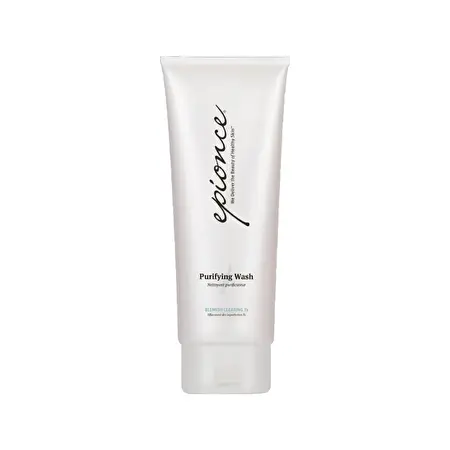
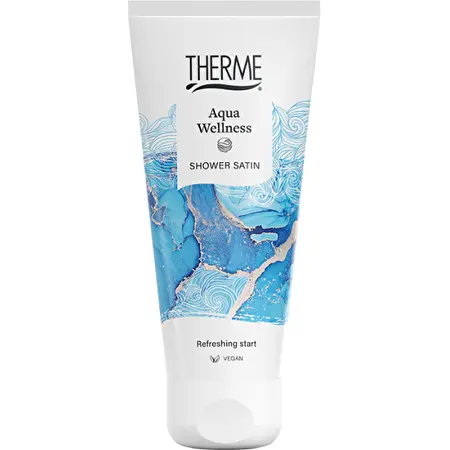
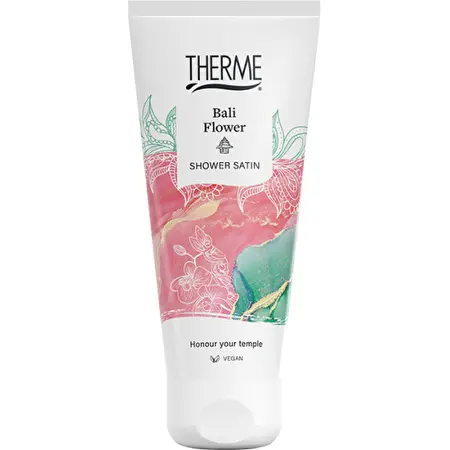
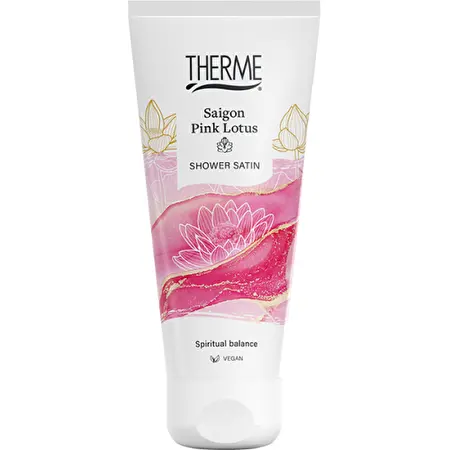
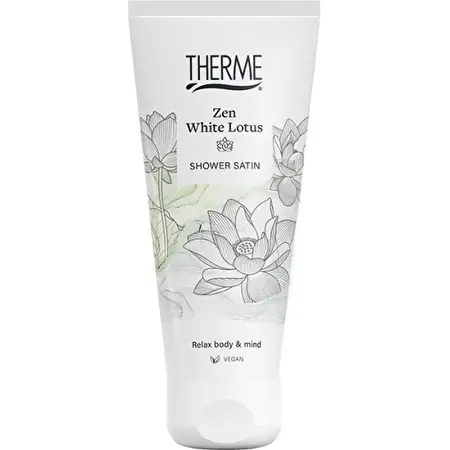
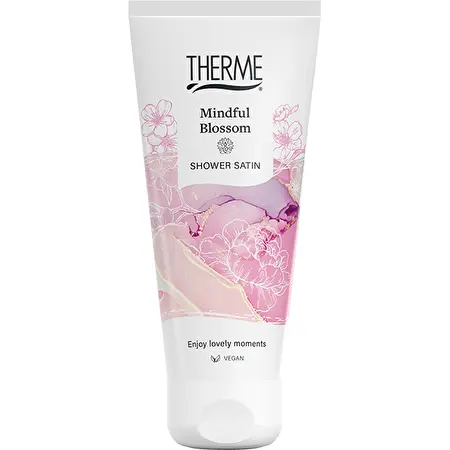
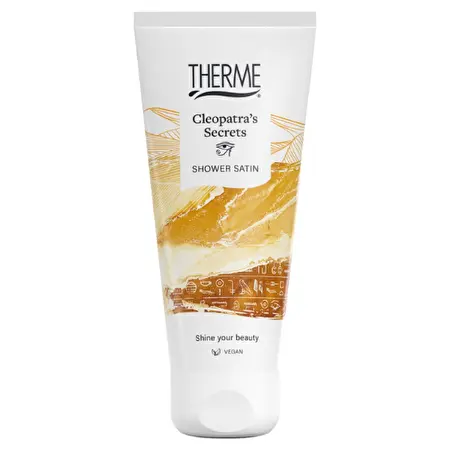
THERME CLEOPATRA'S SECRETS Body Wash, 200 ml
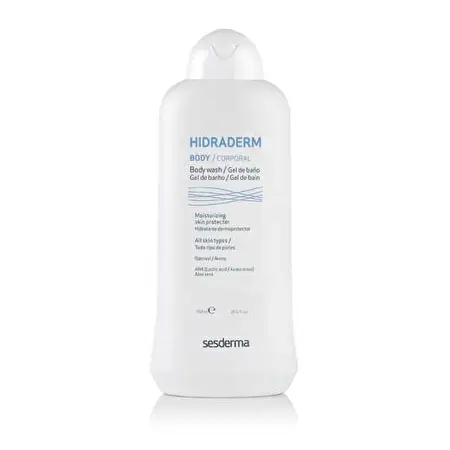
SESDERMA HIDRADERM body wash, 750 ml
Body washes for everyday comfort and a clean-skin feeling
A pleasant shower starts with a product that not only cleanses, but also leaves skin soft, calm, and supple. Today, body washes come in many different types: from a lightly foaming shower gel to a nourishing oil-based body wash that transforms into a gentle emulsion during cleansing. You can feel the difference right away-some provide freshness and that “squeaky clean” sensation, while others focus more on protecting the skin barrier and retaining moisture. When choosing, it’s worth considering your skin type, the skin’s pH balance, and the feeling you want after washing-lightness or silky comfort.
How to choose a body wash by skin type
For dry skin, the best choice is usually a hydrating body wash that doesn’t leave a tight feeling and helps maintain the skin barrier. In such cases, look for creamy or oil-based formulas rich in emollients, lipids, and milder surfactants, so that after the shower skin feels comfortable even without immediately reaching for an extra cream. For sensitive skin, a good option is a cleanser for sensitive skin with a pH close to the skin’s pH and as few potentially irritating additives as possible-especially if your skin tends to redden or sting after hot water. For atopic skin and very dry skin, an oil-based body wash is often recommended: it cleanses gently while also helping reduce flare-ups of dryness in your daily routine. Oilier skin or skin prone to sweating often prefers a refreshing body wash or a lighter shower gel, but it’s important that cleansing isn’t too aggressive-if the protective layer is stripped too much, the skin may respond by producing even more oil. For those who work out, a quick-rinsing body wash in convenient packaging is useful, as it easily removes sweat odor and works well both at home and in a gym bag.
Types of body washes: gels, oils, creamy and solid
Classic shower gel is often chosen for its rich lather, freshness, and fragrance that creates a “just stepped out of the shower” feeling. This type of body wash is especially convenient for everyday use when you want a quick wash and your skin isn’t prone to significant dryness. Oil-based options work differently: an oil body wash is usually applied to damp skin, gently massaged in, and rinsed off-helping preserve a soft feel that is particularly appreciated by dry and atopic skin. Creamy or milk-type body washes foam less, but cleanse gently, which is why they often become a compromise between freshness and comfort, especially when skin is sensitive or “temperamental” as seasons change. Solid cleansers (bars) are convenient for travel, take up less space, and help reduce plastic use-just be sure to choose gentler, skin-friendly formulas so the skin barrier isn’t compromised. If you want one solution for everyone at home, a practical choice is a more neutral body wash with a mild fragrance or none at all, suitable for both adults and children, especially when skin is sensitive to fragrances.
Ingredients worth paying attention to (and what to avoid)
A good formula starts with a skin-friendly pH and ingredients that not only cleanse but also help retain moisture. For daily use, humectants such as glycerin are helpful, as are emollients and lipids that ease the feeling of dryness-especially if your skin quickly starts to feel “tight” while washing. Soothing ingredients are often valued when skin reacts to temperature changes or after shaving, as they help maintain comfort. The label “SLS-free cleanser” for many means gentler cleansing and a lower chance of tightness, but the overall formula matters most: sometimes even an SLS-free product can be too strong if it contains many other harsh cleansing agents. For sensitive skin, it’s often worth avoiding intense fragrances and colorants, because fragrances and dyes can become an additional irritant, especially when the skin barrier is already weakened. A common mistake is water that’s too hot and using too much cleanser: both increase the risk of dryness, so it’s better to choose warm rather than hot water and use only as much as needed for gentle cleansing. It’s also worth being cautious with exfoliating too often, as overly active cleansing disrupts the skin’s pH balance and can trigger sensitivity.
When to choose additional products: scrubs and bath salts
For everyday use, a properly chosen cleanser is usually enough, but sometimes you want extra smoothness or a spa-like mood at home. A body scrub can be a great choice 1–2 times a week when skin looks dull, feels rougher, or when you want a more even tan-however, for sensitive or irritated skin it’s better to wait until it calms down. Exfoliation should be paired wisely: first a gentle body wash, then the scrub, and afterwards moisturizing, so the skin barrier recovers faster and no tightness remains. Bath salts are more for relaxation, muscle fatigue after exercise, or simply a pleasant ritual, but after a bath skin can sometimes feel drier, so a cream or oil helps. The practical choice often depends on your routine and time, so it’s convenient to have a few different options for different days. For everyday needs, it’s best to prioritize gentleness and save extra products for moments when you want more.
- For dry skin: an oil-based body wash + a nourishing cream after the shower.
- For freshness: shower gel + a light lotion to keep skin supple.
- At-home SPA: body wash + body scrub (1–2x/week) + bath salts, followed by intensive moisturizing.
Frequently asked questions about body washes
Do you need a cleanser every day? If you shower daily, especially after exercise or in summer, a body wash helps remove sweat, leftover creams, and impurities, but it’s important that it’s gentle and doesn’t disrupt the skin barrier. If skin is very dry or sensitive, sometimes it’s enough to use cleanser on areas that sweat more, and choose ultra-gentle cleansing elsewhere.
What’s the difference between shower gel and an oil cleanser? Shower gel more often delivers freshness and more foam, while an oil body wash focuses more on comfort, a reduced feeling of dryness, and maintaining the skin’s pH balance, especially for dry or atopic skin.
Is one cleanser suitable for the whole family? Often yes, if you choose a more neutral, gentle option without intense fragrances and dyes; however, for very different needs (e.g., teenagers after sports and very dry skin) it’s more convenient to have two different ones.
How to choose a travel option? For travel, it’s convenient to choose a smaller size, a leak-proof bottle, or a solid bar, and if your skin tends to dry out from airplane and hotel water, it’s useful to take a hydrating body wash or an SLS-free cleanser.
- Filter by need: for dry skin, cleanser for sensitive skin, “SLS-free,” fragrance intensity, and size.
- If your skin reacts, choose a natural body wash with a more minimalist formula and a pH close to the skin’s.
- If your skin feels tight after showering, switch to a hydrating body wash or an oil-based option and use warm, not hot, water.
When you want a gentle everyday routine, body washes should be chosen as carefully as facial care: based on skin type, the feeling after cleansing, and a formula that doesn’t disrupt the skin barrier. For some, a refreshing shower gel works best; for others, a creamy or oil-based body wash that helps maintain comfort for dry skin and even atopic skin. Browse the assortment, use filters by skin needs, “SLS-free cleanser,” fragrance, and size, and choose the option that will turn everyday hygiene into a pleasant ritual.