Shower and Bath Oils
Shower oil is a gentle body cleanser that not only cleanses, but also helps maintain the skin’s lipid barrier and comfort-especially when the skin starts to feel tight or flaky after a shower. Here you will find a selection of shower oils and bath oils by fragrance, ingredients, texture, and skin needs-from fragrance-free options for sensitive skin to nourishing formulas for the whole family.
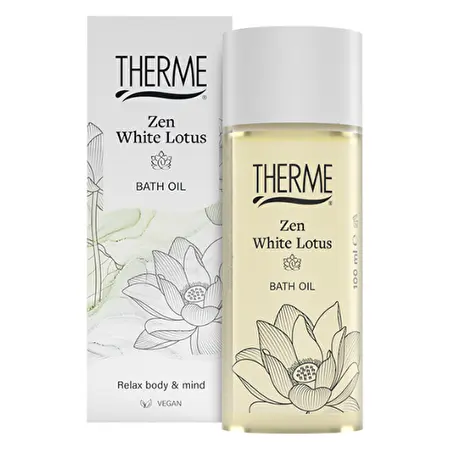
THERME ZEN WHITE LOTUS Bath Oil, 100 ml
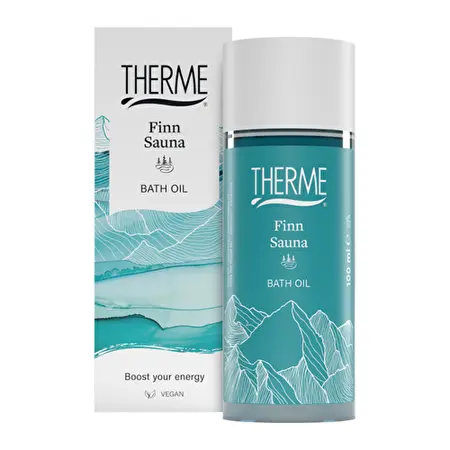
THERME FINN SAUNA Bath Oil, 100 ml
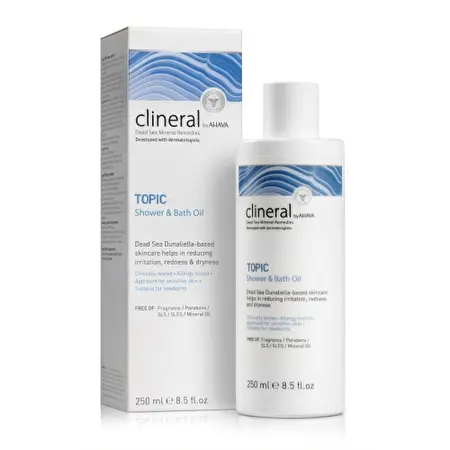
AHAVA CLINERAL TOPIC Shower and Bath Oil
Shower Oils and Bath Oil for Everyday Comfort
When your skin starts to feel tight, flaky, or even itchy after washing, the feeling of being “clean” is no longer enough. Shower oil is designed so that during cleansing the skin is not only washed, but also enveloped in softening emollients that help maintain natural comfort. This choice is especially beneficial during the cold season, after the pool, or after more intense workouts, when skin loses moisture faster. In an e-shop, it’s convenient to choose by fragrance, ingredients, size, or specific needs, making it easy to find an option for the whole family and for different skin conditions.
What is shower oil and how is it different from a gel or soap?
Shower oil is a body cleanser based on an oily formula or an emulsion of oils and mild cleansing agents (surfactants). Unlike regular soap, it usually disrupts the skin’s lipid barrier less, so itching and a tight, dry feeling are less likely to occur after washing. Classic soaps can have a higher pH, while skin is naturally slightly acidic, so pH balance becomes important in a daily routine-especially if skin is prone to irritation. Most modern oil cleansers are formulated with a more skin-friendly pH to make cleansing gentler. Another difference is the sensorial feel: body cleansing oil often turns into a milky texture (“oil-to-milk”) and rinses off without stickiness, leaving a soft feeling. If you prefer a cleaner, “lighter” sensation, you can choose a more foaming option while still keeping the benefits of an oil-based formula.
Who are shower and bath oils for: by skin type and needs
For dry and very dry skin, cleansing oil often becomes an everyday essential: it helps reduce flaking, restores comfort faster, and supports skin elasticity. In this case, it’s worth looking for an oil for dry skin with richer emollients that “lock in” moisture and reduce post-shower discomfort. For sensitive skin, gentle cleansing and a simpler formula matter most, so cleansing oil for sensitive skin is often chosen without intense fragrances and with skin-soothing components. If skin is atopic or prone to eczema, a convenient choice is oil for atopic skin: it helps prevent overdrying during cleansing, reduces the risk of irritation, and helps maintain a more even skin condition between flare-ups. For normal skin, shower oil works well when you want a gentler alternative in winter, after sun exposure, or after the pool, as chlorinated water often dries the skin. Bath oil is especially loved by those who enjoy a short, relaxing bath and want skin to feel soft afterward without additional layers.
How to choose a shower oil: ingredients, pH, and fragrances
When choosing, start with how your skin feels after washing: if you experience tightness, look for a moisturizing shower oil type that combines softeners, soothing ingredients, and mild cleansers. Beneficial ingredients include emollients that help restore comfort, as well as humectants that attract water and help maintain smoothness. Pay attention to pH balance: a more skin-friendly pH is often associated with less discomfort, especially when skin is prone to redness. If your skin is extremely sensitive, it’s better to choose fragrance-free or with a very subtle scent, as strong fragrances can become an additional irritant. Texture also matters: some prefer a more fluid oil, others an “oil-to-milk” emulsion, and others slightly more foaming options that rinse off especially clean. For a quick everyday solution, it’s convenient to shop in the “bath and shower oils” category and filter by skin type, fragrance, size, or family use.
How to use cleansing oil correctly in the shower and bath
In the shower, body cleansing oil works best when applied to damp skin: pour a small amount into your palms, spread it over the skin, gently massage, and rinse with warm-not too hot-water. If your skin is very dry, it’s worth avoiding long showers and opting for a shorter ritual, as this helps preserve the skin’s natural protective substances. In the bath, bath oil can be poured into the water or used directly on the body, but it’s important to remember that surfaces may become slippery, so it’s best to have a non-slip mat. After washing, it’s recommended to pat the skin dry gently without rubbing with a towel, especially if skin is prone to irritation. If skin is very dry or atopic, an additional cream or lotion after washing can help, as it further strengthens barrier support. Frequency can usually be daily, and if skin reacts more sensitively, it’s worth monitoring how it feels and adjusting the routine individually.
Quick shopping checklist
- For dryness: choose an oil for dry skin with richer emollients and mild cleansing agents.
- For sensitivity: cleansing oil for sensitive skin is suitable-ideally fragrance-free or with a very subtle aroma.
- For atopy: prioritize oil for atopic skin, with as few potential irritants as possible and a more skin-friendly pH.
- For use: if you love baths, bath oil is convenient; if you want an everyday option, choose body cleansing oil for the shower.
Frequently asked questions about bath oils (FAQ)
Is shower oil suitable for oily skin?
Yes, but it’s important to choose a lighter-textured product that rinses well and doesn’t leave a heavy feeling. Oily skin can also be dehydrated, so gentler cleansing can sometimes even improve overall comfort. If you feel too much of a “film” after use, choose a more emulsion-type option that turns milky while cleansing.
Does it leave a film, and is that normal?
A light soft feeling is often normal, as emollients create a sense of comfort and help reduce tightness. However, the product should not feel sticky or “unclean”-in that case, try using a smaller amount or a formula that rinses off more thoroughly. If your skin is very sensitive, it’s best to choose a fragrance-free option and observe how skin irritation changes.
Can it be used instead of soap?
Most often, yes: for many people, shower oil can fully replace a regular cleanser in a daily routine. It’s especially convenient for hands, feet, and the whole body when skin dries out quickly. If you like a strong “clean” feeling, it’s worth choosing a formula with gentle foaming.
How to combine it with body scrubs and other products?
It’s best to use a scrub less often and gently, and then choose an oil cleanser afterward so the skin doesn’t experience additional stress. After washing, especially during the cold season, it’s beneficial to apply a lotion or cream to further strengthen the skin’s lipid barrier. If your skin is prone to itching and tightness, it’s worth reducing exfoliation to a minimum.
A choice you can feel right away. Shower oil provides gentle cleansing, helps maintain skin comfort, and reduces the feeling of dryness, making it especially suitable when your skin is “asking” for more softness. Choose according to your skin type, fragrance tolerance, and desired texture-from light emulsions to richer formulas. Convenient filters let you quickly select bath and shower oils according to your needs, while descriptions and customer reviews make the decision even easier. Choose the option that suits you best and enjoy convenient shopping and fast delivery.