Body soap
Body soap gently cleanses the skin, helping to maintain its moisture balance and natural protective barrier. A properly chosen soap provides daily comfort, leaving no feeling of tightness or dryness after washing.
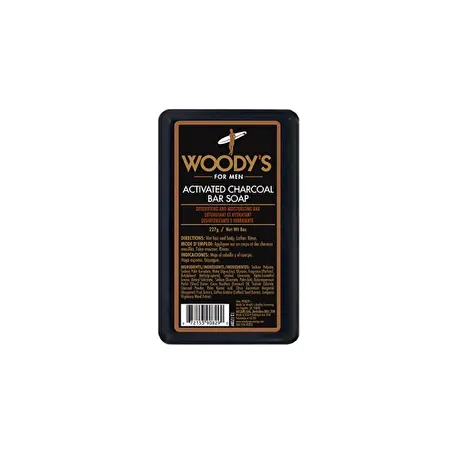
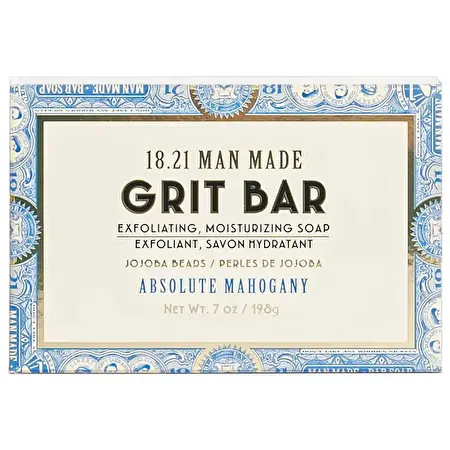
Body Soap: Everyday Cleanliness Starts with the Right Formula
Body soap is one of the essential daily hygiene products, yet its impact on the skin is often underestimated. A properly chosen soap not only removes impurities, but also helps maintain skin comfort, moisture balance, and the natural protective barrier. Unlike harsh cleansers, a high-quality body soap cleanses gently without damaging the skin or leaving a tight feeling after washing.
What Is Body Soap and How Does It Affect the Skin
Body soap is designed to remove dirt, excess oil, and sweat residue that accumulate on the skin’s surface. However, different soaps can work very differently. Traditional soaps made from fats and lye have a stronger cleansing effect, while more modern formulas are often enriched with moisturizing and soothing ingredients. A high-quality body soap works by cleansing the skin while helping to preserve its natural lipid layer. This is especially important for dry or sensitive skin, which reacts quickly to overly strong detergents. That’s why, when choosing a soap, it’s worth paying attention not only to the scent or texture, but also to the ingredients.
Shower Gel or Body Soap: What’s the Difference and What Should You Choose
Different formats offer different experiences, so it’s worth choosing based on your lifestyle and bathroom habits. Shower gel is usually easy to dispense, lathers well, rinses off quickly, and lets you enjoy a wide range of scents-from clean and fresh to sweeter, more comforting notes. Solid body soap appeals with its simplicity and economy, and it often means less packaging; however, it requires a good soap dish so it can dry between uses. Liquid soap is convenient for families and shared spaces, as hygienic dispensing reduces cross-contact, and it’s easy to keep this format by the sink or in the shower.
For travel, body soap is often chosen because it takes up little space and you don’t have to worry about it leaking in your suitcase-especially if you have a sealed case. At the gym, a small-pack shower gel is convenient, while at home, where several people shower, a pump liquid soap is practical. If your skin is more sensitive, the format matters less than the formula and whether the cleanser leaves a tight feeling, so it’s worth checking the pH and moisturizing components. Properly selected body cleansers allow you to have one universal product or several-for different moods and seasons.
Natural and Gentle Cleansers: What to Look for in the Ingredients
When choosing natural body cleansers, you often want clarity: what exactly helps the skin, and what may irritate it. Start with the base-gentle cleansing agents that do not compromise the skin barrier and are compatible with the skin’s pH, because overly aggressive cleansing often ends in dryness and discomfort. Highly valued moisturizing ingredients include glycerin, panthenol, aloe vera, as well as oils or butters that leave the skin feeling softer after a shower. If your skin feels tight, formulas focused on hydration can help, especially if you spend more time in the shower or prefer warmer water. For sensitive skin, more neutral options are often better: fragrance-free or with very subtle scents.
Many people look for “SLS/SLES-free” labeling, because for sensitive skin, some sulfate-type surfactants may be too harsh-although this doesn’t cause issues for everyone. If your skin is prone to irritation, a safer direction is a simpler formula with fewer fragrances and colorants, with an additional advantage if the product is marked “dermatologically tested.” Fragrances and aromas matter here as well: citrus and mint-like scents can feel refreshing in the morning, sweeter ones suit the evening, and neutral scents make it easier to pair with perfume or body lotion. Ultimately, “natural” works best as a guideline, but the real criteria are tolerance, gentle cleansing, and a pleasant feel after rinsing.
Body Scrubs and Exfoliating Products: When and How to Use Them
A body scrub is not the same as daily body cleansers, because its purpose is to remove dead skin cells and smooth the skin’s surface. For most people, exfoliating 1–2 times a week is enough; if your skin is sensitive or prone to redness, it’s better to do it less often and choose finer particles or a gentler formula. Exfoliation is most convenient on damp skin, using gentle motions and paying special attention to elbows, knees, or heels, but without pressure. After exfoliating, it’s worth using a moisturizer, as the skin absorbs products better and it’s easier to maintain comfort and hydration. If you use shower sponges or exfoliating gloves, they can be helpful, but exfoliating too often or too intensely causes irritation for some.
- Daily: choose a gentle shower gel, body soap, or liquid soap based on convenience and how your skin feels.
- 1–2 times/week: a body scrub for smoothness and a more even skin surface, followed by a body lotion or cream.
- Combinations: cleanser + scrub + moisturizing works especially well in winter, after workouts, or before self-tanning.
If you want the simplest possible routine, it’s worth having one daily cleanser and one exfoliating product, and leaving the scent to a body lotion or mist. This combination helps maintain cleanliness, smoothness, and a pleasant skin feel without unnecessarily stressing the skin.
Frequently Asked Questions About Body Cleansers (FAQ)
Can a body cleanser dry out the skin?
Yes, especially if the formula removes too much oil or if you wash with very hot water. In that case, it’s worth choosing gentler body cleansers with moisturizing ingredients and using a body lotion after showering. If your skin is extremely dry, a moisturizing body cleanser with oils or soothing additives is often a better fit. Also pay attention to fragrances: intense scents are not always suitable for more sensitive skin.
What pH is best for daily cleansing?
For most people, the most comfortable option is pH-balanced cleansers that are closer to the skin’s natural pH. This choice more often helps avoid tightness and maintain the skin barrier function. If your skin is sensitive, pH compatibility becomes even more important, especially if you wash frequently.
Is fragrance-free better for sensitive skin?
Often yes, because fragrances and aromas can be an additional irritant. However, mildly fragranced products can work for some if the formula is balanced and the skin tolerates it well. If you are prone to redness, the safer choice is fragrance-free body cleansers for sensitive skin.
What’s the difference between shower gel and liquid soap?
Shower gel is more often formulated for full-body cleansing in the shower, with a variety of textures and scents, while liquid soap is often geared toward frequent use and convenient, hygienic dispensing. Both can be suitable for the body, but it’s worth assessing how the skin feels after rinsing and whether the formula is too harsh for daily use.
How do you choose a cleanser for the whole family?
It’s convenient to choose a more neutral, gentle cleanser with a simpler formula and a subtle scent or no fragrance at all-especially if there are different skin types in the household. Pump liquid soap often works well for shared use, and in the shower you can keep a separate shower gel for those who want a more intense scent. If there is sensitive skin at home, pH compatibility and a “dermatologically tested” label should be the priority.
How should you store a bar soap so it doesn’t get soft?
Body soap lasts best when it can dry quickly after use. A soap dish with holes or slats and a spot where water does not pool works well. If the soap is constantly sitting in water, it dissolves faster and loses its shape.
Choose Body Cleansers Based on Your Skin’s Needs
A good cleanser in everyday life means more than cleanliness: it supports comfort, helps protect the skin’s pH balance, contributes to hydration, and lets you enjoy scents the way you like. For some, a refreshing shower gel works best; for others, a simple body soap or conveniently dispensed liquid soap, and sometimes the ideal combination is a cleanser and a body scrub. If your skin is sensitive, it’s worth choosing gentler formulas, considering SLS/SLES-free labeling, and prioritizing dermatologically tested products. Filter by skin type, scent, or hydration needs and choose body cleansers that will turn your daily shower into a pleasant ritual.