Hair dye
Hair dyes are products that give hair the desired color and help refresh your look, conceal gray hair or regrown roots, making them important for both everyday use and special occasions. In our range, you will find permanent, semi-permanent, and temporary options, as well as gentler formulas for sensitive scalps and spray solutions for quick root coverage.
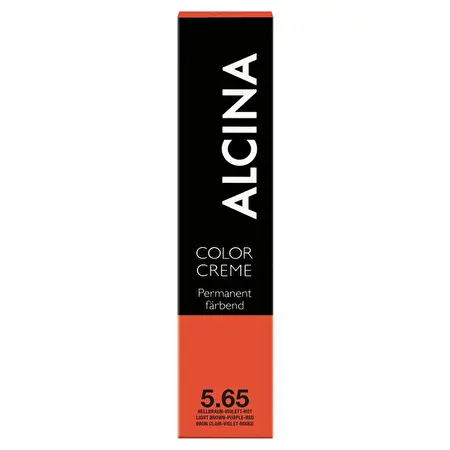
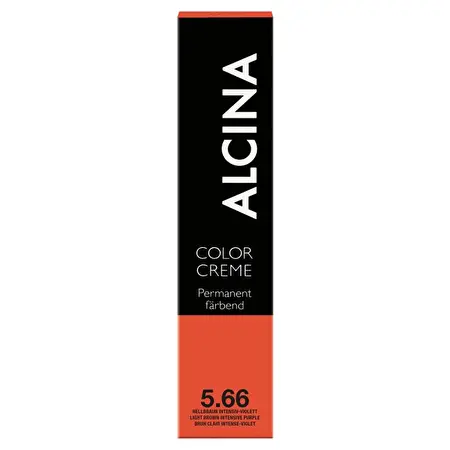
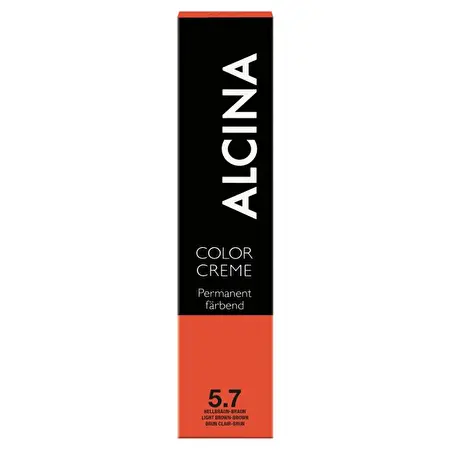

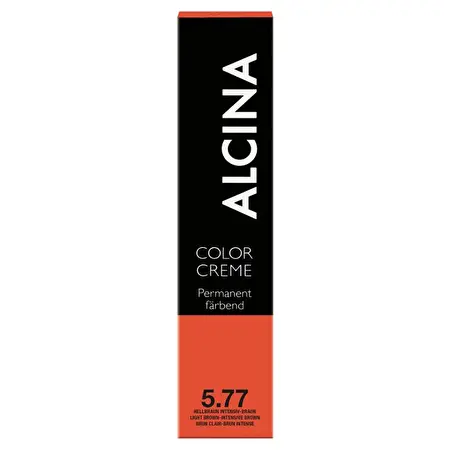
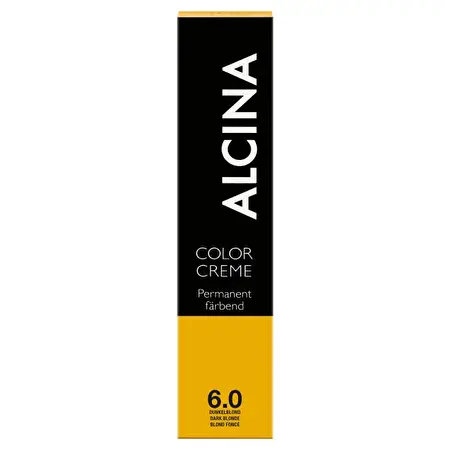

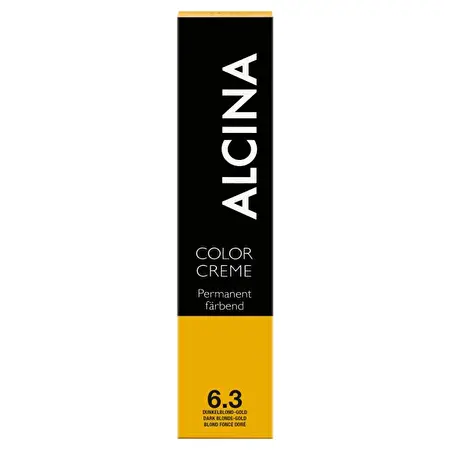
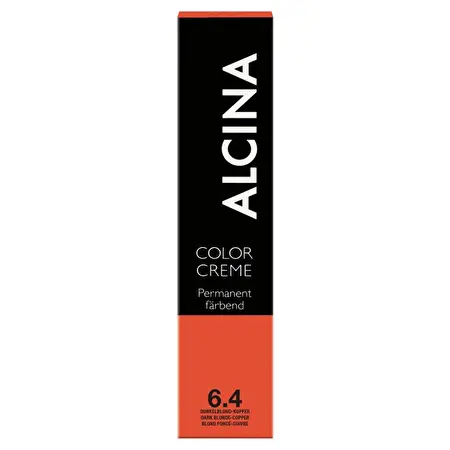
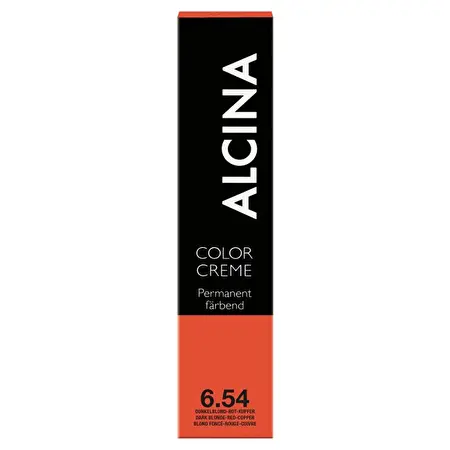



Hair dye: a color that fits your everyday life
When you want to refresh your look, conceal regrowth, or subtly adjust the tone, hair dye becomes the fastest solution with a clear result. For some, the most important thing is strong coverage of gray hair; others are looking for a cool blonde tone without yellowness; and others choose a temporary effect for a celebration or a photo shoot. Today’s high-quality hair dyes offer different formulas-from professional to gentler options, without harsh odors or with less irritating components. It’s convenient when filters make the choice easier by shade, coverage level, ingredients, and dye type, and when additional care products can be added to the cart right away as well.
How to choose hair dye by result: permanent, demi-permanent, and temporary
When choosing hair dye, it’s worth first answering what result you need: maximum coverage, a gentle shade refresh, or a temporary change. Permanent hair dyes (oxidative) are most often chosen when you want stable color, a noticeable change, and reliable gray coverage; they “grip” the hair structure best, but require more attentive aftercare for colored hair. Demi-permanent (demi) dyes are suitable when you want to deepen your existing color, add shine, refresh the tone after coloring, or even out the shade, but without an overly aggressive change. Temporary toning products or wash-out dyes are more often chosen for testing, a brighter accent, or a short-term effect when you don’t want a long-term commitment. For convenient shopping, it’s worth using filters by type (permanent, demi, temporary), coverage, “ammonia-free,” or “for sensitive skin,” and in the product card pay attention to processing time, amount in the package, recommended developer strength, and the declared percentage of gray coverage.
- Permanent: maximum color change, stronger coverage, especially for roots and grays.
- Demi-permanent: gentler toning, a more natural “transition,” perfect for refreshing color.
- Temporary: quick effect, washes out more easily, convenient for experiments.
Hair dye for gray hair: coverage, shade selection, and coloring tips
When the priority is reliable gray masking, the key factors become coverage and shade accuracy. Hair dye for gray hair is most often chosen along two directions: a natural-looking result for everyday wear or a brighter, more noticeable color that refreshes the entire look. When looking for what truly matches the expectation of “the best hair dye for gray hair,” it’s worth assessing the percentage of gray: if there is more gray hair, permanent dyes will be more reliable, and in shades, natural or neutral tones tend to work better, as they don’t leave an overly dark “helmet” effect. A practical rule is that roots usually need refreshing every 3–5 weeks, but this depends on growth speed and the contrast between your natural color and the chosen tone. If you want a gentler feel on the scalp, people sometimes look for natural hair dye for gray hair, but it’s important to be realistic: very gentle or plant-based alternatives do not always provide 100% coverage of graying hair, especially when there is a lot of gray and the hair is coarser. It’s convenient to choose using the “for gray hair” filter, and before buying, check whether the dye claims full coverage and whether the shade has an “N”/natural base, which often helps achieve a more even result.
Hair dye for blondes: how to avoid a yellow undertone and maintain a cool tone
Blonde shades require more precision, because the result depends heavily on the starting base, previous coloring, and porosity. When looking for “the best hair dye for blondes,” it’s important to understand the difference between lightening dye and toning: lightening lifts the level, while toning adjusts the shade, neutralizes yellowness, and brings back the desired cool direction. A yellow undertone most often appears when the hair is not lightened enough or when the color “washes out” and warm pigments show through; ash, pearl, or violet-pigmented tones help then. Choosing a hair color for blondes is often more successful when you rely on numbering: ash dyes usually have a cool direction, while golden dyes are warmer, so it’s worth choosing based on the desired result rather than only the picture on the package. To help the cool tone last longer, color-protecting products and a toning shampoo are useful, and it’s convenient to add them to the cart at the same time, especially if your hair tends to yellow quickly. If you color at home, it’s important not to rush the process and to follow the processing time precisely, because leaving it on longer does not always give a cooler result and can sometimes only dry the hair out and dull the shine.
Natural and gentler solutions: what to choose for a sensitive scalp
“Natural” often means different things: for some, it’s plant-based pigments; for others, gentler formulas; for others, simply a less intense scent or an “ammonia-free” option. For a sensitive scalp, not only the ingredients matter, but also the practice: an allergy test before coloring, avoiding very hot water during coloring, and soothing, moisturizing products after the procedure. Professional hair dyes often have a more precise pigment system and a more predictable result, but even with them it’s worth being cautious, especially if your skin tends to react. If you want a balance between coverage and comfort, high-quality hair dyes with a gentler formula are often chosen, while color intensity is maintained with toning products between colorings. Managing expectations is important: the gentler the solution, the greater the chance the color will last a shorter time or gray coverage will be partial, especially on “glassy” type gray hair. It’s convenient to filter by “ammonia-free,” “for sensitive skin,” or “for toning,” and immediately add the products needed for aftercare for colored hair- a color-sealing conditioner, a mask, an anti-dryness product, and protective gloves.
- Before coloring: perform an allergy test, do not wash your hair with an aggressive shampoo on the same day, prepare a protective barrier for the skin along the hairline.
- After coloring: choose products for colored hair, avoid hot water, limit the use of heat tools without protection.
Hair color sprays and other quick solutions: when it’s worth it and how to use
When time is short and regrowth is already visible, hair color sprays become a practical “in-between” solution. They are especially suitable for quickly concealing regrowth before a meeting, trip, or celebration, and they also help visually densify the parting when you want a neater look. When spraying, it’s important to keep your distance, spray on dry hair, start with a smaller amount, and let the product dry so it transfers less onto hands or clothing; it’s worth covering your shoulders with a towel or protective cape. For a more natural-looking result, it helps to choose a shade as close as possible to the root color and lightly run a comb through after spraying, if the manufacturer allows it. Keep in mind that rain, sweat, or very light-colored fabrics can be a challenge, so this type of product is intended more for a short time, not for an entire week. Between colorings, it’s a convenient add-on alongside permanent dyes, and it’s worth adding gloves, a brush for more precise application, and a gentle shampoo to the cart so the temporary pigment washes out easily.
Hair dye works best when the choice matches the goal: full gray coverage, maintaining a cool blonde tone, a gentler formula for sensitive skin, or quick root concealment. When searching for your option, it’s worth comparing coverage promises, shade numbering, processing time, and how much aftercare will be needed after coloring, because that is often what determines shine and color longevity. “Best hair dye reviews” also make the decision easier-it’s worth evaluating them based on a similar hair type, amount of gray, and desired tone, rather than only the overall rating. Browse the assortment, use filters by type, shade, and ingredients, and choose the hair dye that helps you feel confident every day.