What is bioceutical cosmetics and how does it differ from conventional cosmetics?
Bioceuticals for the skin are cosmetics in which active ingredients are selected and concentrated in the same way as in pharmaceuticals. The difference is simple. A classic cream usually moisturizes the surface, while a bioceutical formula works in the deeper layers of the skin and addresses a specific concern—signs of aging, redness, dryness, or pigmentation.
Does this mean that bioceuticals are suitable only for problematic skin? No. Our cosmetologists see that therapeutic facial cosmetics are also chosen by those with healthy, young skin who want to maintain skin tone and radiance for longer. The formulas are gentle yet active.
What Ingredients Make Bioceutical Cosmetics So Effective?
The power of bioceuticals lies in three layers of ingredients: biotechnological components, active botanical extracts, and dermatological active ingredients. When combined in a single formula, their effect on the skin becomes more targeted.
Biotechnological Ingredients
Biotechnological ingredients are obtained in a laboratory through controlled fermentation or cell culture methods. We are talking about peptides, growth factors, exosomes, and biofermented hyaluronic acid. They have a highly pure structure, so the skin accepts them without additional irritation. Peptides stimulate collagen production. Growth factors help the skin renew itself. Exosomes transmit restorative signals to cells.
Active Botanical Extracts
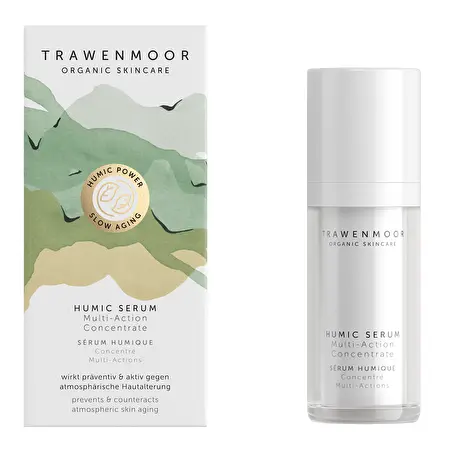
Active botanical extracts are not simply oils from herbs. In bioceuticals, they are standardized, meaning each bottle contains exactly the same amount of active substances. Centella asiatica soothes and strengthens capillaries. Green tea polyphenols protect against oxidative stress. Humic acids from peat and moss nourish the skin with minerals and reduce inflammation.
Dermatological Active Ingredients
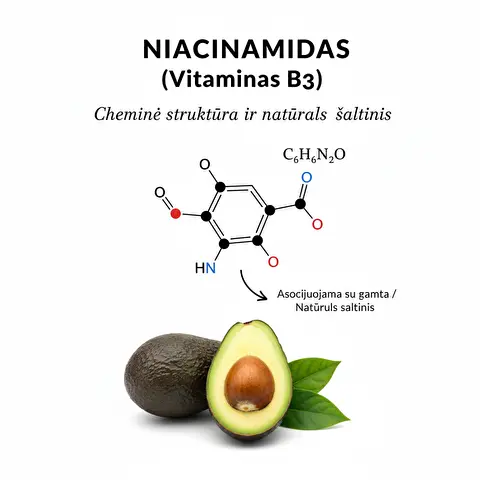
The third layer consists of classic dermatology favorites. Niacinamide, retinol, azelaic acid, vitamin C, AHA and BHA acids. In bioceuticals, they are often used in lower concentrations but in more stable formulas, so they work more gently, without troublesome skin sensitivity. Want a more detailed ingredient comparison? We recommend reading about 2025 skincare ingredients to understand which ones are most important for you.
Why does all this matter to the consumer? Because a bioceutical formula does not work blindly. It addresses a specific problem with a specific dose. Like medicine, only gentler.
How can you tell whether biocutical cosmetics are truly suitable for your skin? Our cosmetologists recommend starting with one key product—most often a serum—and observing your skin for 4–6 weeks. This is exactly how much time is needed to see a real change, rather than just the moisturizing effect of the first few days. Clients often rush to buy the entire line at once, but the skin responds better when we introduce new active ingredients gradually. At first—every other evening. Later—daily. If the skin becomes red or itchy, we reduce the frequency rather than giving up the product completely.
How to incorporate bioceutical cosmetics into your daily routine?
Start with a diagnosis, not with a product. Ask yourself what your main skin concern is at the moment - dryness, sensitivity, aging, or uneven tone. Bioceutical cosmetics work best when you choose one direction and stick to it.
A morning routine is simple: a gentle cleanser, an antioxidant serum with vitamin C or polyphenols, a moisturizer, and SPF. An evening routine requires more attention. After cleansing, use a serum with active ingredients - peptides, retinol, or humic acids - and finish with a nourishing cream.
Can you mix several serums? Yes, but carefully. Do not apply acids and retinol together. Leave vitamin C for the morning, retinol for the evening. Peptides and hyaluronic acid pair well with almost everything. If you want to create a complete care ritual, it is worth reviewing facial care products and choosing products that complement each other rather than compete.
Patience is the most important ingredient. The skin renews itself in 28 days, while deeper changes become visible after 2-3 months.
Three bioceutical cosmetic recommendations for your routine
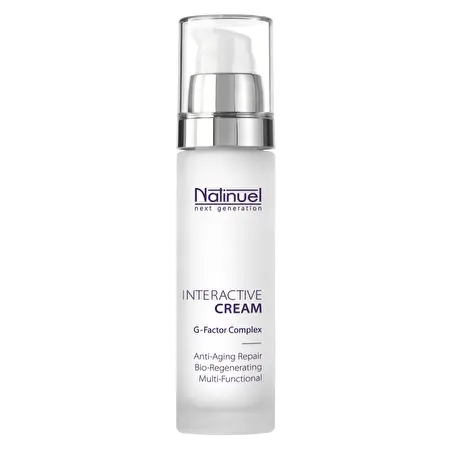
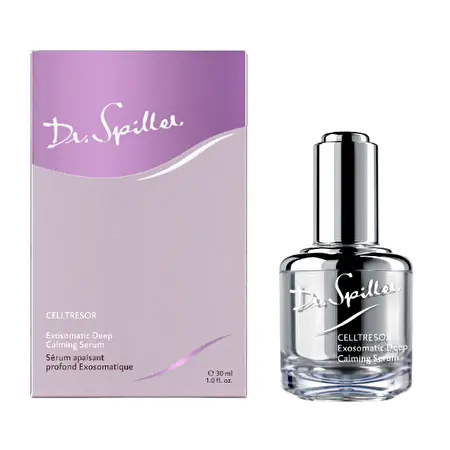
Which products best reflect the philosophy of bioceuticals? We have selected three different options—one for rejuvenating care with growth factors, another for sensitive skin with advanced biotechnology, and a third for concentrated care with active ingredients of organic origin. Each of them shows how active plant extracts and laboratory formulas can work together.