Skincare Ingredients 2026: Retinol, Niacinamide, Peptides
Why is it important to know skincare ingredients in 2026?
Cosmetic labels are getting longer, and customers are increasingly asking the same question: “What does this ingredient actually do?” The answer is simple. Modern serums and creams work because they contain specific active ingredients, not because of attractive packaging.
In 2026, five ingredients dominate professional cosmetics: retinol, niacinamide, peptides, hyaluronic acid, and vitamin C. Each of them addresses a different concern - from wrinkles to lack of hydration. Our cosmetologists see that once customers understand these five names, they shop much more precisely and notice changes in their skin faster.
How Do Key Skin Care Ingredients Work?
Each ingredient has its own role. Don’t expect one serum to solve everything—that is exactly why a professional routine is based on 2–3 purposefully selected products.
Retinol – the Gold Standard in Anti-Aging
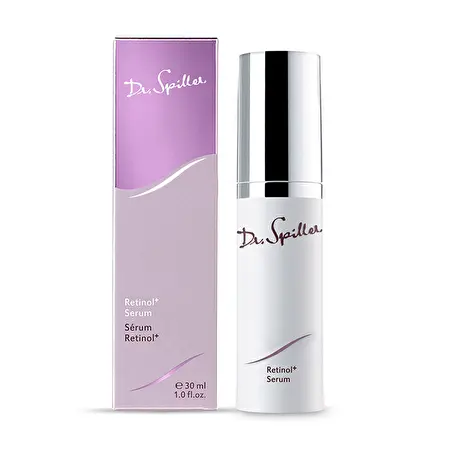
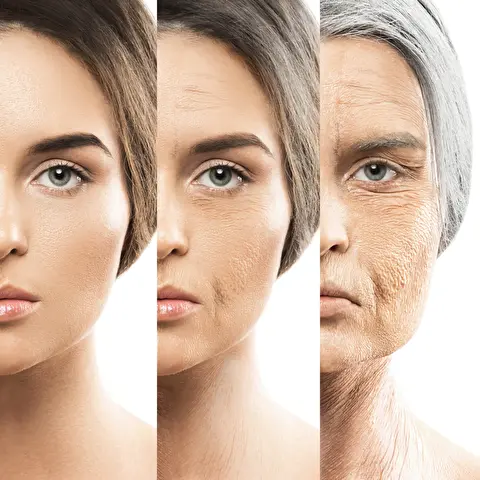
Retinol for the skin is a vitamin A derivative that stimulates cell renewal and collagen production. After 8–12 weeks of use, the skin becomes smoother, wrinkles appear shallower, and pores are less visible. Retinol is used only in the evening, as it is sensitive to sunlight. For beginners, we recommend a 0.1–0.3% concentration 2–3 times per week. Those who want to explore the topic in more depth can find more in the article “anti-aging ingredients”.
Niacinamide – a Universal Choice
Niacinamide for the face is suitable for almost all skin types. It reduces redness, regulates sebum production, brightens pigmentation spots, and strengthens the skin barrier. An effective concentration is 4–10%. Unlike retinol, niacinamide does not irritate the skin and pairs well with almost all other ingredients. That is why in 2026 it became the “starter” ingredient for those just beginning a more serious skin care routine.
Peptides – a Signal for the Skin to Produce Collagen
Peptides in cosmetics are short chains of amino acids that “ask” the skin to produce more collagen and elastin. They work more gently than retinol, making them suitable for more sensitive or mature skin for which retinol is still too strong. Peptides and collagen are often confused—we discuss the differences in more detail in the article collagen and peptides.
Hyaluronic Acid – a Moisture Magnet
Hyaluronic acid binds up to 1000 times its weight in water. It does not change the structure of the skin, but instantly restores comfort, firmness, and radiance. Suitable for everyone—from teenagers to mature skin. It works best on damp skin before applying cream.
Vitamin C – Brightening and Protection
Vitamin C (most commonly L-ascorbic acid) neutralizes free radicals, brightens the complexion, and enhances the effect of sunscreen. It is used in the morning at a concentration of 10–20%. It pairs perfectly with niacinamide and hyaluronic acid.
Why do five serums work worse than two? Our cosmetologists see clients every day who try to “provide” their skin with everything at once—vitamin C in the morning, followed by niacinamide, then peptides, and retinol with AHA in the evening. The skin cannot withstand such a burden. We recommend starting with two ingredients: niacinamide in the morning and retinol or peptides in the evening. Hyaluronic acid can be used both times. Add vitamin C after 4–6 weeks, once you see how your skin reacts. Fewer products mean a clearer change and a lower chance of irritation.
How to Combine Ingredients in Your Morning and Evening Routine?
A morning routine focuses on protection, while an evening routine focuses on renewal. This difference determines which ingredients you choose.
Morning: cleanser, vitamin C or niacinamide, hyaluronic acid, moisturizer, SPF 30-50. Vitamin C enhances the protection of sunscreen, while niacinamide soothes the skin before the day ahead. These two ingredients can be used together or alternately.
Evening: cleanser, retinol or peptides, moisturizer with hyaluronic acid. Introduce retinol slowly - 2 times per week, gradually increasing to 4-5 times. On the days when you do not use retinol, apply peptides or a soothing serum.
What should not be combined at the same time? Retinol and AHA/BHA acids in one step - too much irritation for the skin. Also avoid using vitamin C and retinol together - they work better separately, in the morning and evening. All these recommendations apply to serums and creams that you will find in the facial care products section.
Recommended products for your routine
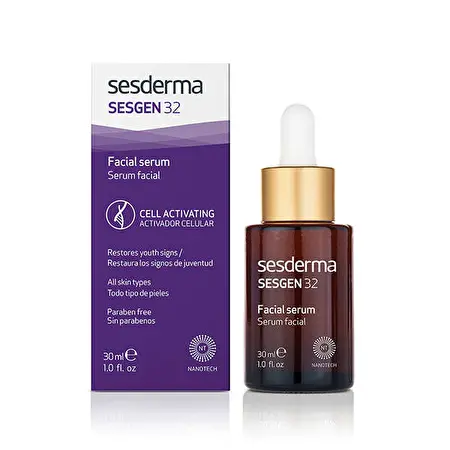
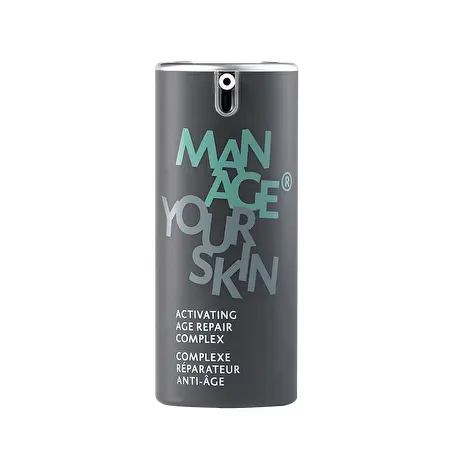
To make it easier to get started, our cosmetologists have selected three products that reflect the trends of 2026: retinol for mature skin care, an active ingredient complex to promote cell renewal, and a 24-hour cream for everyday comfort. This combination is suitable both for beginners and for those who want to improve their existing routine.