Enlarged pores: what really works (acids, retinol, clay)
Enlarged pores: what really works (acids, retinol, clay)
Enlarged pores are a visual concern influenced by several factors: excess oil, keratin buildup, reduced skin elasticity, and even genetically determined pore size. It’s important to understand that pores have no muscles, so it’s impossible to physically “close” them, but it is possible to reduce their visibility and tendency to clog. Properly chosen ingredients help clear pores, balance sebum, and improve the smoothness of the skin’s surface, making pores look smaller. The key is consistency-a gentle but targeted routine and a few science-backed choices. If you’re looking for targeted products, it’s worth browsing the dedicated section Enlarged pores, where it’s easier to build your cart based on your needs.
Enlarged pores are often confused with temporary skin changes after heat, exercise, or heavy creams, but these are different things. When overheated or after a workout, pores may look more pronounced due to circulation and sweat, but true pore size is related to structural characteristics. In addition, the condition of the skin barrier matters: irritating products can trigger inflammation, which optically makes pores appear larger. That’s why the goal is to reduce clogging, regulate sebum, and at the same time protect the barrier, avoiding aggressive exfoliation or dehydration. Next, we’ll discuss which ingredients do this best.
Niacinamide: sebum balance and a smoother surface
Niacinamide, or vitamin B3, is one of the most versatile ingredients when aiming to manage enlarged pores. It helps normalize oil production, gently soothes, and strengthens the skin barrier, so the surface texture gradually improves. This combination is especially beneficial for combination and oily skin prone to T-zone shine and blackheads. It’s important to choose a concentration your skin finds comfortable: 4–5% works very well for many, while 10% and above may be better reserved for more tolerant, more problem-prone skin. If you’re looking for an easy way to introduce it, niacinamide is convenient in a serum format, and you can find such formulas in the Face serums and concentrates section.
Niacinamide also pairs well with other pore-care components because it rarely causes irritation. Together with BHA, it helps reduce congestion, and with retinol it supports the barrier and calms the sensitivity that sometimes occurs when starting a retinoid course. Keep in mind that the effect on pores isn’t instant: the first visible changes are usually noticed after a few weeks of consistent use. In the morning, niacinamide works well after cleansing and before SPF; in the evening, after an acid or retinol-if those are used on separate nights. This discipline helps maintain a balance between efficacy and tolerability.
BHA acid: the gold standard for deep pore cleansing
BHA, or salicylic acid, is oil-soluble, which allows it to penetrate into the pores and dissolve plugs of sebum and keratin. That’s exactly why BHA is considered the gold standard when we talk about clogged and visibly enlarged pores in the T-zone. Regular use reduces blackheads, evens out texture, and delivers a cleaner, less shiny look. A 1–2% concentration suits many people, while frequency depends on skin sensitivity-from a few times per week to daily. If your skin tends to get dry, using BHA two or three evenings per week is enough, paired with hydration and barrier-supporting ingredients.
BHA can be used as a toner, lotion, or serum, but technique matters: apply to clean, dry skin and wait a few minutes so the acid can work undisturbed. Then apply a lightweight serum or cream; avoid too many layers that can clog pores and reduce results. Every skin type is different, so watch how your skin responds and don’t rush to increase frequency if you see redness or flaking. Avoid aggressively combining BHA with strong physical scrubs or rough towels, because irritation optically increases pore visibility. Sun protection is essential even on cloudy days, as exfoliation increases UV sensitivity.
- Start with 1–2 times per week and assess your skin’s tolerance.
- Avoid using on the same day as strong exfoliants or procedures.
- After BHA, always apply a moisturizing cream and during the day-SPF.
Retinol and retinoids: rebuilding structure from the ground up
Retinol works differently than BHA: it accelerates cell turnover and stimulates collagen synthesis, so over time skin becomes smoother and firmer. As the surface refines, pores look neater, comedones decrease, and tone irregularities improve. Retinol results typically appear after a few months, so it’s a long-term investment rather than a quick fix before an important event. At the start, choose a lower concentration and use a sparse schedule, for example every third night, pairing it with niacinamide and gentle hydration. If your skin is very sensitive, consider the “sandwich” method-apply over a cream, or apply a thin layer of cream both before and after retinol.
Retinoids increase sun sensitivity, so diligent daytime SPF protection is essential and, if possible, spend more time in the shade. If you also use BHA, plan separate nights or use a “rotation” strategy based on tolerance to avoid barrier damage. Retinol’s benefits are enhanced by consistent hydration and gentle cleansing, because an irritating routine can erase some of your progress. Avoid excessive layering with fragranced oils or heavy balms if you’re prone to comedones. This thoughtful approach lets you enjoy a smoother reflection in the mirror without unnecessary stress on the skin.
Clay masks: instant help, but not long-term therapy
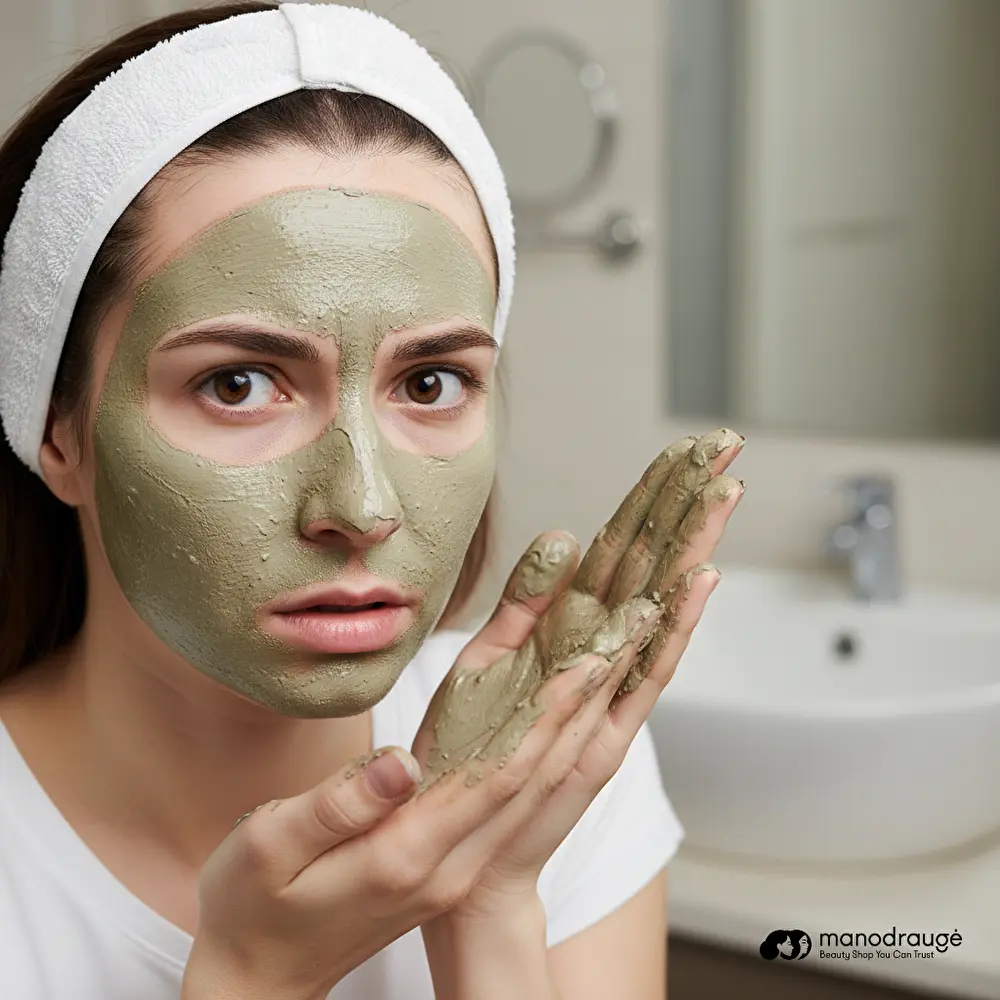
Clay masks are a great choice when you need a quick visual mattifying effect before makeup or a photoshoot. Clay absorbs excess sebum, reduces shine, and temporarily tightens the look of pores, so skin appears smoother. However, a clay mask doesn’t dissolve plugs deep inside pores or change their structure, so leave the long-term work to BHA and retinoids. To avoid drying out the skin, don’t leave the mask on until it’s completely dry, and choose formulas with hydrating additions, such as glycerin or allantoin. This kind of preventive approach lets you enjoy the benefits without overburdening the skin and keeps the barrier stable.
It’s best to apply the mask only on the T-zone or locally where you see more pronounced shine, rather than drying out the entire face. After the mask, use a lightweight serum with niacinamide or hyaluronic acid to restore comfort. Avoid doing it daily-once or twice a week is usually enough, especially if BHA is already in your routine. Clay masks work well in evening routines before events when you want a short-term “soft focus” effect. Smart use is what separates a quick aesthetic touch-up from over-dried, sensitive skin.
The most common mistakes when caring for enlarged pores
One of the most common mistakes is aggressive exfoliation, hoping to “tighten” pores with harsh scrubs or stiff sponges. This tactic causes micro-irritation, redness, and can stimulate even more sebum production, making the problem worse. Another mistake is overly heavy, comedogenic creams or primers that clog pores over time and thicken the surface. It’s also incorrect to think oily skin doesn’t need hydration: dehydration triggers compensatory shine and uneven texture. Finally, inconsistent use-several weeks of enthusiasm followed by a break-doesn’t deliver the long-term results that enlarged pores require.
- Cleanse your face twice a day, but avoid harsh sulfate-based cleansers.
- Choose non-comedogenic, lightweight-texture products with clearly stated active concentrations.
- Don’t exfoliate with physical scrubs if you already use BHA or retinoids.
- Always use SPF, as UV damages collagen and increases the appearance of pores.
- Don’t layer too many products; fewer, but more targeted, is more effective.
- Change pillowcases regularly and clean your phone to reduce transfer of impurities.
Routines for different skin types: how to build a practical plan
For oily, porous skin
In the morning, start with a gentle gel cleanser, then use a niacinamide serum and a lightweight, fast-absorbing moisturizer. Finish with a mattifying SPF that doesn’t clog pores and doesn’t conflict with makeup. In the evenings, introduce 1–2% BHA every other day; on the nights in between, focus on hydration and, if you tolerate it, use retinol on alternate days. Once a week, you can apply a clay mask to the T-zone briefly for a quick “tidy” effect. This schedule helps control shine, reduce plugs, and support the barrier without breaks.
For combination skin
Combination skin benefits from a zoned approach: apply BHA only to the T-zone, and choose hydrating, barrier-strengthening serums for the cheeks. In the morning, niacinamide will provide a light mattifying effect, and SPF will complete the routine without a greasy film. In the evenings, rotate BHA and retinol so that on more sensitive areas retinol is used less often or with the “sandwich” method. Use a clay mask only where it’s truly needed, so you don’t dry out calmer areas. This strategy balances different parts of the face without sacrificing comfort.
For dry or sensitive skin
For dry skin, the barrier is the priority, so BHA once or twice a week is enough, and retinol should be introduced very slowly. In the morning, apply a hydrating serum; you can pair it with a lower-concentration niacinamide, which helps manage the look of pores without irritation. In the evenings, after cleansing, choose creams with ceramides, squalane, or panthenol to reduce tightness and flaking. If you use a mask, keep it brief and limited to a minimal area to avoid over-drying. This thoughtful regimen helps address enlarged pores without overburdening sensitive skin.
Cleansing, moisturizing, and SPF: the irreplaceable pillars of a pore routine
Although we emphasize actives, daily cleansing and sun protection have just as much impact. Even the most effective BHA or retinol plan will lose some results if you don’t use SPF every day, because UV damages collagen and deepens texture irregularities. Choose cleansers without strong sulfates or fragrances so you don’t compromise the barrier, which protects against reactive shine and redness. Hydration is especially important because dehydrated skin looks rougher, making pores more noticeable. When you consistently combine these pillars, visual changes become more stable and easier to maintain.
If simplicity is the priority, choose one main active (e.g., BHA) and one barrier ally (e.g., niacinamide), and introduce retinol only when your skin feels calm. This minimalist approach helps avoid mistakes and gives you more control, especially for beginners. It also makes it easier to understand which product helped and which didn’t, so adjusting the plan is simpler. Once you feel stable, you can add a clay mask for special occasions or retinol for long-term smoothing. Remember-the goal isn’t to have many products, but to have the ones that work for your specific needs.
When it’s worth seeing a specialist
If enlarged pores are accompanied by frequent inflammatory breakouts, scarring, or pigmentation spots, at-home products may not be enough. A dermatologist or cosmetologist can assess whether stronger retinoids, professional peels, or device-based procedures are needed. Specialists also help create a personalized routine that takes into account your skin type, work, climate, and budget. A visit is especially worthwhile if you notice persistent irritation or if results plateau despite your efforts. A professional perspective saves time and reduces uncertainty when you want to sustainably manage the appearance of enlarged pores.
A quick actives guideline: how to combine them so they work
If you want a simple routine that’s easy to remember, follow the rule “one active per evening.” Dedicate one night to BHA for pores and blackheads, and the next to retinol for long-term texture smoothing. Niacinamide can be used both morning and evening to stabilize the barrier and gently mattify, while the clay mask can be reserved for an occasional, quick effect. Avoid excessive variety and don’t forget daily SPF, because without it, pore care loses part of its purpose. This consistent, rational approach most often brings visible yet subtly natural-looking results.
Finally, it’s worth remembering that enlarged pores are a normal, physiological feature whose purpose is to bring sebum to the surface-not a flaw that needs to be “eliminated.” The goal is healthier, smoother, more balanced skin, not a camera filter in real life. By choosing niacinamide, BHA, retinol, and a smart clay mask, you create a solid, science-backed foundation to reach that goal. With commitment to consistency and sun protection, you’ll usually see a cleaner reflection after a few weeks, and after a few months-smoother, more refined skin texture. If you need more ideas, return to the Face serums and concentrates section, where it’s easy to filter by texture and needs.