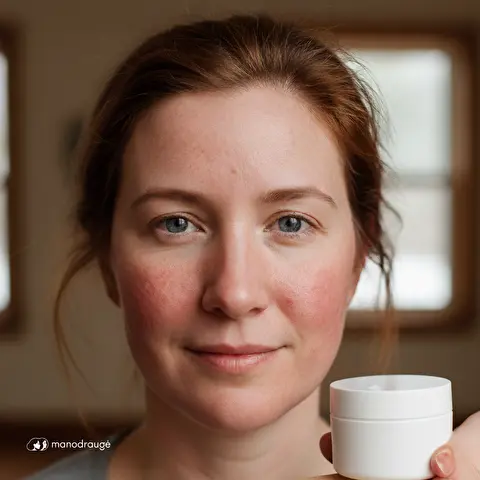
Why Does the Face Turn Red?
Facial redness is a fairly common skin condition. In many cases, it is caused by blood accumulating in small capillaries beneath the epidermal layer. However, the causes can vary greatly.
- Rosacea - this is a chronic skin condition that causes redness and visible blood vessels on the face. It is often confused with acne or sunburn. It is a separate condition that requires the help of a dermatologist to treat.
- Sunburn. Excessive sun exposure causes facial skin redness and peeling. This type of redness usually disappears within a few days. However, repeated sunburn accumulates and over time damages the skin’s structure, which is why sun protection is necessary even on cloudy days.
- Allergic reactions. For some people, facial redness occurs as a reaction to certain skin care products or food. This type of redness is accompanied by itching and swelling. It disappears once the allergens are removed. Read more about this in our article on the most common allergic skin reactions.
- Alcohol dilates blood vessels. That is why the face becomes red and flushed after alcohol consumption. Those who notice this regularly should consider reducing their intake.
- Emotional stress increases blood circulation in the face. This type of redness is usually temporary and disappears once you relax. However, if you experience stress constantly, the skin reacts chronically.
Treatment Depends on the Cause.
Treatment for facial redness primarily depends on the underlying cause of its appearance. Here are some possible treatment methods:
- Protecting the skin from further sun exposure after sunburn: In the case of sunburn, it is important to protect the affected skin from further sun exposure. This can be done by using broad-spectrum sun protection with a high SPF, wearing a wide-brimmed hat, and staying in the shade during peak sunlight hours. The affected skin should also be treated with soothing lotions for relief.
- Topical and oral medications may be used to treat rosacea, helping to control redness and inflammation. Topical medications include creams, gels, and lotions containing ingredients such as metronidazole, azelaic acid, and ivermectin. Oral medications include antibiotics such as tetracycline and doxycycline, which can help reduce inflammation and redness.
- In the case of an allergic reaction, avoiding allergy triggers can help prevent facial redness. Over-the-counter antihistamines can also be used to reduce itching and swelling. Read more about what allergic reactions can occur here.
- It is also important to maintain a healthy lifestyle—drink plenty of water, eat a balanced diet, manage stress, and avoid alcohol, spicy foods, and hot drinks, which can intensify the appearance of facial redness.
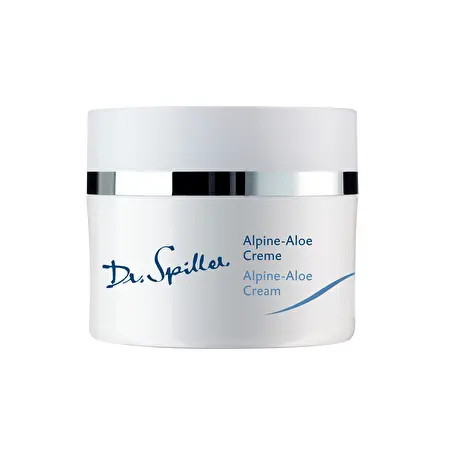
Do you know why skin prone to redness reacts worse in winter? Indoor heating dries out the air, and sudden temperature changes—from a warm room to the cold outdoors—provoke the dilation of capillaries. In such cases, our cosmetologists recommend a cream with aloe and humic acids. These ingredients soothe the skin immediately, while long-term use strengthens the capillary walls.
How to care for redness-prone skin daily?
The right question is not “how to quickly hide redness,” but “how to reduce it in the long term.” The answer is a consistent daily routine with the right ingredients.
- Niacinamide (vitamin B3) strengthens the skin barrier and reduces redness. A 5% concentration is enough for a noticeable effect, which you will see within 4–6 weeks. You can find more about this ingredient in our article “Niacinamide for skin: what it is needed for and how to combine it.”
- Azelaic acid regulates inflammation and soothes the skin. It is suitable both for rosacea and for redness left after acne.
- Aloe vera moisturizes and soothes instantly.
- Humic acids—a less commonly known but highly effective ingredient from peat bogs—strengthen capillaries and reduce reactivity.
The main rule: avoid harsh cleansers, alcohol-based toners, and strong acids. Redness-prone skin requires gentleness.
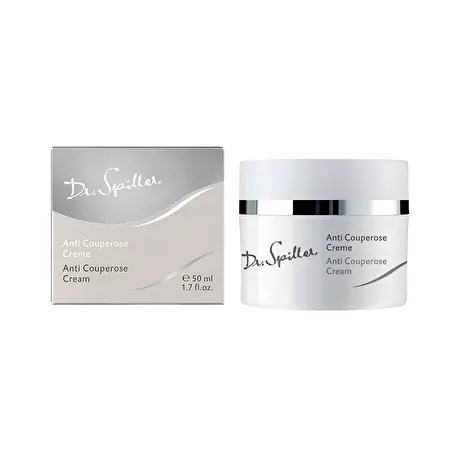
Recommended products for redness-prone skin
When to See a Dermatologist?
If facial redness does not go away for a long time and interferes with everyday life - it is time to see a dermatologist. The doctor will determine the exact cause and create a treatment plan.
In some cases, redness may indicate a more serious condition - lupus or a skin infection. The dermatologist will perform an examination, review your medical history, and may suggest more advanced treatment methods: laser therapy or photodynamic therapy.
It is important to understand: facial redness is a manageable condition. Proper care and professional help allow you to regain confidence in your appearance.