Why Is Face Cream the Most Important Step in Skin Care?
Face cream performs three functions: it moisturizes, strengthens the skin barrier, and helps active ingredients work for longer. Without it, even the best face serum quickly evaporates, leaving the skin vulnerable to wind, cold, and UV rays.
And the wrong cream? Even worse than none at all. Creams that are too rich cause breakouts on oily skin. Creams that are too light for dry skin lead to tightness and flaking. Our cosmetologists see this every week: a client would come in with “problem skin,” when in fact the problem was the wrong cream. That is why the first step is to determine your skin type.
How to Determine Your Skin Type at Home?
A simple test you can do this evening. Wash your face with a gentle cleanser. Do not apply anything - no toner, no cream. Wait one hour. Then look in the mirror.
Does your skin feel tight and “stiff”? Dry skin. Is your face shiny, especially the forehead, nose, and chin? Oily skin. Are your cheeks dry, but the T-zone oily? Combination skin. And if your skin becomes red or itchy from any new product - sensitive skin. Why is this important? Because each type requires a different cream.
Which Face Cream Is Suitable for Your Skin Type?
For Dry Skin
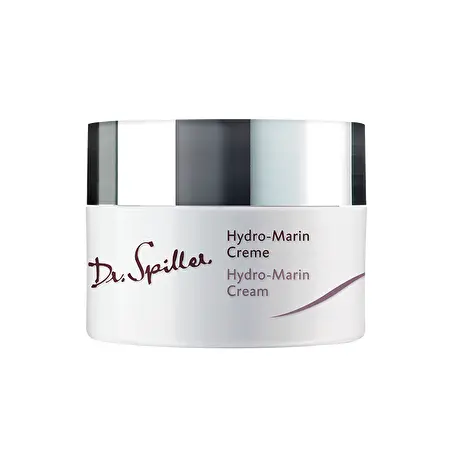
You need a cream with a richer texture and barrier-restoring ingredients. Look for ceramides, hyaluronic acid, and natural oils in the formula. These components lock moisture on the skin’s surface. The effect is felt immediately. For dry skin, we recommend Dr. Spiller Hydro-Marin Cream - ceramides with marine extracts, moisturizing until the evening.
For Oily and Combination Skin
Oily skin needs lightness. Avoid heavy textures - choose gel or fluid creams with niacinamide. It regulates sebum and tightens pores. Do you know the most common mistake? Those with oily skin avoid moisturizing. But oily skin that is not moisturized produces even more oil - it is a vicious cycle. For combination skin, a light emulsion is suitable, moisturizing drier areas without weighing down the T-zone.
For Sensitive Skin
Sensitive skin reacts to everything: fragrances, alcohol, preservatives. Choose fragrance-free creams with bisabolol, allantoin, or azelaic acid. The shorter the ingredient list - the better. In our practice, Dr. Spiller Alpine-Aloe Vera Cream is excellent for sensitive skin - a minimalist formula that soothes even highly reactive skin.
For Mature Skin
After 40, skin needs more than hydration. It needs active anti-ageing components: peptides stimulate collagen production, retinol accelerates renewal, and vitamins C and E protect against oxidative stress. In the evening - an intensive restorative cream. In the morning - a lighter texture with SPF.
Day and Night Cream - Do You Need Both?
In short - yes. Day cream protects: SPF, antioxidants, light texture. Night cream restores: retinol, peptides, richer consistency. If your budget is limited, invest in a good day cream with SPF, and in the evening use a restorative serum under a light moisturizer.
Do you choose a cream based on advertising or a friend’s recommendation? This is the most common mistake. Before buying, ask yourself three questions: is my skin dry, oily, or sensitive? What age is this cream intended for? Does it have SPF protection for daytime use? No matter how much the cream costs, if it is not suitable for your skin type, it is money wasted.
How to Apply Face Cream Correctly and How to Adjust It According to the Season?
Technique is no less important than the cream itself. Apply to damp skin—immediately after facial cleansing and serum, while the skin is still wet. This helps “lock in” moisture and makes the effect stronger. How much? A pea-sized amount. Distribute it on the forehead, cheeks, nose, and chin, then gently spread it from the center outward. Don’t forget the neck and décolleté—these areas age faster than the face, yet most women ignore them.
In the morning, always finish with SPF protection. In the evening—with a restorative night cream.
And one more tip that our customers often forget—it's worth changing your cream according to the season. In summer, choose a lightweight texture with SPF, as the skin produces more oil when it sweats. In winter, switch to a richer cream with ceramides or shea butter—indoor heating and cold weather dry out the skin twice as much. Autumn is a good time to start intensive hydration with hyaluronic acid, while spring is ideal for restorative creams with antioxidants after the stress of winter.
Recommended products