Why Is It Important to Know Your Skin Type?
Skin type determines which cream texture will feel comfortable for you, how much moisture the skin absorbs, and how it reacts to active ingredients. Without this information, skincare becomes guesswork. Customers often buy expensive products that simply are not suitable for their skin.
There are five main skin types: normal, dry, oily, combination, and sensitive skin. Each has its own characteristics and skincare approach. When you understand what you are working with, your routine becomes simpler and more consistent. Fewer products, more benefits.
What Are the Main Skin Types?
Let’s discuss each type separately. This makes it easier to identify your own.
Normal Skin
Normal skin looks even, pores are barely visible, and the balance of oil and moisture is stable. It rarely flakes and rarely looks shiny. Customers with this skin type usually have the fewest complaints, but it still needs consistent care—hydration, sun protection, and gentle cleansing.
Dry Skin
Dry skin produces less oil, so it quickly loses moisture. After washing, it feels tight, sometimes flakes, and fine dryness lines may appear. In winter, the condition usually worsens. This skin type needs richer textures, ceramides, hyaluronic acid, and creams that strengthen the barrier.
Oily Skin
Oily skin produces too much oil, usually in the T-zone and on the cheeks. Pores are larger, the skin becomes shiny after just a few hours, and pimples and blackheads appear more often. Drying out this skin type with harsh cleansers is a mistake—this only increases oil production even more. Lightweight gels, niacinamide, and salicylic acid are suitable.
Combination Skin
Combination skin is perhaps the most common. The T-zone (forehead, nose, chin) is shiny, while the cheeks feel normal or even slightly dry. The challenge is to balance both areas without overdoing it. Often, a lighter face cream and slightly richer targeted hydration for the cheeks are enough.
Sensitive Skin
Sensitivity can accompany any of the types mentioned above. It reddens quickly, tingles, and reacts to fragrances, alcohol, or temperature changes. It needs a short, gentle formula and soothing ingredients—centella, panthenol, allantoin. Properly selected face serums by skin type allow sensitive skin to receive active benefits without irritation.
A Quick Test at Home
Wash your face with a gentle cleanser and do not apply anything for 60 minutes. After an hour, assess: if the skin is shiny everywhere—oily; if only in the T-zone—combination; if it feels tight and dry—dry; if it feels comfortable and even—normal; if it becomes red or tingles—sensitive.
Can skin type really change with the seasons? Our cosmetologists see every day that it can — in winter, even oily skin can become dehydrated, while in summer, combination skin often leans toward the oily side. That is why we recommend using at least two creams alternately: a lighter one for the warm season and a richer one for the cold season. With age, sebum production decreases, so clients aged 40+ who have had oily skin all their lives suddenly discover dryness. Do not rely on what worked five years ago. Listen to your skin today.
How to Choose Skincare According to Skin Type?
Whatever your skin type, the foundation of your routine remains the same: cleansing, moisturizing, and sun protection. Only the textures and active ingredients differ.
For dry skin, choose milk-type cleansers, creams with ceramides, squalane, and hyaluronic acid. Avoid foaming cleansers and hot water - they dry out the barrier even more.
For oily skin, gel cleansers, lightweight serums with niacinamide or zinc, and mattifying moisturizing fluids are suitable. Remember: oily skin also needs hydration, just in a lighter form.
For combination skin, one balanced cream for the entire face is often enough, while the T-zone can be additionally regulated with a targeted serum. For sensitive skin - the fewer ingredients and the gentler the formulas, the better; no experimenting with several active serums at the same time.
The most convenient way to find the right product is to browse face creams by skin type and compare textures. Cream is used every day, so it should feel comfortable both morning and evening.
Our Recommendations for Different Skin Types
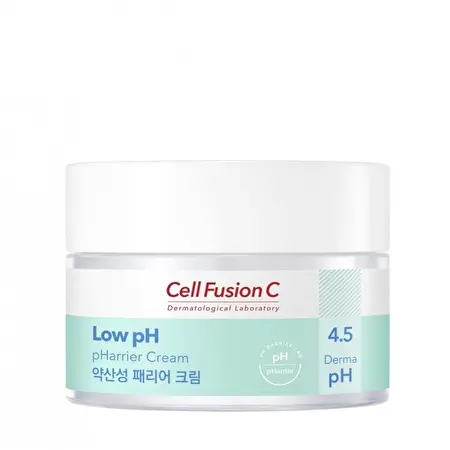
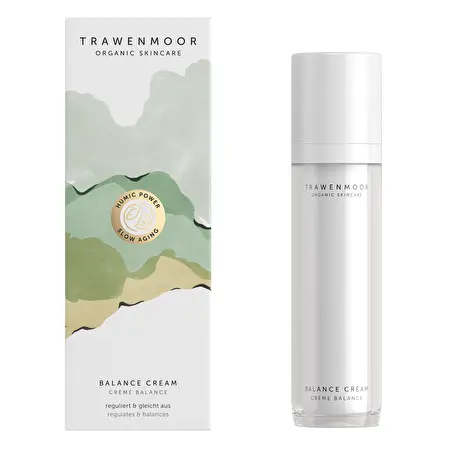
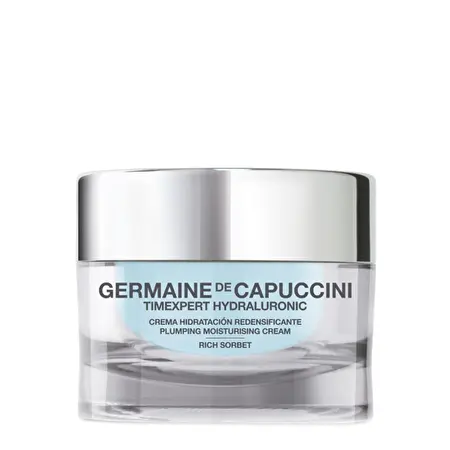
To make it simpler, we have selected three different face creams—each designed for a specific skin type and its needs. One is intended to support the skin barrier and pH balance, the second for balancing oily and combination skin, and the third for normal and dry skin with hyaluronic acid. This makes it easier to choose according to your situation.