Lipids: What Are They and What Makes Them Special
What are lipids?
Lipids are organic compounds that dissolve poorly in water or do not dissolve in it at all. Their molecular composition includes carbon, hydrogen, oxygen, and phosphorus. Lipids have the highest percentage of hydrogen of all organic molecules found in organisms, which is why fats are used for energy storage. Read more about what fats are in this blog post.
Lipids are divided into the following main groups:
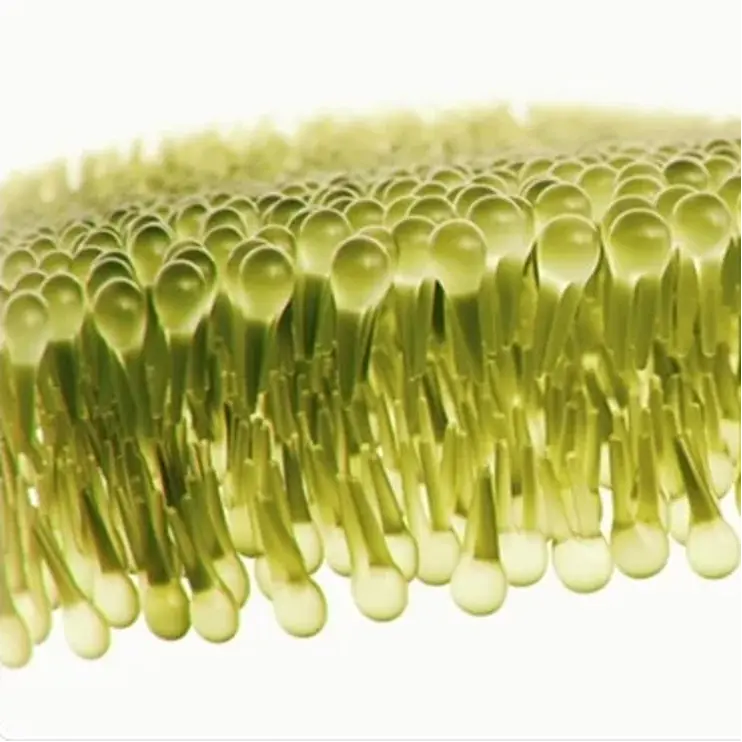
- Phospholipids consist of two fatty acid molecules, a phosphate group, a glycerol molecule, a hydrophilic phosphate-group head, and hydrophobic fatty acid tails.
- Steroids consist of four fused carbon rings, which differ from one another by functional groups (e.g., testosterone, cholesterol). Their structure differs slightly from that of triglycerides. Steroids are found in plants and meat, and they are also produced in the human body. Steroids found in plants are not well absorbed; moreover, they also block the absorption of cholesterol.
- Cholesterol plays a role in structuring cell membranes, while steroid hormones transmit various signals within the body, easily entering all cells due to their hydrophobic (fat-soluble) nature.
- Triglycerides – animal (fats) and plant (oils) fats – consist of fatty acids and glycerol. The state of a triglyceride at room temperature is determined by the length of the carbon chain: the shorter it is and the more double bonds it contains, the more liquid the triglyceride is.
- Waxes are made up of fatty acids and alcohol (e.g., earwax, cuticle); At room temperature, waxes are solid.
Functions of lipids, synthesis, production, and processing in industry
To store energy, fats, oils, and waxes are used as nutrients in the cells of organisms. Other important functions of lipids in biology include: the synthesis of hormones and neurotransmitters, cell signaling, membrane formation, and ion transport. In addition, many ions can be transported through water in a specific direction only by using a lipid bilayer.
Lipids are synthesized in the metabolism of all organisms. Many vitamins and minerals used in the body are lipids. Lipids are also produced in the body during metabolism and during the digestion of food. They are excreted in urine, feces, sweat, and other cellular debris. Lipid synthesis takes place in the small intestine, liver, and pancreas of mammals. In these organs, fatty acids are joined together by ester bonds.
In industry, lipids are used in many fields. One of them is the production of biodiesel and other lipids from oils. This is done using various molecular processes to break down fatty acids, triglycerides, or even fats. This is called biorefining and is a very important way of utilizing lipids. Another use is emulsions. When water and oil are mixed at the right temperature, the water droplets within the mixture cannot mix with the oil droplets. This is called emulsification. This is how important products are made, such as cosmetics, margarine, lubricants, paints, medicines, etc.
The effects of lipids on the human body
The functions of lipids are essential to all life, as they form lipoproteins that can transport them in the blood. When lipids are consumed with food, they are absorbed in the intestine and transported by the blood. If there are many lipids in the blood, they can cause atherosclerosis, when plaques form in the arteries. In addition, high levels of lipids in the blood are associated with metabolic diseases, such as diabetes and heart disease. Another example is the important role of triglycerides in our brains. Plaques in the brain can cause dementia or other disorders. If a patient has high triglyceride levels in the blood, the liver can remove the lipids and the person can live a normal life.
Lipids are one of the interesting classes of molecules found in all organisms. They perform many important functions in biology, are important in the food industry, and can harm us if there are too many of them in the blood. Lipids are molecules that have been studied for many years. They can be described as complex molecules composed of carbon, hydrogen, and oxygen atoms. These molecules are important for organisms to survive because they are used to store energy and form important components of our bodies. For more information about lipids and other molecules, click here.