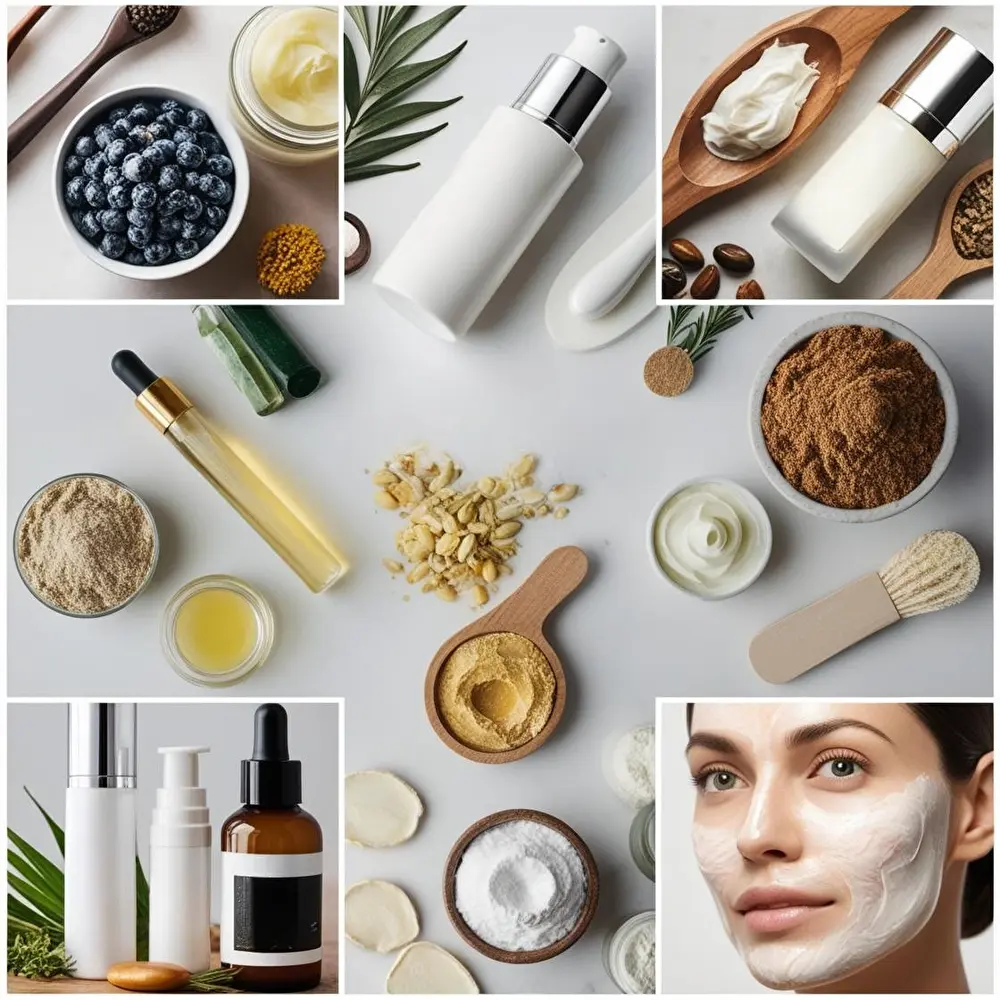
The Most Popular Skincare Myths You Shouldn’t Believe
The Most Common Skincare Myths and Debunking Them
1. "If your skin is oily, it doesn’t need moisturizing"
This is one of the most widespread myths. Many believe that oily skin doesn’t need hydration because it produces enough oil on its own. However, hydration and oil production are two different processes. Skin can be oily yet still dehydrated, which then causes it to produce even more oil to compensate for the lack of moisture.
What should you do? Choose lightweight, non-greasy, non-comedogenic moisturizers with hyaluronic acid or glycerin.
2. "The more often you wash your face, the healthier your skin will be"
Frequent face washing can do more harm than good. Washing too often removes the skin’s natural protective barrier, making it dry, irritated, and more sensitive to environmental factors.
What should you do? Wash your face twice a day: in the morning and in the evening, using a gentle cleanser suited to your skin type.
3. "Toothpaste helps heal pimples faster"
This is a dangerous myth! Ingredients in toothpaste, such as fluoride and menthol, can irritate the skin even more and cause redness or even burns.
What to use instead? Treat individual pimples with products containing benzoyl peroxide or salicylic acid.
4. "The higher the SPF, the better the sun protection"
Although a higher SPF provides greater protection against UVB rays, no sunscreen can provide 100% protection. SPF 30 blocks about 97% of UVB rays, while SPF 50 blocks 98%. Therefore, it is more important to reapply sunscreen every 2 hours.
5. "More expensive cosmetics are always better"
Many believe that the more expensive the product, the more effective it is. However, what matters most is the formula, not the price. Some affordable products may contain the same or even more effective ingredients than luxury brands.
How to choose? Read the ingredient list and look for active ingredients that match your skin’s needs.
6. "Natural products are always better for the skin"
Natural ingredients can be beneficial, but not all of them are safe or effective. For example, lemon juice or apple cider vinegar can irritate the skin and cause chemical burns.
What should you do? Choose scientifically tested products and avoid unproven “natural” experiments.
7. "If a product irritates your skin, it means it’s working"
Burning or strong tightness is not a sign of effectiveness. It may indicate that the product is too harsh or unsuitable for your skin type.
What to do? If you feel discomfort, stop using the product and consult a dermatologist.
How to Choose the Right Skincare Routine?
5 Key Tips for Taking Care of Your Skin
- Use sunscreen daily – even on cloudy days, UV rays reach the skin.
- Choose products suited to your skin type – what works for one person won’t necessarily work for another.
- Moisturize regularly – even if your skin is oily, it needs proper hydration.
- Avoid overly aggressive products – alcohol and fragrances can cause skin irritation.
- Monitor your skin’s reactions – if a product causes redness or itching, it’s better to stop using it.
Conclusion
When caring for your skin, it is important to separate myths from reality and rely on science-based recommendations. The most important thing is a consistent and properly selected skincare routine. Don’t rely on online rumors-choose professional advice and proven products.
If you want your skin to look healthy and radiant, the key is consistent and balanced care! Have you tried any myths and noticed their effects?