What is eczema?
Eczema can affect people of all ages-from infants to older adults. Although eczema cannot be cured, there are certain ways to help manage symptoms and reduce the frequency and severity of flare-ups.
Eczema can affect any part of the body, but it most commonly appears on the hands, feet, wrists, ankles, neck, upper chest, and eyelids. Eczema causes itching in various areas of the body, and constant scratching and picking can lead to further inflammation and even infection.
What causes eczema?
The exact cause of eczema is not known, but it is believed to be a combination of genetic and environmental factors. People with a family history of eczema or other allergic conditions such as asthma or hay fever are more likely to develop eczema. Environmental factors, such as exposure to certain irritants or allergens, can also trigger eczema.
Eczema is not contagious and cannot be passed from person to person. However, people with eczema may be more prone to skin infections, especially if they frequently touch and scratch the affected area.
What are the symptoms of eczema?
Eczema symptoms can vary from person to person, but they typically include:
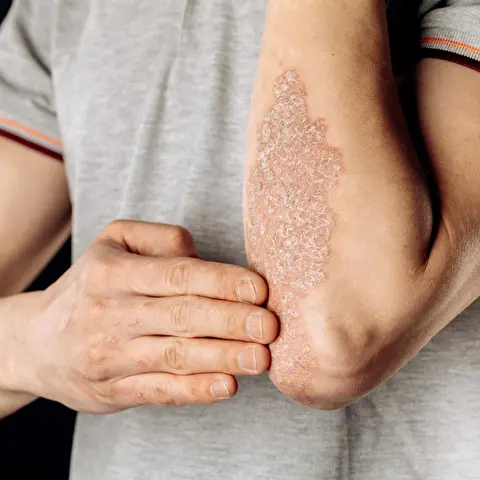
- Dry, itchy, and flaky patches of skin;
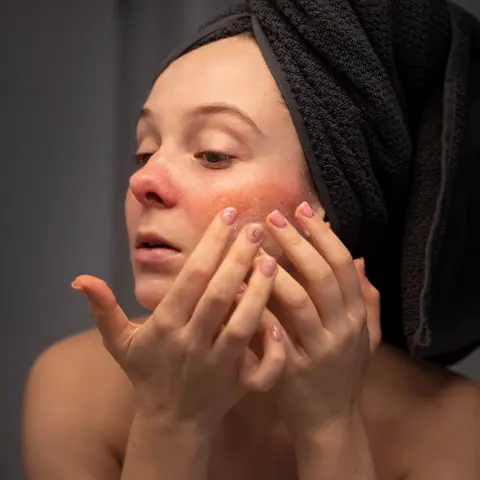
- Red or brownish-gray patches of skin;
- Small bumps that may leak fluid when scratched;
- Thickened, cracked, or scaly skin;
- Sensitive and easily irritated skin;
Eczema symptoms can range from mild to very severe, and they may come and go over time. Flare-ups may be triggered by certain environmental factors such as exposure to irritants or allergens, changes in temperature, or stress.
How is eczema diagnosed?
Eczema is usually diagnosed based on a physical examination of the affected skin. The doctor may also ask about your medical history, including any cases of eczema or other allergic conditions in your family. In some cases, the doctor may order a skin biopsy to rule out other skin conditions.
How is eczema treated?
Eczema cannot be cured, but there are certain ways to help manage symptoms and reduce the frequency and severity of flare-ups:
1. Moisturizing the skin can help reduce dryness and itching. Use a gentle, fragrance-free moisturizer several times a day, especially after bathing or showering. Moisturizing is very important not only for eczema, so you can read more about the importance of moisturizing the skin here.
2. Identify and avoid any irritants that may trigger flare-ups, such as certain soaps, detergents, or fabrics that irritate the skin, which is why you should choose both body care products and facial skincare products very carefully.
3. Creams or ointments containing hydrocortisone (read more about what hydrocortisone is here) or other topical corticosteroids (what corticosteroids are can be found here) can help reduce inflammation and itching. In more severe cases, prescription topical medications may be needed.
4. If eczema is severe, a doctor may prescribe oral medications, such as antihistamines, corticosteroids, or immunosuppressants, to help control symptoms.
5. In some cases, exposure to certain types of light may help reduce inflammation and itching. A doctor may recommend light therapy, also called phototherapy, as a treatment option.
6. Applying wet compresses to the affected itchy area can help reduce itching and inflammation.
7. Stress can be a trigger for eczema flare-ups. Lifestyle changes such as regular exercise, adequate sleep, and stress-reduction techniques such as meditation or yoga can help reduce stress and prevent flare-ups.
It is important to note that eczema treatment varies depending on the severity of the condition and a person’s specific symptoms. It may take some time to find the best combination of treatments that works for you.
Eczema is a chronic skin condition that can cause discomfort and sometimes even pain. Although eczema cannot be cured, there are alternative treatment options that can help manage symptoms and reduce the frequency and severity of flare-ups. It is important to work closely with a doctor to develop a treatment plan tailored to individual needs. By taking steps to manage eczema, you can reduce its impact on daily life and improve your overall quality of life.
And if, after reading through all the symptoms of eczema, you didn’t find a single match with your skin condition, but you are still not satisfied with your skin, it may be worth taking a closer look at your skincare routine. You can read about the importance of skincare and how to keep your skin healthy here.