What is psoriasis?
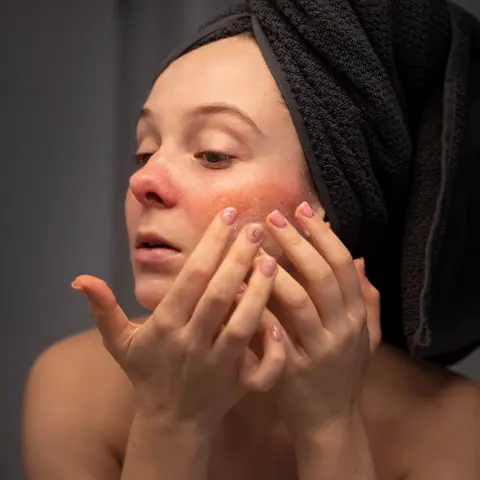
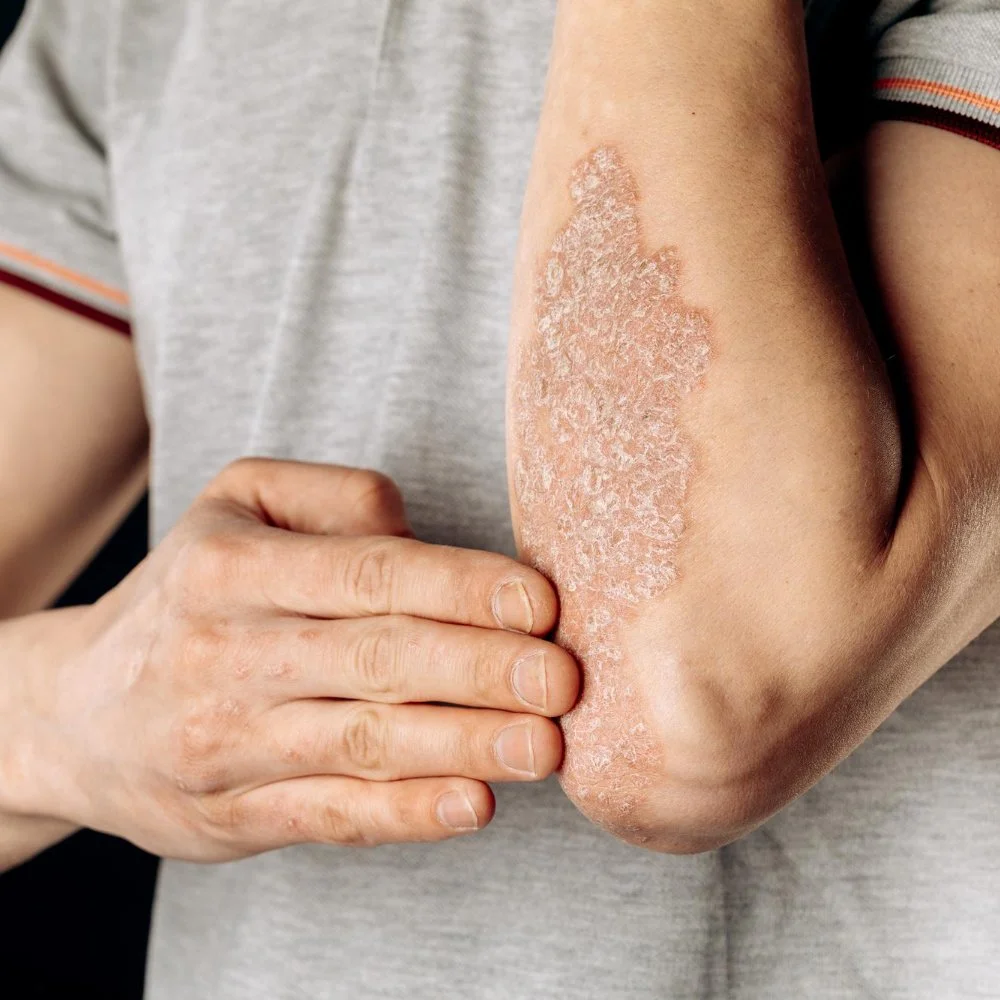
Psoriasis is characterized by a rapid turnover of skin cells, which results in thick, silvery scales forming on the surface of the skin. These scales may itch, be painful, and sometimes bleed. This condition can also cause joint pain and stiffness-this is known as psoriatic arthritis.
What causes psoriasis?
The exact cause of psoriasis is still unknown, but scientists believe it may be influenced by a combination of genetic and environmental factors. Here are some known risk factors:
1. Genetic factors.
Psoriasis often runs in families, suggesting that genetic factors may contribute to its development.
2. The immune system.
Psoriasis is an autoimmune disease, meaning the body’s immune system attacks healthy cells, resulting in psoriatic lesions.
3. Environmental factors.
Certain environmental factors, such as stress, skin injury, infection, and certain medications, can trigger psoriasis.
Types of psoriasis
There are several types of psoriasis, each with its own symptoms and characteristics. Here are the most common types of psoriasis:
Plaque psoriasis: This is the most common type of psoriasis, accounting for about 80% of all cases. It is characterized by large red patches of skin covered with silvery scales.
Guttate psoriasis: This type of psoriasis is more common in children and young adults. It is characterized by small, red, scaly spots on the skin.
Inverse psoriasis: This type of psoriasis affects skin folds, such as the armpits, groin, and under the breasts. It is characterized by smooth, shiny, red patches of skin that may itch.
Pustular psoriasis: This is a rare type of psoriasis characterized by small, pus-filled blisters on the skin.
Erythrodermic psoriasis: This is a rare and severe type of psoriasis that affects the entire body. It is characterized by red, peeling, and inflamed skin.
How is psoriasis diagnosed?
Psoriasis is usually diagnosed by a dermatologist after a physical examination; sometimes a small skin sample (biopsy) may be taken to confirm the diagnosis.
In some cases, the doctor may also order blood tests to rule out other conditions that may mimic the symptoms of psoriasis.
How is psoriasis treated?
Although psoriasis cannot be cured, there are several alternative treatment options that can help manage symptoms and improve quality of life. The choice of treatment depends on the type and severity of psoriasis, as well as other factors such as age, overall health, and medical history.
- Topical treatments: These are medications applied directly to the skin. They include, among others, corticosteroids, vitamin D analogues, and retinoids.
- Phototherapy: This involves exposing the skin to ultraviolet light under medical supervision. This treatment can help slow the growth of skin cells and reduce inflammation.
- Systemic medications: These are medications taken orally or by injection. They include, among others, immunosuppressants, biologic medications, and oral retinoids.
- Lifestyle changes: Certain lifestyle changes can help manage psoriasis symptoms. These may include avoiding stress triggers, maintaining a healthy weight, quitting smoking, and avoiding alcohol.
- Alternative therapies: Some people may find relief from psoriasis symptoms with alternative therapies such as acupuncture, meditation, and yoga.
It is important to note that while psoriasis can be managed, it is a chronic condition that requires long-term treatment. It is important to work closely with a healthcare provider to find the most effective treatment plan.
Living with psoriasis
Living with psoriasis can be challenging both physically and emotionally. People with psoriasis may feel embarrassed or even depressed because of the appearance of their skin. It is important to seek support and encouragement from friends, family, and healthcare providers to help manage these emotions.
There are also several lifestyle changes that people with psoriasis can make to manage their symptoms and improve overall quality of life. These include, among other things, the following:
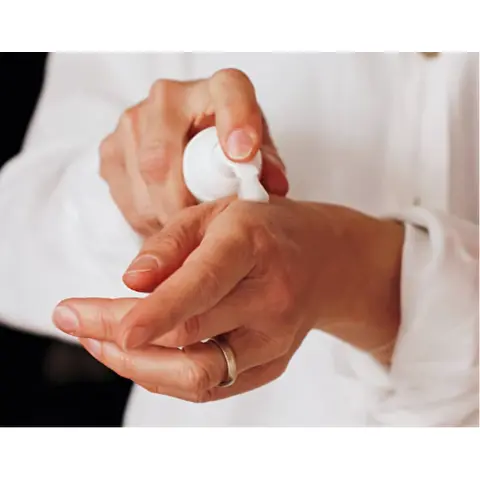
1. Moisturizing the skin: Using moisturizers such as body creams, body oils or body lotions can help reduce skin dryness and flaking. Moisturizing the skin is very important in many cases; you can read more about the importance of moisturizing for maintaining healthy skin here.
2. Avoid irritants: stress, skin injuries, and certain medications can help reduce the frequency and severity of psoriasis flare-ups.
3. Healthy diet: Healthy food rich in fruits, vegetables, and lean proteins can help support overall health and reduce inflammation.
4. Regular exercise: Regular exercise can help reduce stress and improve overall health.
5. Seek help: Joining a support group or speaking with a mental health professional can help cope with the emotional impact of psoriasis.
Psoriasis is a chronic autoimmune disease that affects the skin, nails, and joints. The choice of treatment depends on the type and severity of psoriasis, as well as other factors such as age, overall health, and medical history; however, people with psoriasis can manage their symptoms and improve their overall quality of life by making certain lifestyle changes and seeking support.