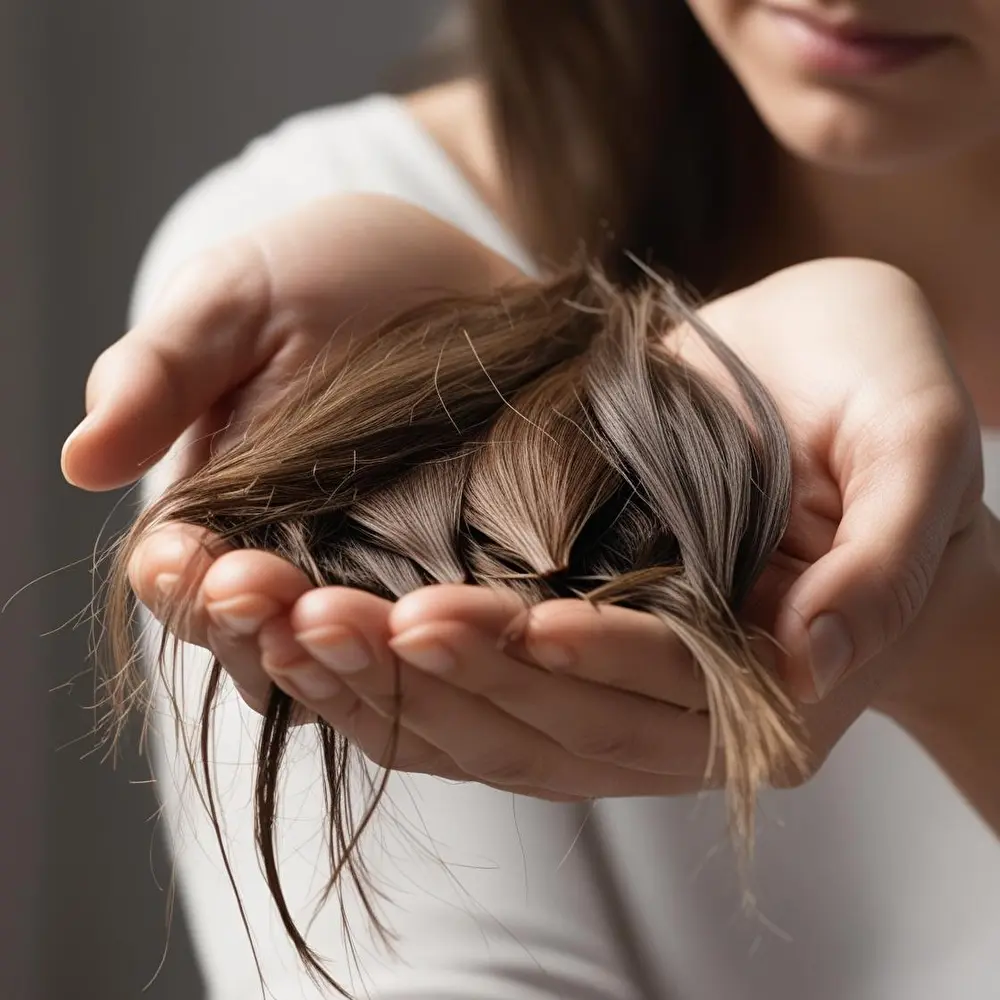
Why does hair start to fall out and what should you do?
Main Causes of Hair Loss
1. Genetic factors
If there have been cases of early baldness in your family, genetics may likely affect you as well. Androgenetic alopecia is a hereditary condition that affects both men and women.
2. Hormonal changes
Hormonal fluctuations, such as menopause, pregnancy, or thyroid problems, can cause hair thinning. Hormonal imbalance affects the hair growth cycle and can lead to excessive hair shedding.
3. Stress and emotional tension
Long-term stress negatively affects not only your mental well-being but also hair health. Stress can cause telogen effluvium – temporary hair loss, when a large portion of hair enters the resting phase too early.
4. Poor nutrition
Hair growth requires essential nutrients such as protein, iron, zinc, and biotin. A lack of nutrients can slow hair growth and promote hair loss.
5. Improper hair care
Frequent hair dyeing, use of hot tools, and harsh chemical products can damage hair and weaken the roots, contributing to hair loss.
How to Stop Hair Loss?
1. Balanced nutrition
- Eat more protein-rich foods (eggs, nuts, legumes).
- Drink enough water to keep hair moisturized and healthy.
- Include dietary supplements with iron, zinc, and biotin if they are lacking in your diet.
2. Stress management
- Practice meditation or yoga.
- Make time for relaxation and rest.
- Avoid excessively intensive work and do not overload yourself.
3. Appropriate hair care products
- Use gentle, naturally formulated shampoos.
- Choose hair conditioners and masks that strengthen the hair structure.
- Avoid frequent straightening, curling, or blow-drying with hot air.
4. Regular scalp massage
- A scalp massage stimulates blood circulation and helps strengthen hair roots.
- You can massage with your hands or use special massage devices.
5. Medical treatment methods
- Minoxidil solutions can help stop hair loss and promote growth.
- PRP therapy (plasma injections) strengthens hair follicles.
- If hair loss is severe, it is worth consulting a dermatologist.
Conclusion
Hair loss can be a frustrating issue, but by understanding its causes you can take appropriate action. A balanced diet, proper care, and a healthy lifestyle can help reduce hair loss and promote new hair growth. If the problem becomes serious, it is worth consulting specialists and considering medical treatment methods. Take care of your hair – it is an integral part of your overall health and beauty!