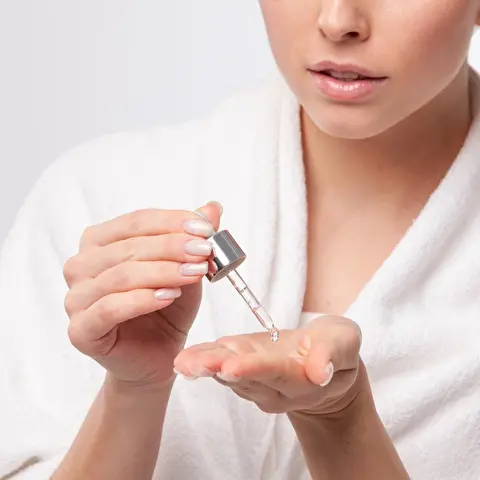
Hyaluronic Acid for the Face: Benefits, Effects, and Use
Why Is Hyaluronic Acid Indispensable?
Hyaluronic acid is naturally present in your skin, joints, and eyes. Its function is to attract and retain water. Just one gram of hyaluronic acid can hold up to 1000 times its weight in water. A thousand times. That is why it is called the most powerful moisturizer in nature.
But from the age of 25, the natural amount of hyaluronic acid in the skin begins to decrease. The result is dry skin, loss of plumpness, and fine lines. Our cosmetologists see a clear difference: clients who consistently moisturized their skin with hyaluronic acid from the age of 25 have a completely different skin texture after 35 than those who did not take care of hydration.
What is hyaluronic acid and how does it work?
Hyaluronic acid is a natural polysaccharide that acts like a “moisture magnet”. In the skin, it fills the spaces between collagen and elastin fibers, helping maintain skin volume and elasticity. Without hyaluronic acid, the skin collapses. Literally.
What types of hyaluronic acid are used in cosmetics?
Not all hyaluronic acid is the same. The size of the molecule determines how deeply it works.
Small molecules (up to 50 kDa) penetrate deeper into the skin, reaching the dermis layer. The effect: more elastic skin and less visible wrinkles. This is the most effective type for anti-aging care.
Large molecules (over 1000 kDa) remain on the skin’s surface and form a protective film. Moisture does not evaporate, and the skin immediately looks plumper and more radiant. An instant effect.
Cross-linked hyaluronic acid is a modified form that does not break down immediately. The effect is long-lasting. It is used in professional products and injections.
The best serums combine hyaluronic acid of several molecular sizes, achieving both deep and surface-level effects at the same time.
What are the benefits for the skin?
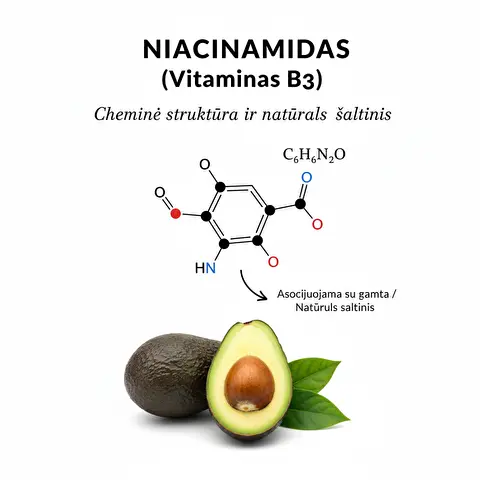
Intensive hydration in all layers. Reduction of fine lines, as skin cells filled with moisture “smooth out” the surface. A stronger skin barrier — hydrated skin is more resistant to irritation. Do you know what the best part is? Hyaluronic acid is suitable for all skin types, even oily skin. It is water-based and completely non-greasy. It pairs well with almost all ingredients — niacinamide, vitamin C, retinol.
Do you apply hyaluronic serum to dry skin? This is the most common mistake. Hyaluronic acid draws moisture from the environment, but if there is none in the environment, it will “borrow” it from the deeper layers of your skin. And make things worse. Always apply to damp skin and immediately lock it in with a cream on top. Simple, but so many customers skip this.
How to Use Hyaluronic Acid Correctly?
The sequence is very important. If you mix up the steps, the effect will be weaker or even the opposite.
Start with facial cleansing. Clean skin absorbs active ingredients better; if you use a toner, apply it to still-damp skin.
Then apply a hyaluronic acid serum. Be sure to apply it to damp skin. This is a critical step—never on dry skin. Damp skin means hyaluronic acid has moisture to “draw” from. If you use a niacinamide or vitamin C serum, apply it over the hyaluronic acid.
The final step is a face cream, which “locks in” all the layers. In the morning, finish with SPF protection. Use twice a day—morning and evening. Hyaluronic acid has no side effects and is suitable for long-term use.
Recommended products