The Importance of Skin Hydration in Maintaining Healthy Skin
What Is Skin Hydration?
Skin hydration is the maintenance of water content in the upper layer of the skin. When we talk about skin hydration, we mean two processes: attracting water into the stratum corneum and retaining it so it does not evaporate. Both processes take place together. If one is lacking, the skin begins to feel tight, flake, or react more sensitively to cosmetics.
Did you know that hydration is not the same as nourishment? Dry skin lacks lipids, while dehydrated skin lacks water. The difference is important because it determines which hydrating face cream or serum you should choose.
Why Is Skin Hydration Important?
The skin barrier is a thin layer of the stratum corneum that separates our inner body from the environment. In it, cells are connected by lipids—ceramides, cholesterol, and fatty acids. When the water content in this structure decreases, the barrier weakens, and the skin becomes more sensitive to everything: cold, cleansers, even tap water. That is why hydration is not a cosmetic detail. It is barrier protection.
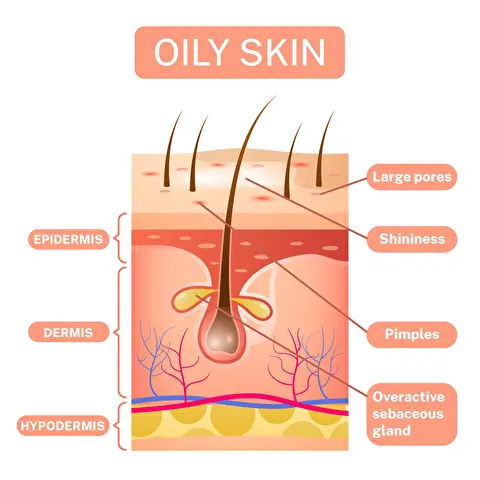
To understand how moisturizers work, it is worth looking at the structure of the skin and its layers. Water travels to the epidermis from deeper tissues, while on the surface it is retained by lipids and the natural moisturizing factor (NMF).
When Does Skin Become Dehydrated?
Dehydrated skin is a condition, not a type. It can occur in both oily and dry skin. There are usually several causes: the heating season, overly harsh cleansers, frequent exfoliation, prolonged sun exposure, air-conditioned air on a plane or in the office. Customers often notice that after winter, the face looks tired, even though the cream has not changed. The cream is not to blame—the environment is.
How can you recognize dehydration? After cleansing, the skin feels tight, fine lines appear on the cheeks and forehead, and makeup absorbs unevenly. Sometimes, paradoxically, sebum production increases—the skin is trying to compensate for the lack of water.
How Does Hyaluronic Acid Work?
Hyaluronic acid is one of the best-researched moisturizing ingredients. It binds water and holds it in the stratum corneum. But not all forms work the same way. Different-sized hyaluronic acid molecules reach different depths of the skin: larger ones remain on the surface and form a moisturizing film, while smaller ones penetrate deeper and hydrate from within.
That is why hyaluronic acid for skin works best when a product contains several of its forms. A single molecular weight form provides only a partial effect. And one more detail: hyaluronic acid should be applied to damp skin and sealed in with a cream; otherwise, it may draw moisture from the deeper layers rather than from the air.
Are moisturizing products enough? Sometimes—not. If the skin barrier is already damaged, you need not only water but also lipid restoration: ceramides, squalane, and plant oils. Only then does moisture stay the way you want it to.
Why do customers use a moisturizing cream, yet their skin still feels tight? Our cosmetologists see this mistake every day - cream is applied to skin that has been wiped completely dry. We recommend a different approach: after cleansing, do not dry your face completely; leave it slightly damp, then spray on a toning mist or apply a serum with hyaluronic acid. And only then - the cream. The cream acts like a seal; it locks in what is already in the skin. If there is no water in the skin, the cream will have nothing to lock in. This simple step changes a lot.
How to Moisturize Facial Skin Daily?
Your daily routine should be simple so you can truly stick to it. In the morning - a gentle cleanser, moisturizing serum, cream, and SPF. In the evening - two-step cleansing (if you wore makeup or SPF), serum, and cream. That is all. You do not need five layers to keep your skin hydrated.
What should you choose based on ingredients? Look for hyaluronic acid, glycerin, panthenol, ceramides, and squalane. If your skin is dehydrated but oily - choose a lightweight gel cream with hyaluronic acid. If your skin is dry and feels tight - choose a cream with ceramides and oils. If your skin is sensitive - fragrance-free, alcohol-free, with panthenol.
Drinking water is also important, but it is not enough on its own. Water from within reaches the skin only partially - most hydration happens on the surface. That is why external care and drinking water work together and do not replace one another.
Do you change your products according to the season? You should. In winter, the skin loses more water due to heating and cold, so your cream can be richer. In summer - lighter. If you do not know where to start, explore products for dehydrated skin and choose according to your skin’s sensitivity.
Our Cosmetologists’ Recommendations for Hydration
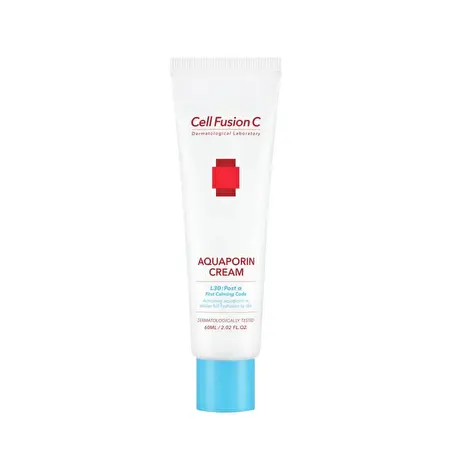
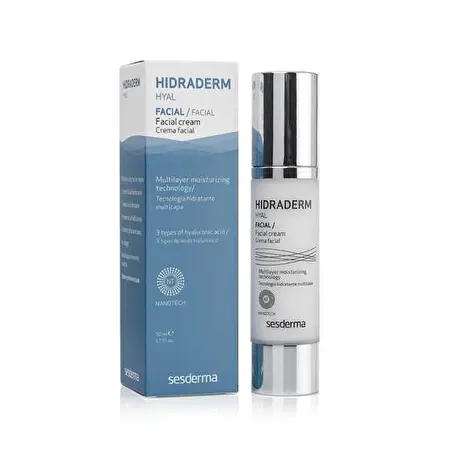
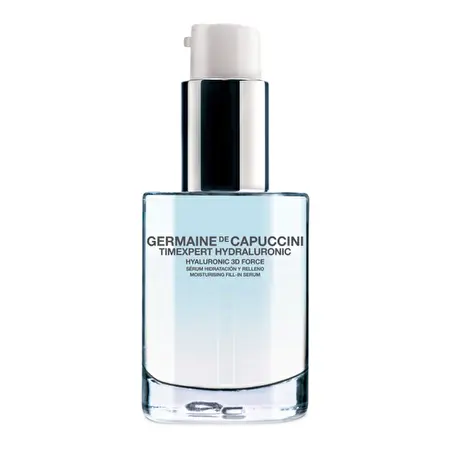
Below you will find three different products we recommend for moisturizing the skin - a lightweight cream for sensitive skin, a moisturizing cream with several forms of hyaluronic acid, and a serum for maintaining moisture for 24 hours. Together, they include serum and cream options so you can build your routine according to your skin’s needs.