Collagen for the skin: oral, topical, or peptides – what really works?
Why Is Collagen an Essential Anti-Ageing Step?
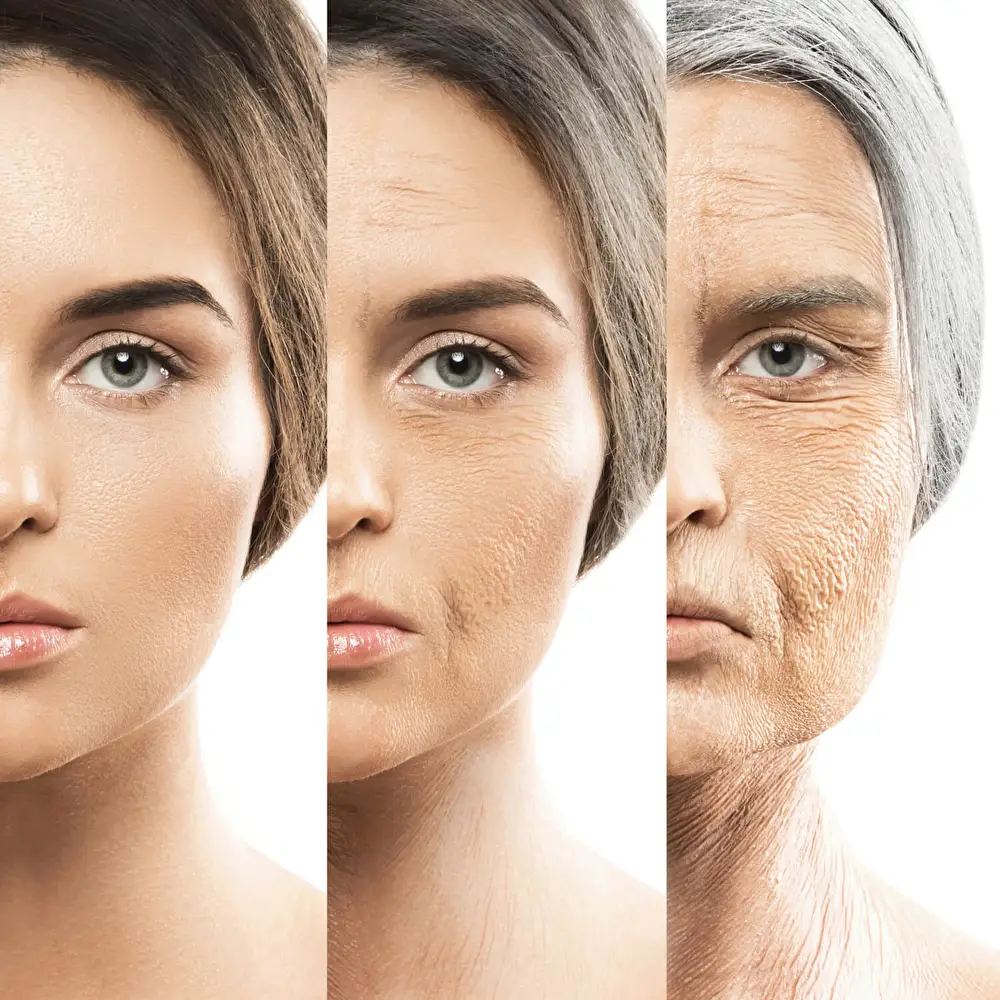
From around the age of 25, your skin loses about 1% of collagen every year. At first, you will barely notice it. But after 35, the changes become visible: fine lines, loss of firmness, slower regeneration. And after 50, only about half of the collagen you had in your youth remains.
Our cosmetologists see this very clearly in the skin’s elasticity: clients who used a vitamin C serum and SPF from the age of 30 had completely different skin than those who only started taking care of it after 45. The difference is striking. That is why supporting collagen is not a luxury, but a necessary step—and the earlier you start, the better.
What is collagen and how does it affect the skin?
Collagen makes up about 75-80% of the skin’s dry weight - it is the main structural protein, accounting for about one third of all proteins in the body. It is composed of amino acids (glycine, proline, hydroxyproline), which form a unique triple-helix structure. This structure is what gives the skin its firmness. Together with elastin, collagen allows the skin to be firm yet elastic.
The most important for the skin is type I collagen (making up about 80% of skin collagen) and type III, which is responsible for renewal and wound healing. By the way, collagen is important not only for the skin - it supports joint flexibility, strengthens hair and nails, and helps maintain the integrity of the intestinal mucosa. But in this article, we will focus on the skin.
Collagen breakdown is accelerated not only by age. UV radiation, smoking, stress, poor sleep - all these factors destroy it even faster. That is why SPF protection is the first step in preserving collagen. Not creams, not supplements - SPF.
Ways to supplement collagen - what should you choose?
Oral collagen
Hydrolyzed collagen (broken down into peptides) from dietary supplements reaches the skin through the bloodstream. Studies show: regular intake of 5-10 g per day for 8-12 weeks improves skin moisture and elasticity. It is important to choose hydrolyzed collagen specifically. The body cannot break down the whole molecule itself - it is too large.
Topical collagen in creams
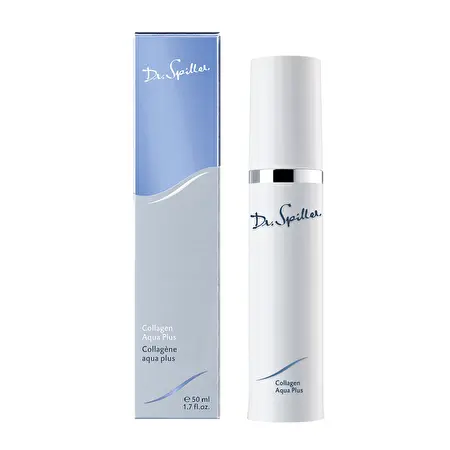
The collagen molecule is too large to penetrate into the dermis, where production takes place. But that does not mean that creams with collagen do not work - they work differently. Collagen forms a moisture-retaining film on the surface of the skin, visually fills in fine lines, and instantly gives the skin a plumping effect. That is why collagen creams are excellent for daily care, especially for dry and mature skin. And if you want to stimulate deep collagen production - combine a collagen cream with a vitamin C serum and peptides. This way, you will get both a surface and a deep effect at the same time.
Collagen from food - natural sources
Before buying supplements, take a look at your plate. Bone broth is one of the best natural sources of collagen. When cooked for a long time, it literally becomes filled with collagen. Fish (especially skin and bones) and poultry are also rich in collagen. But even more important is eating foods that support collagen synthesis: citrus fruits and bell peppers (vitamin C), pumpkin seeds (zinc), nuts (copper). Without vitamin C, the body simply cannot produce collagen.
Which ingredients actually stimulate collagen production?
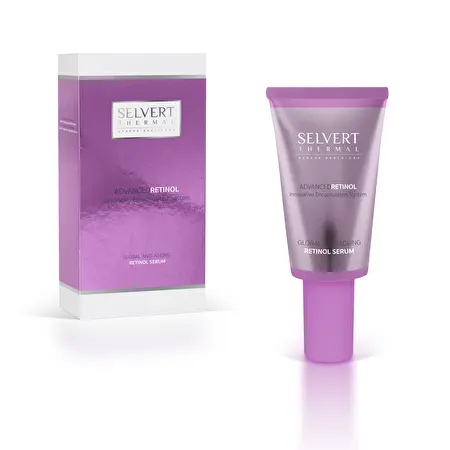
The most effective route is to help the skin produce collagen itself. Three ingredients do this: Vitamin C - without it, the skin cannot synthesize new collagen. It is an essential “building partner". The best results come with a vitamin C serum at a concentration of 10-20%. Retinol - accelerates skin renewal and stimulates fibroblasts (the cells that produce collagen). Start with low concentrations and use only in the evening. Peptides - collagen fragments that “signal" the skin to produce more. In our practice, peptide creams with vitamin C serum provide the best long-term results. Why? Because peptides “trick" the skin - they mimic collagen fragments and signal fibroblasts that they need to work more intensively.
Do you know the difference between a collagen cream and a cream with peptides? A collagen cream moisturizes and visually “plumps” the skin from the surface—the effect is visible immediately. Peptides work deeper—they signal the skin to produce collagen on its own. The best option? Combine both. In the morning—a collagen cream for hydration; in the evening—a peptide cream for repair. Add a vitamin C serum and you’ll have a complete collagen support system.
How to Maintain Collagen Levels Daily?
Protect it from breakdown. SPF protection every day - UV radiation is the No. 1 collagen destroyer. Even 10 minutes without protection every day accumulates considerable damage over the course of a year. Smoking also breaks down collagen - it is the second most important cause after UV.
Stimulate production. Vitamin C serum in the morning, retinol in the evening. These two ingredients together have the greatest effect on collagen synthesis. Results are visible after 6-8 weeks of consistent use.
Support it from within. Hydrolyzed collagen supplements at 5-10 g per day may provide additional benefits. Nutrition is also important: bone broth, fish, citrus fruits (vitamin C), pumpkin seeds (zinc), nuts (copper).
Use peptide creams at night. Choose face creams with peptides as a nighttime restorative step. Night is the time when the skin renews itself most intensively, so the effect of peptides is strongest then.
Recommended Products