What Is Natural Cosmetics and Why Is It Popular?
Natural cosmetics are products dominated by plant- or mineral-derived ingredients: oils, plant extracts, butters, hydrolates. Customers choose them when they want a gentler formula, fewer synthetic fragrances, and a clearer label. And that is understandable.
But natural cosmetics are not automatically better than conventional ones. What matters to the skin is not the origin of the ingredients, but their compatibility with a specific skin type. Our cosmetologists see every day that the same plant oil soothes one customer’s skin, while causing breakouts for another. Therefore, the most important factor is individual tolerance, not the word “natural” on the label.
What Are the Benefits and Limitations of Natural Cosmetics for the Skin?
Plant-based ingredients have a lot to offer. But they also have limitations. Let’s examine both sides openly, without marketing promises.
Benefits: Why Plant-Based Ingredients Are Valuable
Plant oils—rosehip, argan, jojoba, avocado—are rich in unsaturated fatty acids, vitamins E and A, and antioxidants. They strengthen the skin’s protective barrier, reduce transepidermal water loss, and give the skin a nourished feel. Plant extracts (chamomile, green tea, calendula) have soothing and anti-inflammatory properties. Butters (shea, cocoa) nourish dry, tight skin.
A well-formulated natural facial care routine can be gentle, pleasant in texture, and suitable for most skin types. If you are looking for a gentler daily routine, plant-based ingredients can become an excellent foundation. Read more about a consistent plan here: skin care routine.
Limitations: What Natural Cosmetics Cannot Do
Natural products are not all-powerful. Plant extracts will not eliminate serious hyperpigmentation, deep wrinkles, or active acne—this requires active ingredients (retinol, AHA/BHA acids, niacinamide, precisely dosed peptides), which are found less often in natural cosmetics or work more gently. Therefore, comprehensive care sometimes combines both worlds.
Allergens: Natural Does Not Mean Hypoallergenic
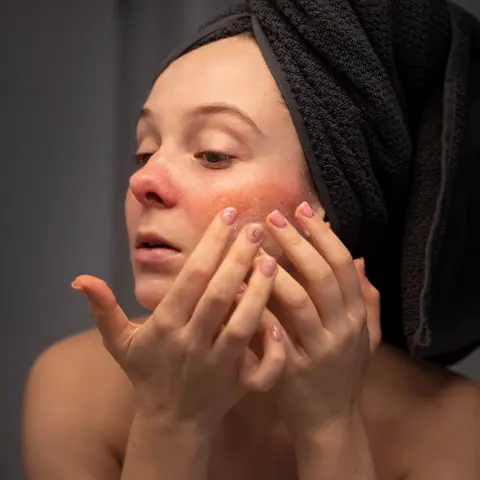
This is the most common mistake. Essential oils (lemon, lavender, mint), plant extracts, and even natural fragrances can cause contact dermatitis, especially in sensitive skin. Cosmetics for sensitive skin should be free from essential oils, free from alcohol, and have a short ingredient list. Do you always read the full ingredient list?
Stability and Storage
Natural formulas often have a shorter shelf life after opening (3–6 months) because they contain fewer preservatives. Store them in a cool place, tightly closed, and use them on time—otherwise, active plant components oxidize and lose their effect.
Is natural cosmetics always suitable for sensitive skin? Our cosmetologists answer clearly - not always. Clients often bring in a product with ten plant extracts and wonder why their skin turns red. We recommend starting with simple formulas: a single base oil (jojoba or argan), a gentle cleanser, and a moisturizing cream without essential oils. Before using a new product on your entire face, apply it to a small area behind the ear or on the wrist for two days. If the skin does not react within 48 hours - you can use it with more confidence. This simple step saves a lot of unpleasantness.
How to Choose Natural Cosmetics According to Skin Type?
Dry skin prefers richer textures: plant oils, butters, creams with squalane, shea butter, or rosehip oil. Oily and combination skin respond better to lighter oils (jojoba, grape seed) and sage extracts. For sensitive skin, a simple formula without essential oils and alcohol is important.
Read labels from beginning to end. The first five ingredients determine the basic nature of the product. If you are looking for a certified product, pay attention to labels: COSMOS Organic, Ecocert, NATRUE - they indicate verified plant ingredient origins and defined production standards.
Do not follow trends alone. “Paraben-free” or “sulfate-free” does not automatically mean that a product is better for your skin - what is in the formula matters, not only what is not. You will find a wider selection of certified products in the organic cosmetics section, where products are categorized by purpose and skin type.
And one more rule: do not change your entire routine at once. Introduce one new natural product every 2-3 weeks - this way, you will clearly see what works and what causes irritation.
What We Recommend for Daily Natural Care
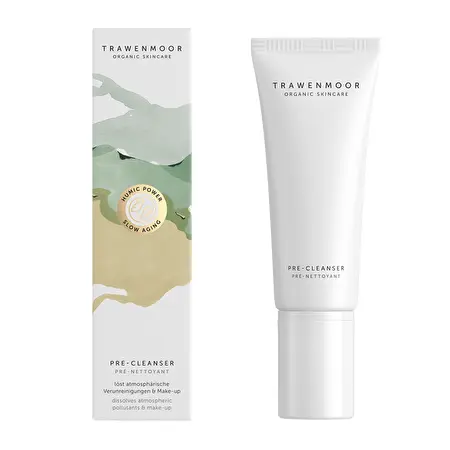
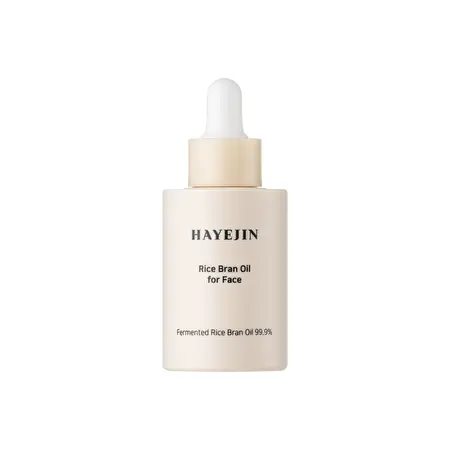
We have created a set of three products that perfectly reflect the essence of natural facial care: gentle cleansing in the morning and evening, a rich plant-based oil for nourishing the skin, and rosehip oil to restore tone and radiance. These products are suitable for most skin types and work beautifully together in a daily routine.