What Is a Skincare Routine, Really?
A skincare routine is not a collection of bottles, but an order of daily steps that supports the skin barrier, moisture levels, and protection from the environment. Three pillars always remain the same: cleansing, moisturizing, protection. Everything else is an addition.
Clients often think that an expensive serum delivers the results. In reality, we see the biggest change when the routine becomes consistent. Two well-chosen products used daily work more effectively than seven that are changed every week. Skin needs rhythm, not surprises.
Why Order Matters and Where to Start?
What Do the Right Skincare Steps Look Like in the Morning and Evening?
Morning and evening routines have different purposes. In the morning, the skin is prepared for the day—protected from pollution, UV rays, and dehydration. In the evening, the skin is cleansed of makeup and SPF and nourished while you sleep. The main recovery processes take place at night, which is why active ingredients are often included in the evening routine.
Morning Skincare
Morning skincare should be short and clear. A gentle cleanser or lukewarm water, toner as needed, antioxidant serum, moisturizer, and SPF. Antioxidants (such as vitamin C) help protect the skin from free radicals in the city. SPF is a non-negotiable step—without it, even the best serums will not provide long-term results. You can find more about why consistency is more important than the number of products in the article the fundamentals of skin health.
Evening Skincare Routine
The evening skincare routine begins with double cleansing if you used SPF or makeup during the day. First—a hydrophilic oil or micellar water, then—a water-based cleanser. Then toner, an active serum (retinol, niacinamide, AHA, or peptides—depending on the goal), and a richer cream. Active ingredients should be combined wisely: retinol and AHA should not be used on the same evening, while vitamin C usually stays in the morning routine.
How Often Should You Exfoliate and Use Masks?
Exfoliation is not a daily step. Chemical exfoliation (AHA/BHA) is suitable 2–3 times per week, physical exfoliation—no more than once a week. Masks are used 1–2 times per week as needed: hydrating, purifying, or soothing. If the skin starts to feel tight, burn, or flake, it is a sign that you are exfoliating too often.
How to Adapt It to Your Skin Type?
Dry skin needs richer textures and ceramides. Oily skin likes lightweight gels, niacinamide, and salicylic acid. For sensitive skin, simplicity is important: as few fragrances as possible and a shorter ingredient list. Combination skin often requires two creams for different areas or one well-balanced product.
Why do five serums work worse than two? In our cosmetologist’s office, almost every day we see clients who use retinol, AHA acid, vitamin C, and exfoliation as well—all in the same week. The skin becomes red and sensitive, and the client thinks it is a “purging reaction.” In reality, it is an overloaded barrier. We recommend a simple rule: one strong active ingredient in the evening, no more. The next evening—hydration and soothing. Skin does not need more products, but more time to accept them. Consistency over eight weeks delivers a more noticeable change than an aggressive month.
How to adapt your routine for brighter skin?
Radiant skin is skin that is well-hydrated, protected, and consistently cared for. Not shiny, but even in color and healthy in tone. Here are a few practical tips for glowing skin that we give to clients in our salon.
Do not change everything at once. Introduce one new product every 2-3 weeks and monitor the reaction. If you introduce three new ones at the same time and your skin reacts, you will not know which one is to blame.
Do not forget the neck and décolleté - the steps are the same as for the face. We often see clients whose face looks great, but the neck reveals their age because it has been forgotten.
Use SPF all year round, not just in summer. UVA rays penetrate through clouds and windows. They are responsible for early photoaging.
Do not ignore hydration, even if your skin is oily. Dehydrated skin produces more oil as compensation. Choose a lightweight yet hydrating product. You will find a wider selection in the facial care products section, where products are categorized by skin type and concern.
Three Steps for One Consistent Routine
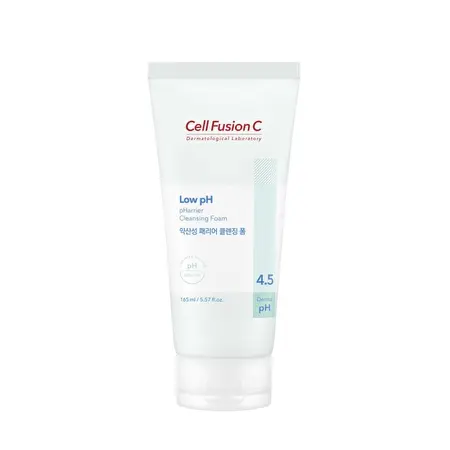
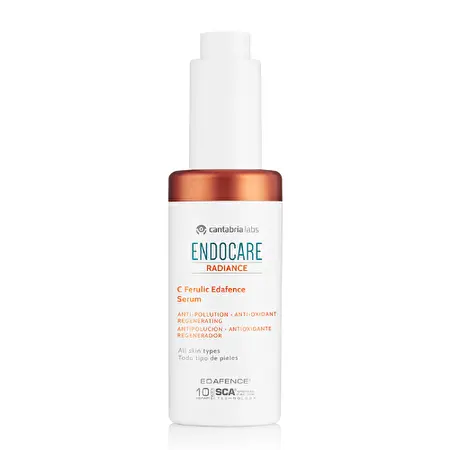
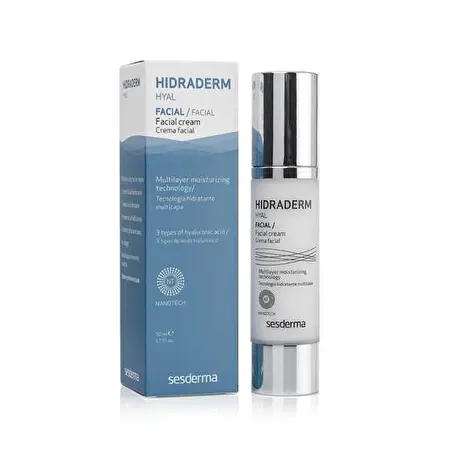
For a routine to work, you don’t need ten products—three well-chosen ones are enough. Below, we recommend a combination that includes gentle cleansing, active antioxidant care, and comfortable hydration. Suitable for skin living in urban conditions, when you want clarity and less irritation.