Sensitive Skin SOS: Expert Tips and Tricks for Gentle and Effective Care
What is sensitive skin?
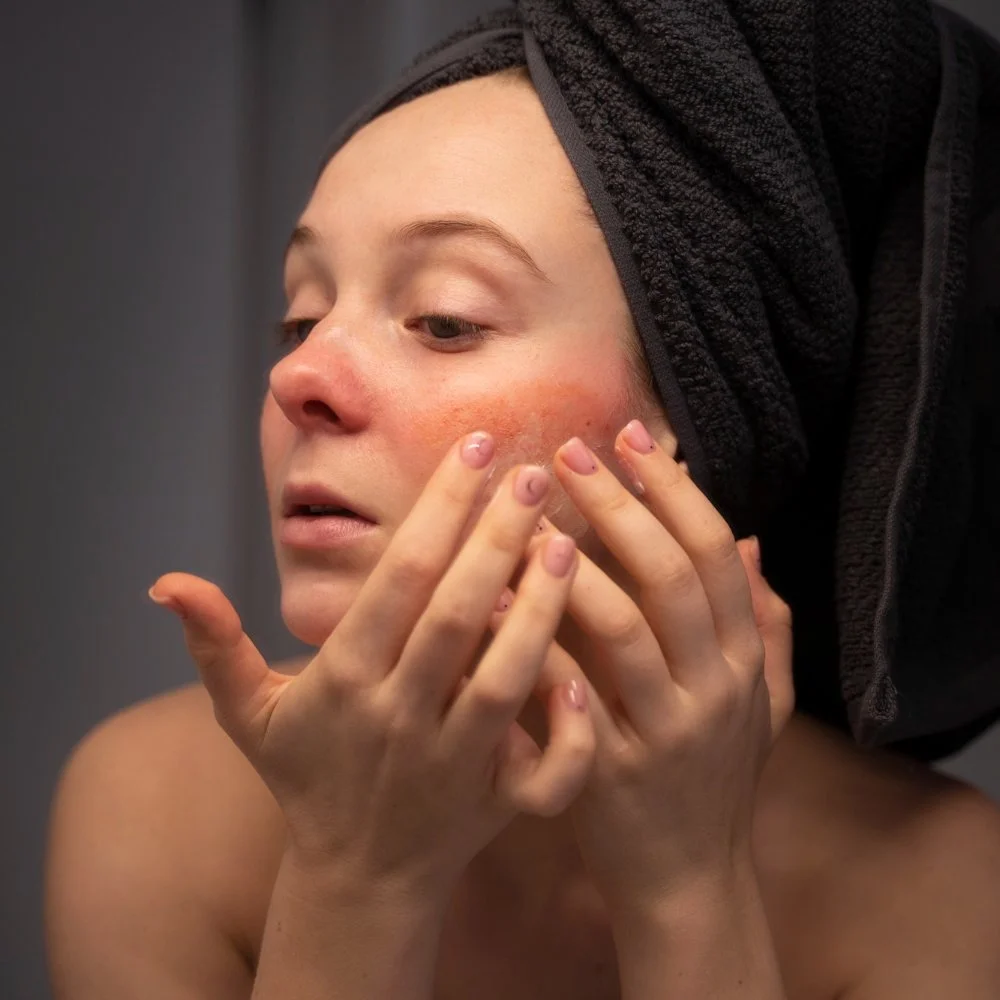
Sensitive skin is a condition characterized by easily irritated skin that is prone to redness, dryness, and itching. People with sensitive skin often experience discomfort and irritation when unsuitable skincare products are used or when the skin is exposed to certain environmental factors such as sunlight or cold air.
Sensitive skin can be caused by a variety of factors, including genetics, hormonal imbalance, and environmental factors such as pollution and sun exposure. Some people are born with sensitive skin, while for others it develops over time.
Symptoms of sensitive skin
The most common signs and symptoms of sensitive skin are:
- Redness
- Dryness
- Itching
- Burning
- Flaking
- Tightness
If you experience any of these symptoms, it is important to take proper skincare measures to avoid further irritation.
Causes of sensitive skin
Sensitive skin can be caused by a variety of factors, including:
- Genetics. If your parents or other family members have sensitive skin, there is a high likelihood that you have inherited this trait as well. Genetics plays an important role in determining our skin type and how it reacts to environmental factors.
- Environmental factors. Exposure to environmental factors such as pollution, sunlight, and extreme weather conditions can also contribute to sensitive skin. These factors can damage the skin’s protective barrier, making it more prone to irritation and inflammation.
- Unsuitable skincare products. Sensitive skin can also be affected by the use of harsh skincare products that contain high levels of synthetic fragrances, preservatives, and other chemicals. These products can irritate the skin and cause inflammation, leading to redness, dryness, and itching. In our assortment, we have selected products suitable for sensitive skin; you can find them here.
- Hormonal changes. Hormonal changes can also lead to skin sensitivity. During puberty, hormonal fluctuations may increase sensitivity in women. Women may also experience increased sensitivity during pregnancy or menopause due to changes in hormone levels.
How to care for sensitive skin?
Caring for sensitive skin can be challenging, but there are steps and factors you can try to keep your skin healthy and radiant. Here are a few tips to help you care for sensitive skin:
Avoid harsh skincare products
The first step in caring for sensitive skin is to avoid using harsh skincare products. Look for products without fragrances, preservatives, and other chemicals that can irritate the skin. Instead, choose products specifically designed for sensitive skin.
Use gentle cleansers
When cleansing your skin, use gentle, fragrance-free facial cleansing products designed for sensitive skin. When washing your face, avoid hot water, as it can strip the skin of its natural oils and further increase dryness.
Moisturize regularly
Moisturizing is essential to keep sensitive skin healthy and prevent dryness. Look for facial moisturizers intended for sensitive skin that do not contain fragrances, preservatives, or other irritants. Apply moisturizer immediately after washing your face or showering to prevent moisture loss.
Use sunscreen
An SPF face sunscreen helps protect sensitive skin from UV damage. Look for a sensitive-skin sunscreen without fragrances and other irritants, with at least SPF 30. To learn more about what SPF is, read here.
At least 15 minutes before going outside, generously apply sunscreen to all exposed areas of skin, including the face, neck, and hands. Reapply every two hours or after swimming or sweating.
Avoid harsh weather conditions
Extreme weather conditions such as strong wind, low temperatures, and dry air can worsen the symptoms of sensitive skin. Try to avoid such conditions as much as possible. If you must go outside, protect your skin with a scarf or hat to shield your face from cold air.
Use natural remedies
Natural remedies can be beneficial for sensitive skin, as they often do not contain harsh chemicals and preservatives. Natural remedies such as aloe vera and chamomile are especially suitable for sensitive skin care because they have anti-inflammatory properties and can help soothe redness and irritation.
Avoid hot water
Hot water can evaporate and strip the skin of its natural oils and increase dryness and irritation. When washing your face or showering, use lukewarm rather than hot water.
Avoid irritating fabrics
Some fabrics, such as wool and synthetics, can irritate sensitive skin. Whenever possible, try to wear soft, breathable fabrics such as cotton and silk.
Maintain good hygiene
Good hygiene is essential to prevent skin irritation and infection. Be sure to wash your hands frequently, especially before touching your face, to prevent the spread of bacteria and other irritants.
Love your skin
Finally, it is very important to treat your skin gently. Avoid rubbing or exfoliating your skin too vigorously, as this can cause irritation and inflammation. Instead of rubbing, pat your skin dry with a soft towel and avoid harsh scrubs.
In summary, sensitive skin can indeed be challenging to care for, but by choosing the right facial skincare products and paying attention to your facial skin, you can keep it healthy and radiant. In this article you will find more tips on maintaining optimal skin health.
If, despite the tips and steps listed, you continue to experience various symptoms of sensitive skin, it is important to consult a dermatologist, who can provide further advice or even prescribe treatment to help reduce your sensitive skin conditions.