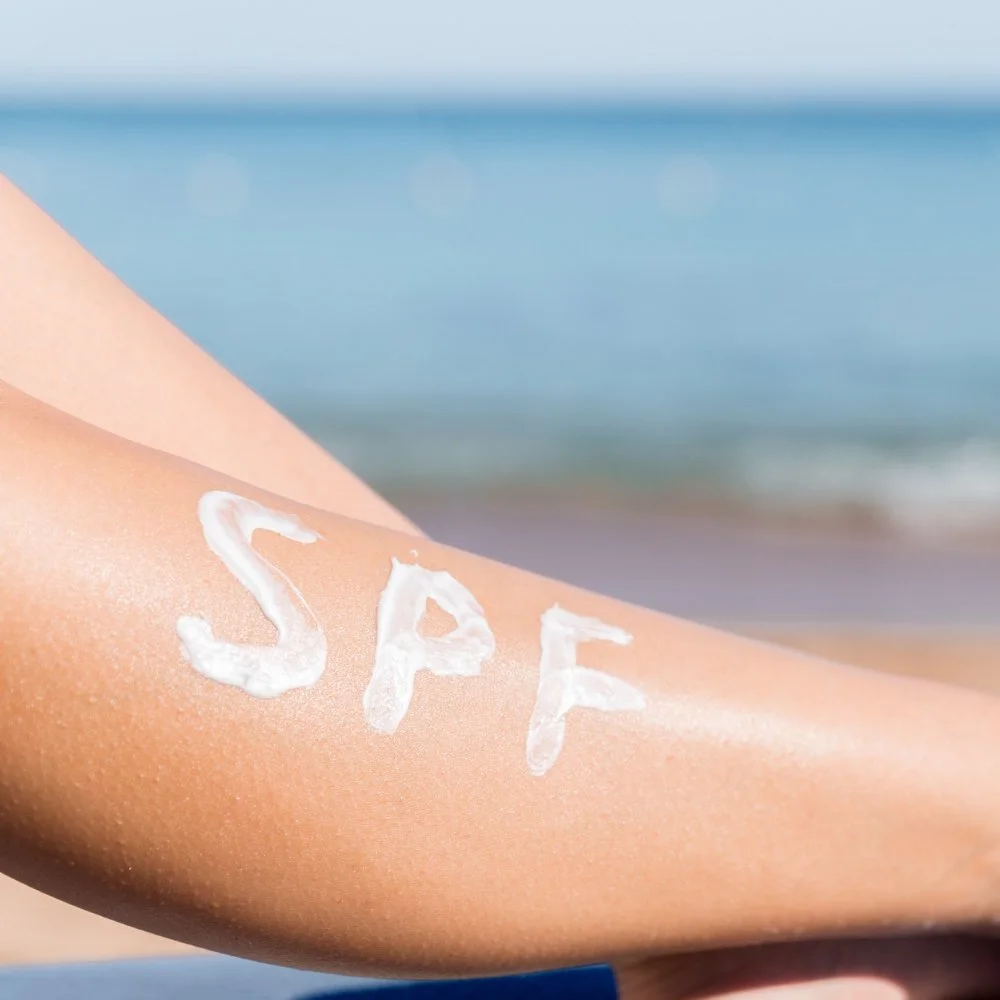
What is SPF and how to understand it?
What is SPF?
To understand the concept of SPF, we first need to define it. SPF is an abbreviation meaning Sun Protection Factor, i.e., a measure used to determine how well sun protection products can protect our skin from UVB rays. UVB rays are the main cause of sunburn. SPF is usually indicated on sun protection products labels and ranges from 5 to 50 or even higher. However, it is important to note that SPF reflects only the level of protection against UVB rays and does not take into account protection against UVA rays, which can also damage the skin.
It is very important to understand that SPF does not indicate the overall effectiveness of a sunscreen. It is only a measure of protection against UVB rays, without taking into account variables such as sweat, water, or time spent in the sun.
How does SPF work?
SPF works by extending the time it takes for skin to become red or burn compared to unprotected skin. For example, if your skin starts to burn after 10 minutes in the sun without sunscreen, with an SPF 30 sunscreen you could theoretically stay in the sun for about 300 minutes (10 minutes x 30 SPF). However, this calculation assumes that sunscreen is applied evenly and generously, which is often not the case in real life.
It is important to mention that reddened skin does not necessarily mean you have been sunburned-facial redness can be caused by allergic reactions, a chronic skin condition-rosacea-and several other factors; what they are and how to treat them, read here.
It is important to understand that the effectiveness of sunscreen decreases over time due to factors such as sweating, swimming, and friction from clothing. Therefore, it is essential to reapply sunscreen regularly to maintain adequate protection.
It is very important to note that sunscreen must be applied generously and evenly to all exposed areas of skin. Many people underestimate the amount of sunscreen needed for proper protection. A general recommendation is to use about a full glass of sunscreen to cover the entire body. Don’t forget to pay special attention to often-missed areas such as the ears, the back of the neck, and even the tops of the feet.
Choosing the right SPF
When choosing a sunscreen, it is crucial to select the right SPF. It is important to note that the level of protection does not increase proportionally with the SPF value. For example, an SPF 30 sunscreen does not provide twice as much protection as an SPF 15 sunscreen.
It is also important to consider factors such as your skin type, the intensity of sunlight, and the duration of sun exposure. People with fair or sensitive skin may need a higher SPF to ensure proper protection, while those with darker skin may be more resistant to sun exposure and choose a lower SPF.
SPF and broad-spectrum protection
Although SPF primarily measures protection against UVB rays, it is just as important to consider protection against UVA rays. UVA rays can penetrate deeper into the skin and cause premature aging, wrinkles, and an increased risk of skin cancer.
To ensure comprehensive sun protection, look for sunscreens labeled "broad spectrum", which usually protect against both UVA and UVB rays.
The importance of comprehensive sun protection
While sunscreen with the right SPF is essential, it should not be the only measure of protection against harmful sun rays. For maximum effectiveness, it is important to use other sun protection measures as well.
Protective clothing, such as long-sleeved shirts, wide-brimmed hats, and sunglasses, can provide additional protection against UV rays. It is also recommended to seek shade during peak sun hours (usually from 10 a.m. to 4 p.m.), as this reduces direct exposure to the sun’s rays.
It is very important to follow a comprehensive approach to protecting your skin from harmful sun rays:
- Regular application: To allow sunscreen to fully absorb into the skin, it should be applied at least 15–30 minutes before sun exposure. Reapply every two hours, or more often if you are swimming, sweating, or towel-drying.
- Sun-protective clothing: Choose tightly woven, loose-fitting clothing that covers as much skin as possible. Darker colors and thicker fabrics offer better protection.
- Seek shade: Whenever possible, seek shade, especially during peak hours when the sun’s rays are strongest.
- Pay attention to reflections: Remember that surfaces such as water, sand, snow, and concrete can reflect and intensify UV radiation. Take extra precautions in such environments.
- Beware of dehydration: Protect your skin not only with sunscreen, but also make sure you drink enough water, because too little water in the body causes dehydrated skin, making it more vulnerable to harmful UV rays.
Skin becomes dehydrated not only from drinking too little water-it should also be additionally moisturized with face and body creams. Then properly hydrated skin will be less vulnerable to UV rays. To learn more about why it’s also important to moisturize the skin, read here.
Understanding SPF is essential for making informed decisions about sun protection. While SPF measures the level of protection against UVB rays, it is important not to forget that comprehensive sun protection also includes protection against UVA rays. To maintain healthy skin, it is crucial to choose the right SPF, complement it with other sun protection measures, and follow a holistic approach to sun protection.
So, the next time you go out in the sun, remember to prioritize sun protection-apply sunscreen generously, seek shade, and wear protective clothing. By adopting a sun-friendly lifestyle, you can enjoy the outdoors while protecting your skin from the harmful effects of UV radiation.
However, most people want to look tanned at least during the warm season. To achieve a perfectly tanned body effect without harmful sunbathing, in our range you will find a wide selection of sun care products: the best sun protection, self-tanning products, and if you want to tan naturally, our range also includes tan-boosting products, which also protect the skin from harmful sun rays and help prevent the appearance of signs of aging.