Skin texture
Skin: Overview
Skin is the body’s largest organ, covering on average more than 600 square centimeters. Its primary role is to act as a barrier, protecting us from environmental influences, including harmful microorganisms, physical injuries, and ultraviolet (UV) radiation. It also plays an important role in temperature regulation, sensation, and vitamin D synthesis.
Layers of the Skin: A Three-Part Symphony
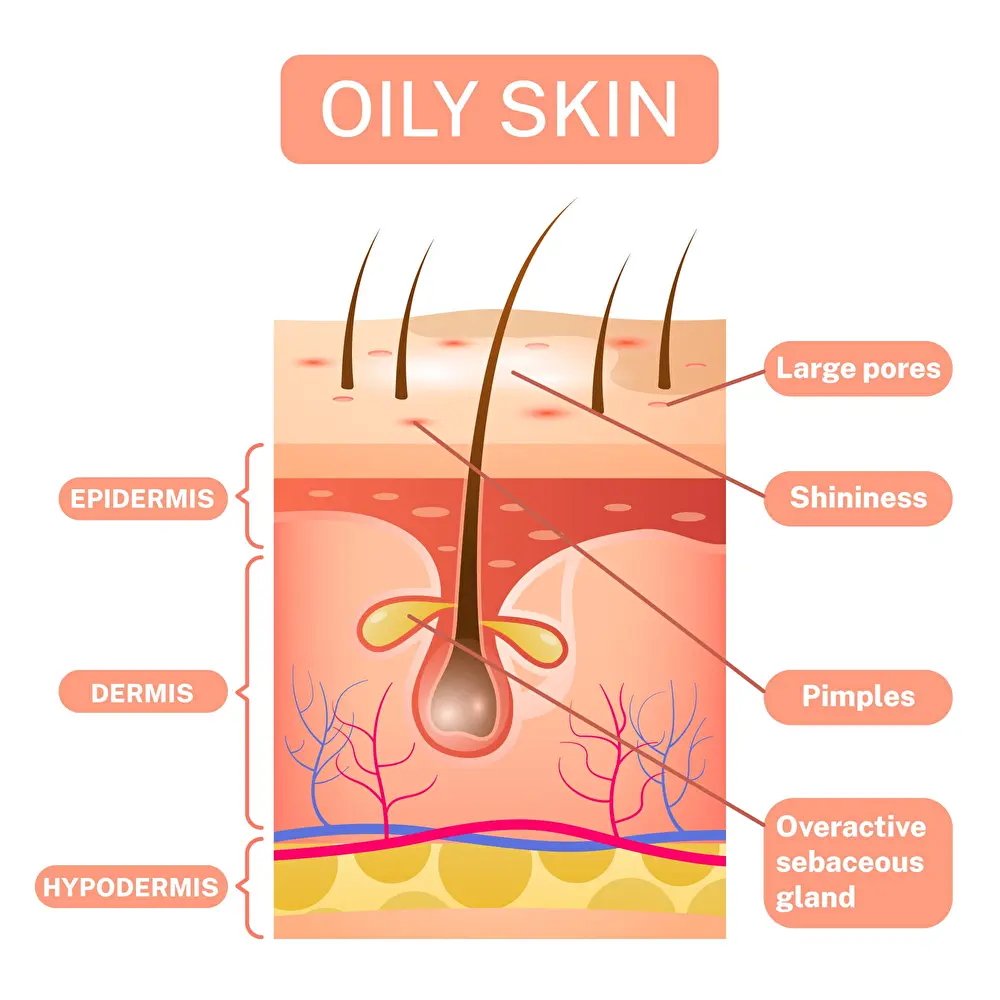
Skin is divided into three main layers: the epidermis, dermis, and hypodermis (also called the subcutaneous layer). Each layer has a unique cellular and tissue composition and performs different functions.
Epidermis
This is the outer layer of the skin. The epidermis is the body’s primary defense against environmental impact. This layer consists of several sublayers that contain:
- Keratinocytes, cells that produce keratin, a protective protein.
- Melanocytes, cells that produce the pigment melanin.
- Langerhans cells, part of the immune system.
- Merkel cells, touch receptors.
Dermis
Beneath the epidermis is the dermis-a thicker layer filled with a matrix of collagen (read more about collagen, its benefits, functions, and sources here) and elastin fibers, which provide the skin with strength, elasticity, and flexibility. It contains hair follicles, sweat glands, sebaceous glands, blood vessels, lymph vessels, and nerves. This layer is responsible for thermoregulation, sensation, and the production of skin oils and sweat.
Hypodermis (subcutaneous layer)
The inner layer of the skin, the hypodermis, consists of loose connective tissue and fat cells, acting as insulation and a cushion that protects deeper tissues and organs. It also serves as an energy reserve and a pathway for nerves and blood vessels.
Each layer of the skin is made up of different types of cells that play specific roles. Most of the cells in the epidermis are keratinocytes, which provide a water-resistant barrier. Melanocytes determine skin color and protect against UV radiation. Langerhans cells provide immune defense, and Merkel cells enable the sense of touch. The dermis contains fibroblasts, which produce collagen and elastin, ensuring the skin’s strength and elasticity. In the hypodermis, adipocytes store energy and provide insulation.
Skin Microbiome
The skin is also home to millions of microorganisms, including bacteria, viruses, and fungi, collectively known as the skin microbiome. This community of microbes plays an essential role in skin health by helping protect the skin from pathogenic invaders and regulating immune responses.
Skin is a marvel of biological engineering, as each layer and cell type plays a specific role in maintaining our health and resilience. By understanding the structure of the skin, we can better understand skincare and the importance of caring for this vital organ. Read more about the importance of skincare and tips on how to keep it healthy and well cared for here.