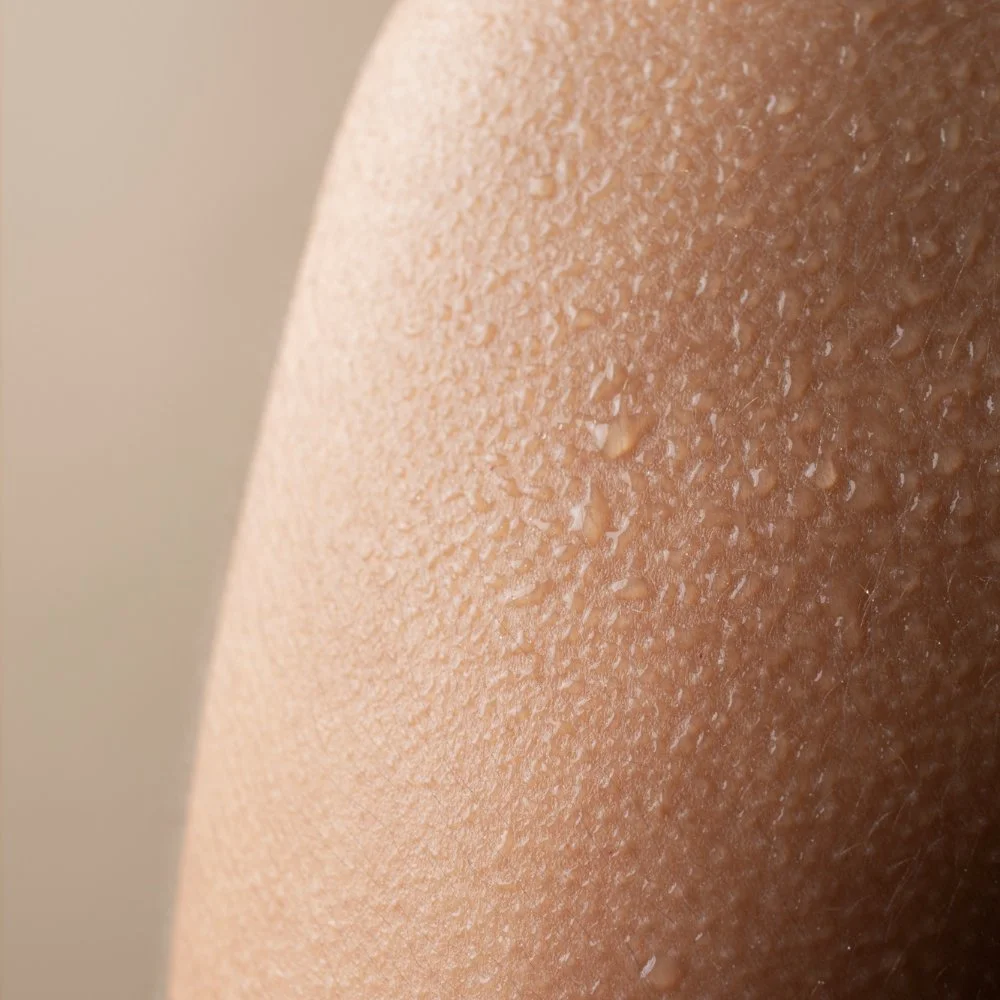
What is the epidermis?
What is the epidermis?
The epidermis is the outer layer of the skin, located above the dermis and hypodermis. It is a shield that prevents harmful substances and infectious agents from entering your body, while also preventing the loss of moisture and essential nutrients. Despite its seemingly simple exterior, the epidermis is a dynamic ecosystem of cells and processes.

Layers of the epidermis
The epidermis itself consists of five different layers, each playing a unique role. Starting from the outer layer, we have the stratum corneum - a barrier of dead cells that prevents water loss and protects against environmental threats. The Stratum Lucidum, usually found in thicker skin, such as the soles of the feet or palms, helps protect against pressure and friction. The Stratum Granulosum maintains the skin’s moisture balance, while the Stratum Spinosum ensures strength and flexibility. Finally, the Stratum Basale is the deepest layer, responsible for cell production and melanin formation.
Functions of the epidermis
Although the epidermis is thin, it performs many tasks. It acts as a barrier, protecting our body from harmful external factors, such as bacteria and ultraviolet (UV) rays. It regulates water loss, helping to prevent dehydration, and performs a sensory function, as it contains nerve endings that allow us to feel touch, pressure, and temperature. The epidermis also participates in the complex process of wound healing.
Epidermal cells and their functions
There are four main types of cells in the epidermis:
- Most of them are keratinocytes, which produce keratin - a protein that gives the skin structural integrity (read more about what keratin is here).
- Melanocytes are responsible for the production of melanin, which determines the color of the skin, hair, and eyes and provides some protection against UV rays.
- Langerhans cells are part of the immune system, identifying and helping to eliminate threats such as bacteria and viruses.
- Finally, Merkel cells, associated with nerve endings, allow us to perceive tactile stimuli.
Skin color and the epidermis
Our skin color is mainly determined by melanin - a pigment produced by melanocytes in the epidermis. People with darker skin have melanocytes that produce more melanin, while those with lighter skin produce less. Exposure to sunlight stimulates melanin production, causing the skin to tan, which is the body’s way of protecting the skin from harmful UV rays.
Common problems related to the epidermis
Several common skin conditions affect the epidermis. Psoriasis and eczema are inflammatory conditions that cause itchy, red patches. Skin cancer can also develop in the epidermis, usually due to long-term exposure to UV rays. Early detection and treatment of these conditions are very important, so regular self-checks and visits to a dermatologist are recommended.
Care of the epidermis
Maintaining a healthy epidermis requires a few simple and consistent steps:
- Moisturize the skin regularly. Skin hydration is very important for many reasons, so read more about the importance of skin hydration here.
- Follow a balanced diet.
- Protect the skin from excessive sun exposure.
- Use skin care products that support the skin’s natural barrier function.
Always listen to your skin - dryness, sensitivity, or frequent breakouts may be signs that it needs more attention.
Understanding the epidermis reveals how important its role is in our overall health. This thin outer layer performs more functions than it may seem at first glance - from skin color to protection against external threats. By learning how it functions, we can better appreciate its importance and learn how to care for it properly.