What is Keratosis?
Keratosis is an overgrowth or abnormal buildup of keratin, a tough protein that makes up the outer layer of the skin. More information about what keratin is can be found here. Due to this excess keratin, the skin becomes rough, flaky, or small wart-like growths may appear. Although keratosis can occur in people of any age or gender, it is more commonly seen in older individuals.
Types of keratosis
Actinic keratosis (Sun keratosis)
This type of keratosis is most often caused by long-term sun exposure. It typically appears as rough, red, or brown patches on sun-exposed areas of the skin, such as the face, scalp, ears, neck, arms, and hands. Actinic keratosis is considered a precancerous condition because, if left untreated, it can develop into squamous cell carcinoma.
Seborrheic keratosis
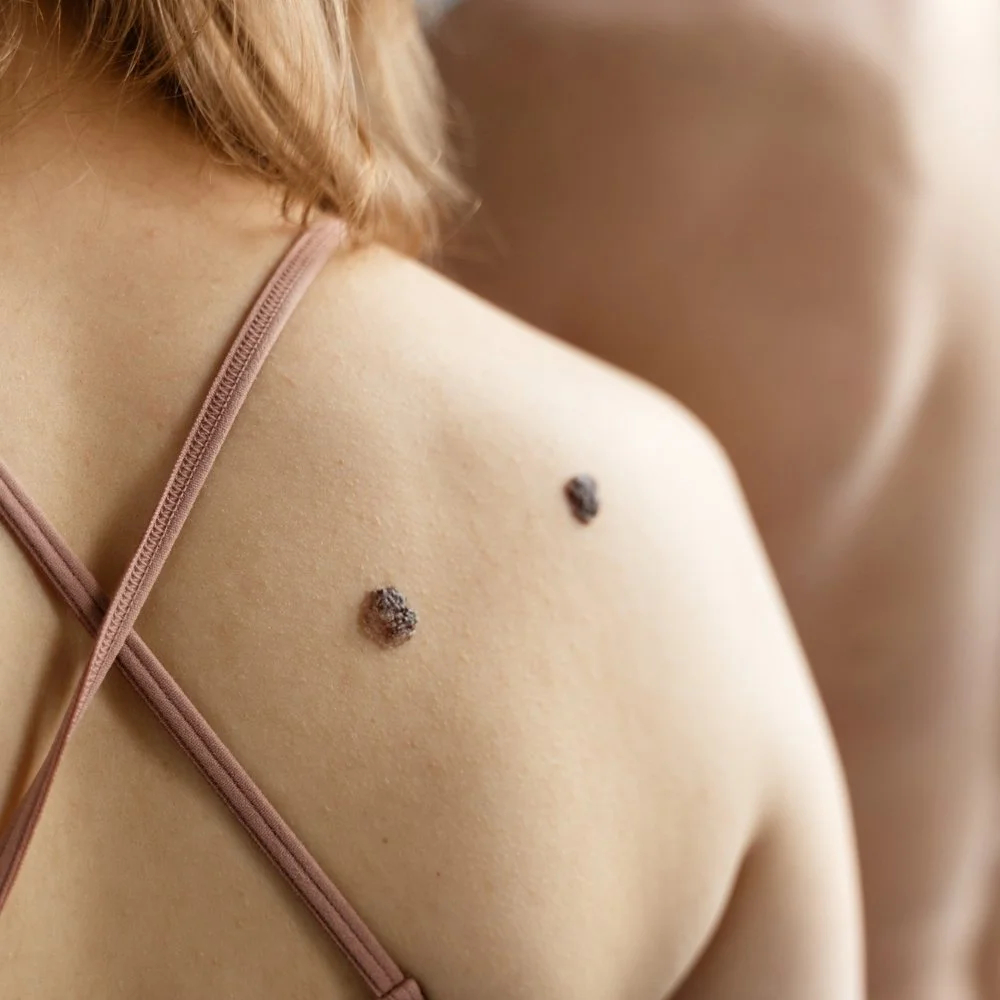
Seborrheic keratosis usually presents as raised, wart-like growths that are brown, black, or tan in color. These growths can occur anywhere on the body, but they are most commonly found on the face, chest, shoulders, and back. Seborrheic keratosis is a benign condition and does not pose any risk of developing into skin cancer.
Keratosis Pilaris
Keratosis, also known as "chicken skin", appears as small, rough bumps on the upper arms, thighs, buttocks, or cheeks. This condition is usually associated with dry skin and occurs more often in individuals who have previously had eczema or asthma.
Causes and risk factors
The exact causes of keratosis are not fully understood. However, several factors are known to contribute to its development:
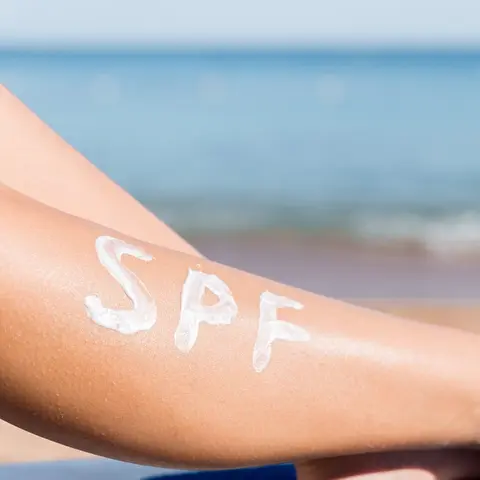
- Sun exposure. A major risk factor for actinic keratosis is prolonged and unprotected exposure to ultraviolet (UV) rays from the sun. It is very important not to forget to use sun protection with the broadest possible SPF spectrum. Read more about what SPF is and how to understand it here.
- Aging. With age, the risk of developing keratosis increases because the skin becomes less efficient at removing dead skin cells. Therefore, you should not forget about facial and body exfoliators. Exfoliating the skin should be done preventively for both young and aging individuals. To learn more about the benefits and types of exfoliation and how to do it properly, read here.
- Genetics. Some individuals may have a genetic predisposition to keratosis, as this condition can run in families from generation to generation.
- Skin type. People with fair skin, blonde or red hair, and light-colored eyes are more susceptible to keratosis.
Symptoms
Symptoms of keratosis vary depending on the type, but some common signs include:
- Rough, scaly patches or growths on the skin
- Discolored or pigmented areas
- Itching or sensitivity
- Sensitivity to touch or friction from clothing
- Increased size or thickness of a pre-existing growth
Treatment options
The goal of keratosis treatment is to relieve symptoms, improve the appearance of affected skin, and in the case of actinic keratosis, prevent the progression to skin cancer:
- Topical medications: Prescription creams or gels containing retinoids or salicylic acid can help reduce the size and thickness of keratosis lesions.
- Cryotherapy: Liquid nitrogen is used to freeze and destroy altered skin cells. This is the most commonly used treatment for actinic and seborrheic keratosis.
- Curettage and electrodesiccation: This is a procedure in which the keratosis growth is scraped off with a curette (a sharp, spoon-shaped instrument), and then an electric current is used to stop bleeding and destroy any remaining abnormal cells.
- Laser therapy: Certain types of laser procedures can be used to remove keratosis growths. Laser therapy is often chosen for its precision and its ability to reduce scarring.
- Chemical peeling: A chemical solution is applied to the affected area, causing the top layer of skin to peel off. This helps improve the appearance of keratosis lesions and encourages the growth of new, healthier skin.
Prevention and self-care
Although not all forms of keratosis can be completely prevented, there are steps you can take to reduce your risk and manage this condition:
- Protect yourself from the sun: Limit time in the sun, especially during peak hours (10 a.m. to 4 p.m.), and use a broad-spectrum sunscreen with an SPF of at least 30. Wear protective clothing such as long sleeves, pants, a wide-brimmed hat, and sunglasses.
- Moisturize your skin regularly: Moisturizing the skin can help reduce dryness and flaking associated with keratosis. Use moisturizing face and body creams containing ingredients such as urea or lactic acid to help exfoliate and soften the skin. Read more about the importance of skin hydration here.
- Avoid harsh exfoliants and irritants: Abrasive scrubs and harsh chemicals can worsen keratosis symptoms. Choose gentle body or facial cleansers and avoid excessive exfoliation or rubbing.
- Maintain a healthy lifestyle: Avoid smoking and excessive alcohol consumption, eat a healthy diet, and stay physically active.
In summary, keratosis is a fairly common skin condition characterized by abnormal keratin buildup. Although it can be concerning, most forms of keratosis are harmless or easily treatable. If you notice unusual skin growths or changes, it is advisable to consult a dermatologist for an accurate diagnosis and an appropriate treatment plan. By understanding the different types of keratosis, its causes, symptoms, and possible treatment methods, you can take proactive steps to manage this condition and maintain healthy skin. Remember that regular sun protection and proper skincare can help prevent or reduce the impact of keratosis on your skin’s health and appearance.