Vitamin C serum or niacinamide: which should you choose for your skin?
Why Has Vitamin C Serum Become a Skincare Routine Staple?
Vitamin C is one of the most extensively studied antioxidants in skincare. It neutralizes free radicals, brightens pigmentation spots, and supports collagen synthesis. That is why a vitamin C face serum is often recommended as the first serious step after the basics of moisturizing.
But is the same formula suitable for everyone? No. Strong ascorbic acid can irritate sensitive skin, while for oily skin, a lightweight emulsion will work better than an oil-based formula. That is why it is important to understand your skin’s needs before buying.
Vitamin C or Niacinamide – How Do They Differ?
Customers often ask whether to choose vitamin C or niacinamide. The answer depends on what you want to change in your skin. Both ingredients are excellent, but they work in different areas.
What Vitamin C Does
Vitamin C primarily targets tone and pigmentation. It inhibits melanin production, so old sun spots become less visible after a few weeks. It brightens the overall complexion and gives the skin a glow. In the morning, it acts as an antioxidant and enhances SPF protection against pollution and UV rays.
There are several types of formulas: pure ascorbic acid (L-ascorbic acid) is the strongest but unstable. Gentler forms – ascorbyl glucoside, ethyl ascorbic acid, tetrahexyldecyl ascorbate – are suitable for more sensitive skin. We discuss how much strength you need in more detail in the article about vitamin C serum strength.
What Niacinamide Does
Niacinamide (vitamin B3) works differently. It regulates sebum production, reduces the appearance of pores, calms redness, and strengthens the skin barrier. If your skin gets shiny in the T-zone, if pores are visible, or if post-acne marks often appear, niacinamide will be your ally. More on this in the text niacinamide for skin.
Can They Be Used Together?
Yes. The old myth that vitamin C and niacinamide “neutralize” each other has already been debunked. Modern formulas coexist perfectly well. However, for beginners, we recommend not layering them at the same time – it is better to use vitamin C in the morning and niacinamide in the evening. This way, the skin receives a clear signal and the risk of irritation is reduced.
If you are not sure which serum to choose first, read the guide how to choose the most suitable face serum. It explains in detail how to assess your skin type, needs, and texture preferences. In short: for dry skin with pigmentation – vitamin C with moisturizing additives. For oily skin with enlarged pores – niacinamide. For sensitive skin – a gentle form of vitamin C in a lower concentration.
Why does a vitamin C serum brighten the skin for some clients in two weeks, while for others it changes nothing? Our cosmetologists notice one common mistake: the serum is used without SPF. Vitamin C increases the skin’s sensitivity to light during the first weeks, so without sun protection, pigmentation not only fails to fade but may even become more pronounced. We recommend: in the morning, treat clean skin with a vitamin C serum, wait 2 minutes, then apply moisturizer and always SPF 30 or higher. In the evening, use niacinamide or a product that promotes renewal. This way, the two active ingredients work without conflict and without overloading the skin.
How to incorporate vitamin C serum into your daily routine?
Start slowly. During the first week, use the serum every other morning so your skin can get used to it. In the second week, use it daily. 3-4 drops will be enough for the entire face and neck.
The morning routine looks like this: cleansing, toner (if you use one), vitamin C serum, moisturizer, SPF. The evening routine: cleansing, niacinamide or another serum, cream. Do not use vitamin C with retinol or AHA acids at the same time—this is too much stress for the skin.
Store the serum in a dark place and keep it closed. If the liquid has turned yellow to orange, the active ingredients have already oxidized and there will be no effect. High-quality formulas in dark bottles with a pipette maintain stability for 3-6 months after opening.
When can you expect changes? You will notice radiance within 2 weeks. Pigmentation spots fade more slowly—after 6-12 weeks of consistent use. Patience is more important here than concentration. For a wider selection, see face serums and concentrates.
Three serums recommended by our cosmetologists
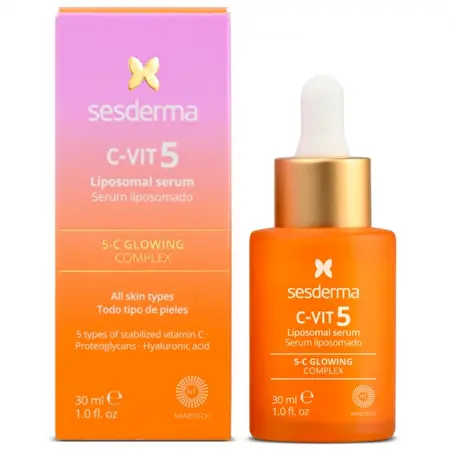
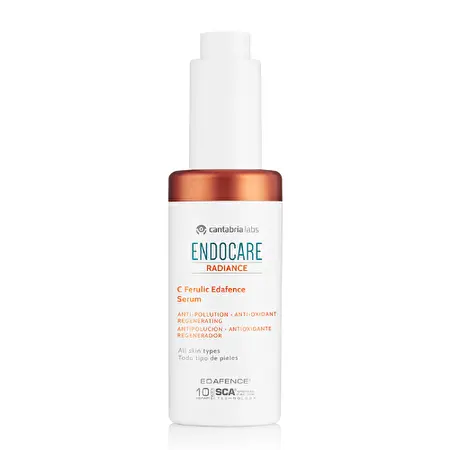
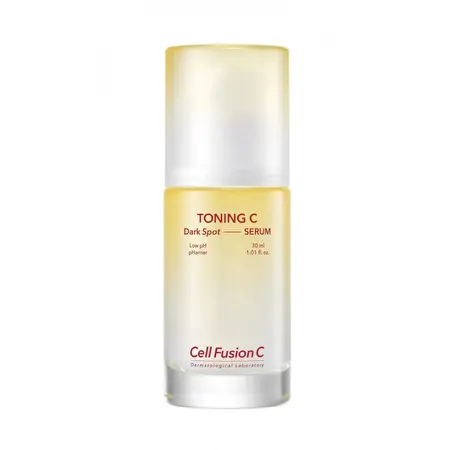
We have selected three different vitamin C serums based on skin needs: one for hydrating radiance, another for antioxidant protection in urban conditions, and a third for brightening uneven skin tone. They differ in texture, intensity, and forms of vitamin C, making it easier to find the one that suits you.