What Is Organic Cosmetics?
Organic cosmetics are products in which the majority of ingredients are derived from organically grown plants. This means that the raw materials are grown without synthetic pesticides, fertilizers, or genetically modified organisms. It sounds simple. But in practice, such formulations require strict control from the field to the bottle.
How does this differ from natural cosmetics? Natural cosmetics use natural ingredients, but they are not necessarily grown organically. Organic cosmetics go one step further—they are certified and meet specific growing and processing standards. This is important for customers looking for a cleaner formula and a more sustainable choice.
How Does Organic Cosmetics Differ from Conventional Cosmetics?
There are several differences, and they begin even before an ingredient ends up in the bottle. Conventional cosmetics often use synthetic preservatives, fragrances, silicones, and mineral oils. In organic skincare products, such substances are avoided or replaced with plant-based alternatives. As a result, ingredient lists are often shorter and clearer.
Ingredient Origin and Processing
In organic cosmetics, plant oils, extracts, and hydrolats are sourced from organic farms. During processing, aggressive chemical processes are avoided—cold pressing, distillation, and natural fermentation are used instead. Such ingredients retain more active substances. Customers notice this after a few weeks of use—the skin looks calmer and less reactive.
Certifications Worth Checking
The most reputable labels in Europe are COSMOS Organic, NaTrue, Ecocert, and BDIH. Each has its own requirements, but all confirm that at least 95% of plant-based ingredients are organic. If there is no such label on the packaging, it is worth reading the ingredient list more carefully. Marketing terms such as “natural inspired” or “botanical” do not necessarily mean that the product is certified.
How to Read the Label?
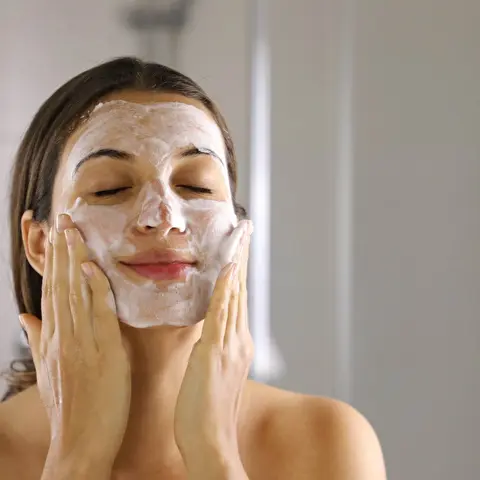
The INCI list always shows ingredients in descending order by concentration. The first five ingredients make up the majority of the product. Look for the * or ** marking, which indicates organic origin. Organic facial care often relies on components such as Aloe Barbadensis, Rosa Damascena, Argania Spinosa oil, and Butyrospermum Parkii butter. Before choosing a cleanser, it is helpful to understand the general facial cleansing steps—this makes it easier to assess whether an organic alternative fits your routine.
What Does Organic Cosmetics Offer the Skin?
A gentler effect on sensitive skin, a lower risk of allergies, and better compatibility with the skin microbiome. Organic cosmetics also place less burden on the body in the long term. But it is important to understand that “organic” does not automatically mean “more effective.” A product should be chosen according to your skin type and needs.
Is organic cosmetics equally suitable for all skin types? Our cosmetologists note that the answer is not so simple. We recommend starting with one or two organic products—most often a facial oil or hydrolat—and observing the skin’s reaction for two weeks. Sensitive skin usually responds positively. Oily and problem-prone skin requires more careful selection of oil compositions, as some plant oils can clog pores. We advise not following trends and not changing your entire routine overnight. A conscious transition provides better results than suddenly replacing all products.
How to Choose Organic Cosmetics Based on Skin Type?
First, assess your skin’s needs. Dry skin needs richer textures with plant butters and oils - argan, jojoba, shea. Oily skin benefits from lightweight hydrolats, green tea extracts, and salicylic acid from willow bark. Combination skin responds best to gel textures with moisturizing plant-based ingredients.
Sensitive skin prefers short ingredient lists without essential oils and strong fragrances. Even natural essential oils can cause a reaction, so for reactive skin, choose products labeled “fragrance-free” or “fragrance free”. Mature skin responds well to products with rose oil, pomegranate seed oil, and vitamin E in its natural form.
A few practical rules when buying. Check the certification mark on the packaging. Read the INCI list, not the marketing claims on the front. Pay attention to the expiration date - organic products often have a shorter shelf life because they contain fewer synthetic preservatives. Start by ordering a smaller package or trial size. You can view all organic cosmetics in one place and compare formulations according to your skin type.
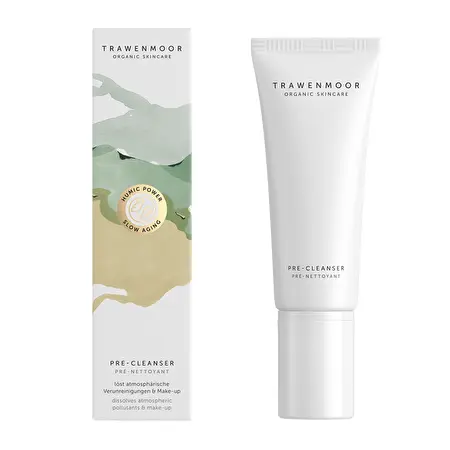
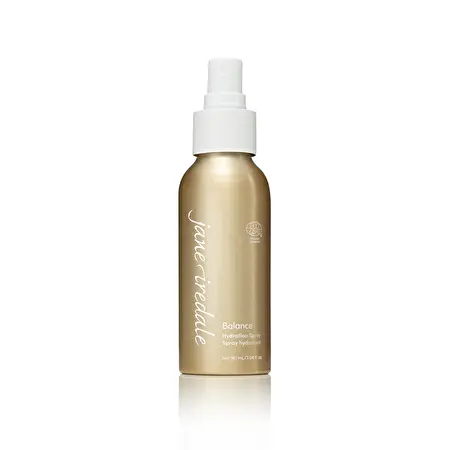
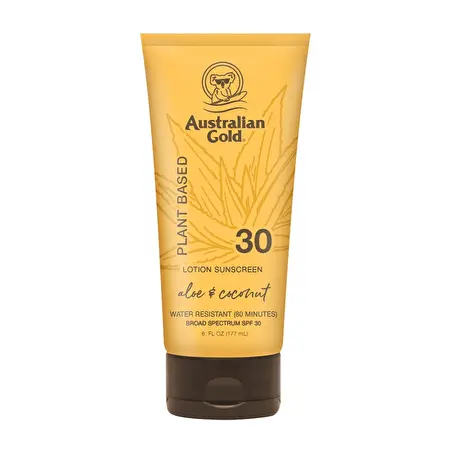
Three products suitable for starting an organic routine
We have compiled a short list of products that reflect the principles of an organic and natural approach well—from facial cleansing to hydration and sun protection. These are examples from different brands that will help you start a mindful daily routine without unnecessary steps.