Why Is Daily Skin Care More Important Than Expensive Products?
Clients often ask which product will “change everything.” The answer is surprising. What matters more to the skin is what you do every day, not what you use once a week. Consistency beats intensity.
That is exactly why daily skin care is the main tool in a cosmetologist’s work. Three or four properly selected products, used morning and evening, provide more benefits than ten expensive products waiting in a drawer. The skin needs rhythm, not surprises. When there is rhythm, change follows.
What Are the Main Skincare Steps?
Your entire morning and evening routine fits into five steps. Not all of them are necessary every day, but understanding the order is essential. First come more fluid products, then richer ones; active ingredients before occlusive creams.
1. Cleansing - the foundation of the entire routine
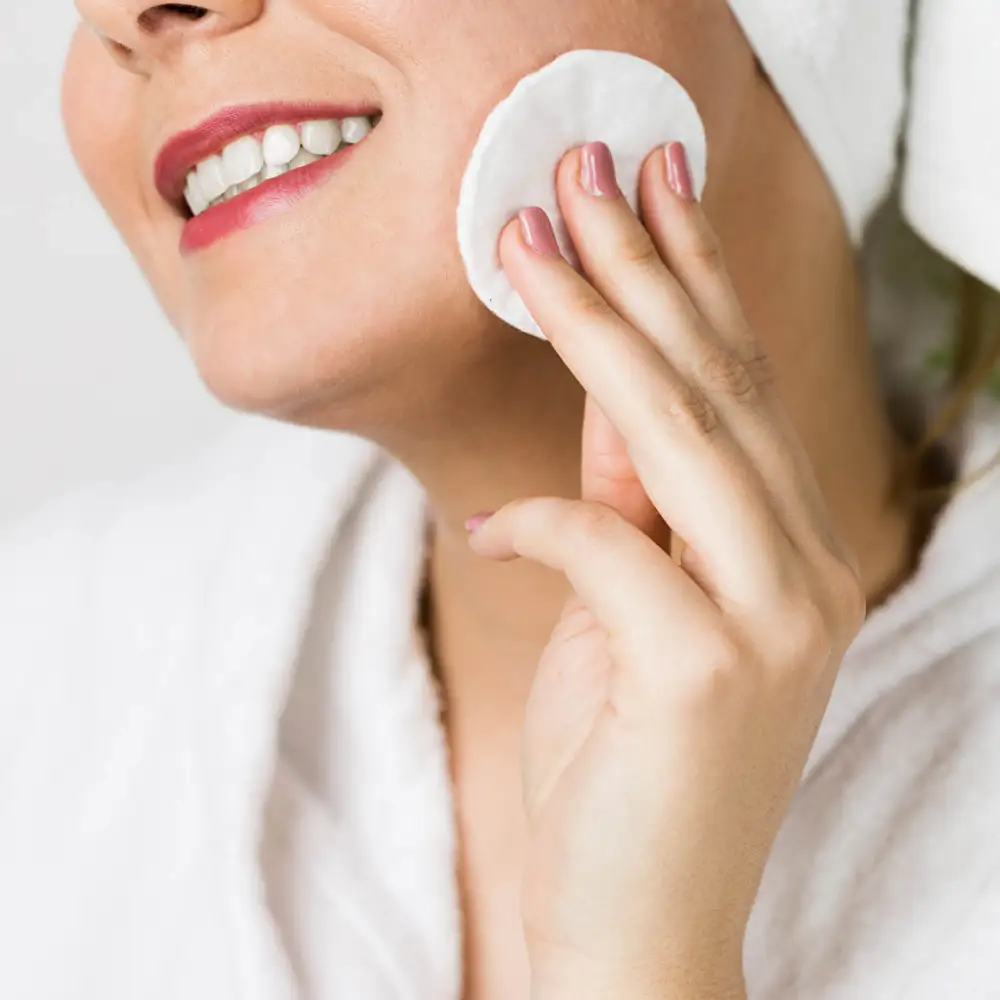
In the morning, a gentle cleanser or emulsion is enough. In the evening - double cleansing if you used SPF or makeup during the day. How to properly perform the facial cleansing steps depends on your skin’s condition, but never rub your skin with a towel - just press it gently.
2. Toner - restoring the skin’s pH
Toner prepares the skin for the next steps. For dry skin, choose hydrating, alcohol-free formulas. For oily skin - lightly balancing ones. For sensitive skin - soothing ones with panthenol or allantoin.
3. Serum - concentrated effect
A serum addresses a specific concern: pigmentation, signs of aging, dehydration, acne. In the morning, we more often choose antioxidant formulas (vitamin C, niacinamide), in the evening - restorative ones (peptides, retinoids, hyaluronic acid).
4. Cream - locking in moisture
Facial skin hydration is not limited to water. A cream creates a barrier that prevents moisture from evaporating. For dry skin - richer textures with lipids. For oily skin - lightweight gels or lotions. For combination skin, you can use two different textures on different areas.
5. SPF - only in the morning, but always
Daily SPF protection is the only step that no serum can replace. UV rays affect the skin even through clouds and windows. Without it, the entire routine loses its purpose - at night the skin works, during the day it must be protected.
In the evening, SPF is replaced with a slightly richer cream or a specific night-time product. Always choose products according to your skin type, not according to trends or a friend’s recommendation.
Why does the skin sometimes get worse even when following a routine carefully? Our cosmetologists note that the most common reason is too many active ingredients at once. A customer buys an acid serum, retinol, vitamin C, and niacinamide as well—and starts using everything in the same week. The skin simply gives in. We recommend introducing new products one at a time, every two weeks. This way, you can clearly see which one works and which one causes irritation. And one more thought: if a cream does not absorb within a minute, it is too heavy for your skin. Listen to it—it tells you everything.
How to Adapt a Routine for Different Skin Types?
There is no universal routine. The same sequence of products works for everyone, but textures and active ingredients should differ. Here is how to adapt it.
For dry skin: avoid foaming cleansers in the evening. Choose milks or oils. A toner is essential—hydrating, with glycerin. A serum with hyaluronic acid should be applied to damp skin. The cream should be richer, with ceramides or butters.
For oily skin: cleanse morning and evening, but gently—aggressive cleansers encourage even more sebum production. A niacinamide serum helps balance the skin. The cream should be lightweight, without comedogenic oils. SPF should be mattifying, with a gel texture.
For sensitive skin: less is more. Three products are enough: a gentle cleanser, a soothing cream, and a mineral SPF. Acids and retinoids should be used only after consulting a specialist.
For combination skin: zoning. Cheeks can receive a richer cream, while the T-zone can use a lighter one. There is no need to look for one product for the entire face.
Add extra facial care products—masks, exfoliants, eye area products—only once the basic routine has been working consistently for at least a month.
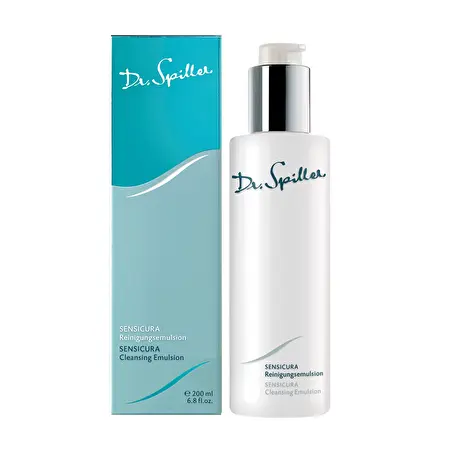
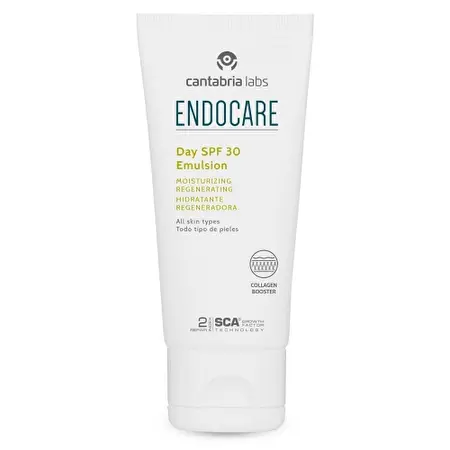
Three products for a clear daily routine
To make it easier to get started, we have selected products covering three different steps: a gentle facial cleanser, a moisturizing cream for comfort, and a daytime lotion with SPF for morning protection. Together, they create a simple yet complete routine without unnecessary products.