AHA Acids for Skin: Glycolic, Lactic, Mandelic – Which One Is Right for You?
What Are AHA Acids and How Do They Affect the Skin?
AHA acids, or alpha hydroxy acids, are water-soluble acids derived from sugar cane, milk, fruit, and almonds. They work in the surface layer of the epidermis—they weaken the bonds between dead cells and allow them to shed more quickly. The skin appears smoother, brighter, and more even in tone.
Our cosmetologists often explain it simply to clients. AHAs do not scrape the skin. They accelerate the natural cell renewal cycle, which slows with age from 28 to 40 days or more. Therefore, with regular use, a reduction in dullness, fine lines, and uneven pigmentation can be noticed.
Glycolic, Lactic, and Mandelic Acids: Which AHA Is Right for Your Skin?
All three belong to the AHA group, but they work differently. The difference is determined by the size of the molecule. The smaller the molecule, the deeper it penetrates and the stronger the effect. This is a simple rule worth remembering when choosing a product.
Glycolic Acid - the Strongest and Deepest-Acting
Glycolic acid has the smallest molecule of all AHAs. It penetrates the deepest and works the strongest. It is suitable for normal, oily, thickened skin, as well as mature skin with pigmentation spots and fine lines. Concentrations for daily care usually range between 5 and 10 %.
However, for sensitive or thin skin, glycolic acid is often too strong. Redness, tingling, and peeling may occur. If the skin has not previously been accustomed to acids, it is better to start with a gentler option.
Mandelic Acid - the Gentlest and Safest for Beginners
Mandelic acid is derived from bitter almonds and has the largest molecule. It works slowly and on the surface, so it is less likely to irritate. It is the best choice for sensitive skin, skin prone to rosacea, and darker phototypes that easily develop pigmentation after stronger treatments.
Mandelic acid also has a mild antibacterial effect. Therefore, it is excellent for acne-prone skin for which glycolic acid would be too strong. Customers often ask whether it is worth starting with mandelic acid. The answer is yes, if you are unsure about your skin's tolerance.
Lactic Acid - Exfoliates and Hydrates at the Same Time
Lactic acid occupies the middle position between glycolic and mandelic acids. But it has one unique property - it attracts and retains water in the skin. It is the only AHA that also hydrates. Ideal for dry, dehydrated, dull skin that needs both renewal and moisture.
Lactic acid is often chosen for mature skin that is starting to feel drier. It gently removes dead cells while leaving the skin softer. Concentrations from 5 to 10 % for daily care are suitable for almost everyone.
Want a stronger effect for oily or combination skin with clogged pores? Then it is worth combining AHA with BHA acid, which works inside the pore. These are two different tasks, but they complement each other perfectly.
Clients often ask why their skin started peeling after the first use of an acid. The answer is simple—it was introduced too aggressively. Our cosmetologists always recommend introducing AHA gradually: use it only 1–2 times during the first week, 3 times during the second week, and only then move on to daily use if the skin tolerates it well. In the evening, on clean, dry skin, before serum and cream. Never use AHA on the same evening as retinol or vitamin C—the skin is put under too much stress and reacts with irritation.
How to use AHA acids safely every day?
Safe use is half the battle. AHA acids thin the superficial layer of the skin, making the skin more sensitive to the sun. This is not a myth, but a biological fact. Without proper protection, the result will be the opposite of what you want: instead of brighter skin, you will get new pigmentation spots.
Use AHA only in the evening. In the morning, the skin is exposed to the sun, so acids should be applied during your evening routine, after cleansing and before moisturizer. Wait 1-2 minutes for the product to absorb, and only then apply the next layer.
In the morning, be sure to use SPF 30 or higher. This is non-negotiable. Sun protection is the product that determines whether AHA will give you smoother skin or new problems. Apply it daily, including in winter and on cloudy days.
Start with a lower concentration. 5 % glycolic or 8 % mandelic acid is completely sufficient to begin with. Observe how your skin reacts during the first two weeks. If persistent redness or burning occurs, reduce the frequency of use or switch to a gentler acid.
Three AHA Products We Recommend
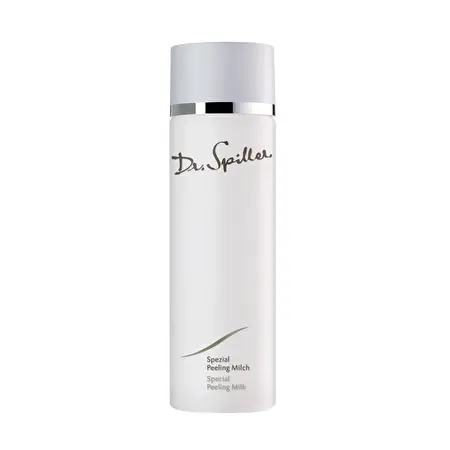
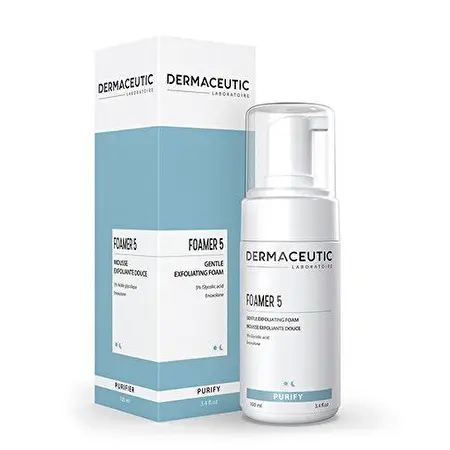
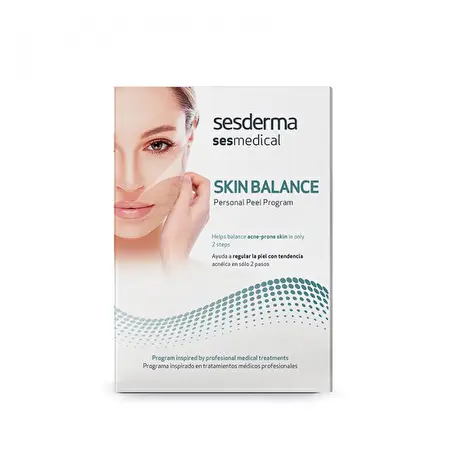
For beginners and sensitive skin, we recommend gentler formulas, while for thickened or mature skin, stronger-acting products. All three are suitable for daily evening care and help safely incorporate AHA into your routine. Choose according to your skin type and tolerance level.