Skin Structure: Layers, Functions, and Why It Matters for Care
Why Is It Worth Understanding the Structure of the Skin?
When you understand what your skin is made of, skincare choices become clear. A serum with small molecules penetrates into the dermis. A cream with ceramides strengthens the epidermal barrier. SPF protection protects collagen in the dermis from UV rays.
Our cosmetologists see this every day: clients who understand their skin structure make better choices and achieve better results. And those who buy “what a friend recommended” often end up disappointed. That is why this article is not school biology, but a practical guide to caring for your skin.
What Is the Skin Made Of? Three Main Layers
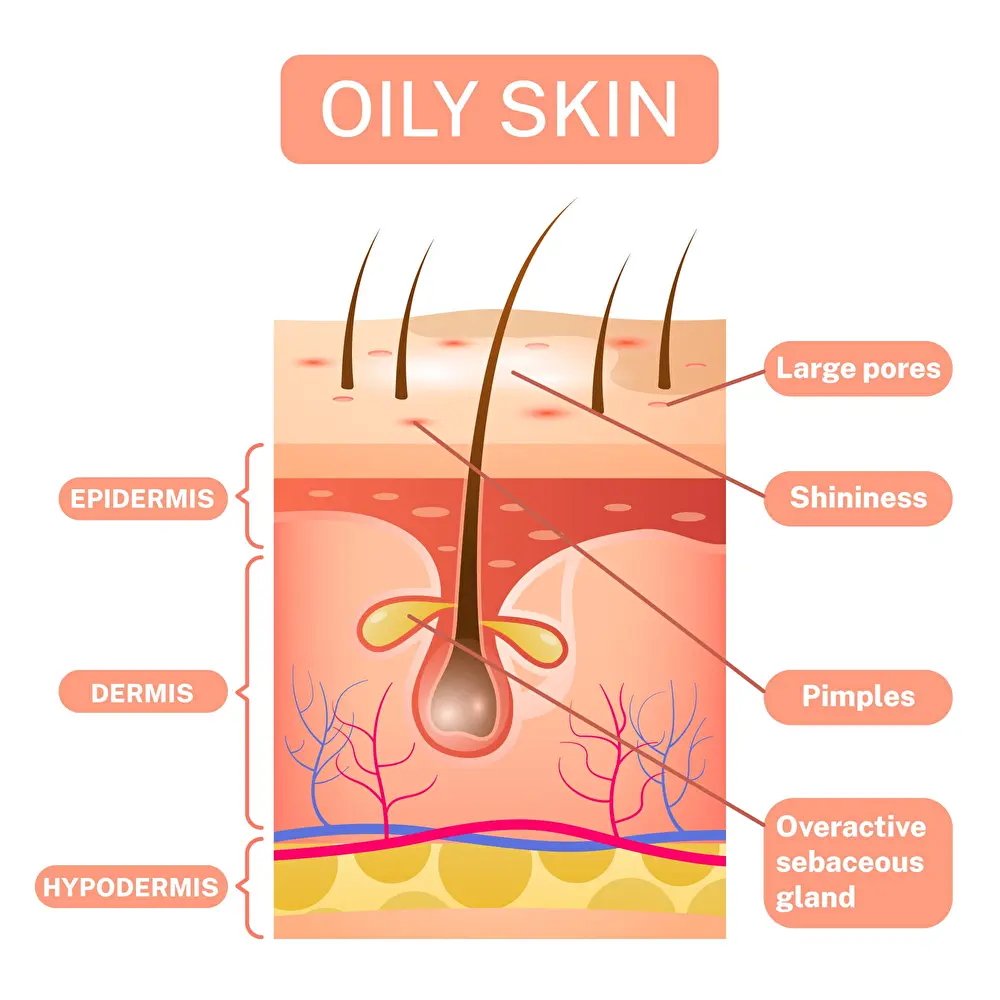
Epidermis - the outer protective layer
This is a thin but very important layer of the skin that all your creams and serums come into direct contact with. The epidermis consists of several types of cells: keratinocytes produce keratin (a protective protein), melanocytes produce the pigment melanin, which determines skin color and protects against UV. Langerhans cells (for immunity) and Merkel cells (for the sense of touch) are also found here.
On the surface of the epidermis is the so-called acid mantle - an acidic coating with a pH of about 5.5. Together with lipids and the natural moisturizing factor (NMF), it forms the skin barrier - the first line of defense. Do you know why a gentle cleanser with a pH of 5.5 is so important? Because alkaline cleansers break down this barrier.
Dermis - the middle structural layer
This is where everything that determines the skin’s youthfulness takes place. Fibroblasts live in the dermis - cells that produce collagen and elastin. Collagen provides firmness, elastin - elasticity. The dermis also contains blood vessels (nourish the skin), nerve endings (sensations), sweat and sebaceous glands.
It is in this layer that UV radiation causes the greatest damage - breaking down collagen and elastin. That is why daily SPF protection is the most important anti-ageing step. It protects the dermis.
Hypodermis - the deepest layer
The inner layer consists of adipose tissue. Its function is thermal insulation, cushioning (protection against impacts), and energy storage. The hypodermis is also a pathway for nerves and blood vessels. This layer determines facial contours - with age, it becomes thinner, so the face “deflates”.
What Is the Skin Microbiome?
Millions of microorganisms live on the skin - bacteria, viruses, and fungi. This is not something harmful, but an ecosystem essential for skin health. A balanced microbiome helps maintain the barrier and protects against pathogens. Harsh cleansers, too-frequent exfoliation, or antibiotics can disrupt this balance. That is why gentle care is not a luxury, but a necessity.
Does your skin feel tight, become red, or react to almost everything? Most skin problems start with a damaged barrier. First, restore it with ceramides and gentle fragrance-free products. Reduce exfoliation, add hydration, and give your skin 2–3 weeks to recover. This is usually enough.
How to Maintain a Healthy Skin Structure Every Day?
Gentle cleansing. Choose cleansers with a pH of 5.5 — this matches the skin’s natural acidity. Alkaline cleansers (soaps) disrupt the acid mantle and damage the barrier.
Multi-layer hydration. Hyaluronic acid attracts moisture, ceramides restore the barrier, and urea helps the skin retain its own moisture. It’s best to combine several ingredients.
SPF every day. UV radiation breaks down collagen and elastin in the dermis — this is the main reason why skin ages. Even in winter. Even in the office by the window.
Nutrition matters too. Vitamin C is essential for collagen synthesis, zinc helps the skin renew itself, and omega-3 fats strengthen the barrier. Our customers who started eating more fish and citrus fruits notice changes in their skin within a couple of months.
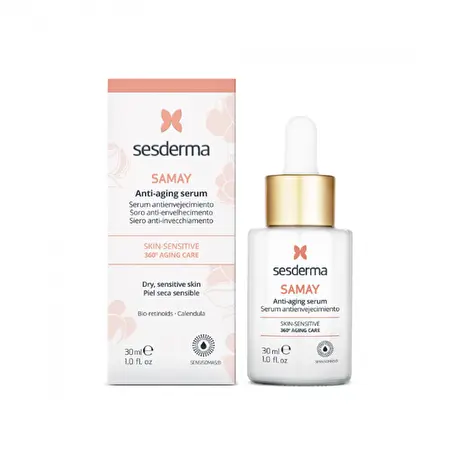
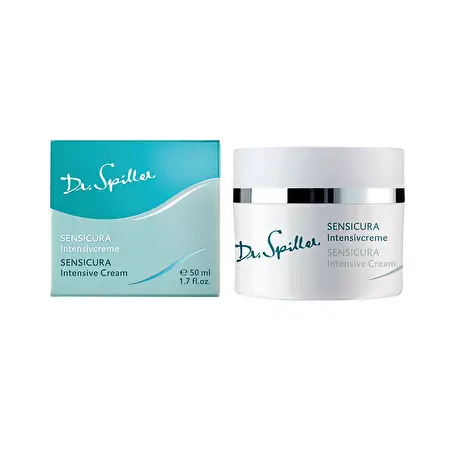
Recommended products