Enlarged Pores: What Works and How to Create a Routine
Why Do Enlarged Pores Become More Noticeable?
Pores are natural openings in the skin through which sebum and sweat are released. Their size is determined by genetics, but visually they appear larger for several reasons. First - excess sebum in oily and combination skin. Second - clogged pores caused by stratum corneum cells and makeup residue. Third - sun damage, which breaks down collagen and elastin, causing the skin to lose firmness and the openings themselves to appear wider.
Can pores be closed permanently? No. But they can be visually minimized - cleansed, sebum production regulated, and collagen strengthened. This requires a consistent routine, not aggressive exfoliation.
Which Ingredients Affect Pores?
Not all active ingredients work in the same way. Some cleanse the inside of pores, others regulate sebum, while others strengthen the skin’s structure. The best effect comes from a smart combination of them, not from one “strong” product.
BHA (Salicylic Acid)
Salicylic acid is oil-soluble, so it penetrates the pore and dissolves blockages from within. It is the key ingredient for oily skin and a T-zone prone to blackheads. Use 2 - 3 times a week as a toner or serum, especially if you are also dealing with a routine for acne-prone skin.
AHA (Glycolic and Lactic Acids)
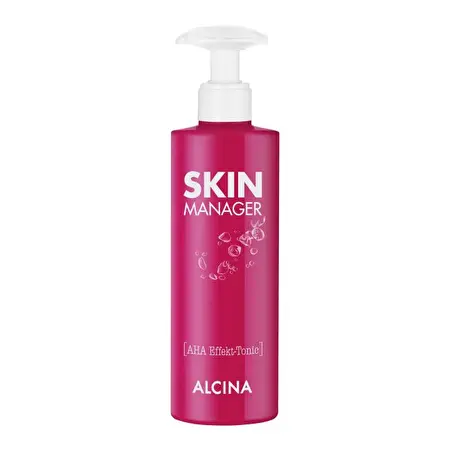
AHAs work on the surface - they loosen dead cells, smooth texture, and make pore edges less visible. Glycolic acid is suitable for more resilient skin, while lactic acid is better for more sensitive skin. Use in the evenings, alternate with BHA, and do not use both on the same evening.
Niacinamide
Niacinamide at a concentration of 4 - 5% regulates sebum production, strengthens the skin barrier, and visibly reduces the appearance of pores after a few weeks. This ingredient pairs well with almost everything and is suitable even for sensitive skin.
Retinoids
Retinols stimulate cell renewal and collagen synthesis. Over time, the skin becomes firmer and pore openings appear tighter. Start with a low concentration 2 times a week in the evenings.
Clay Masks
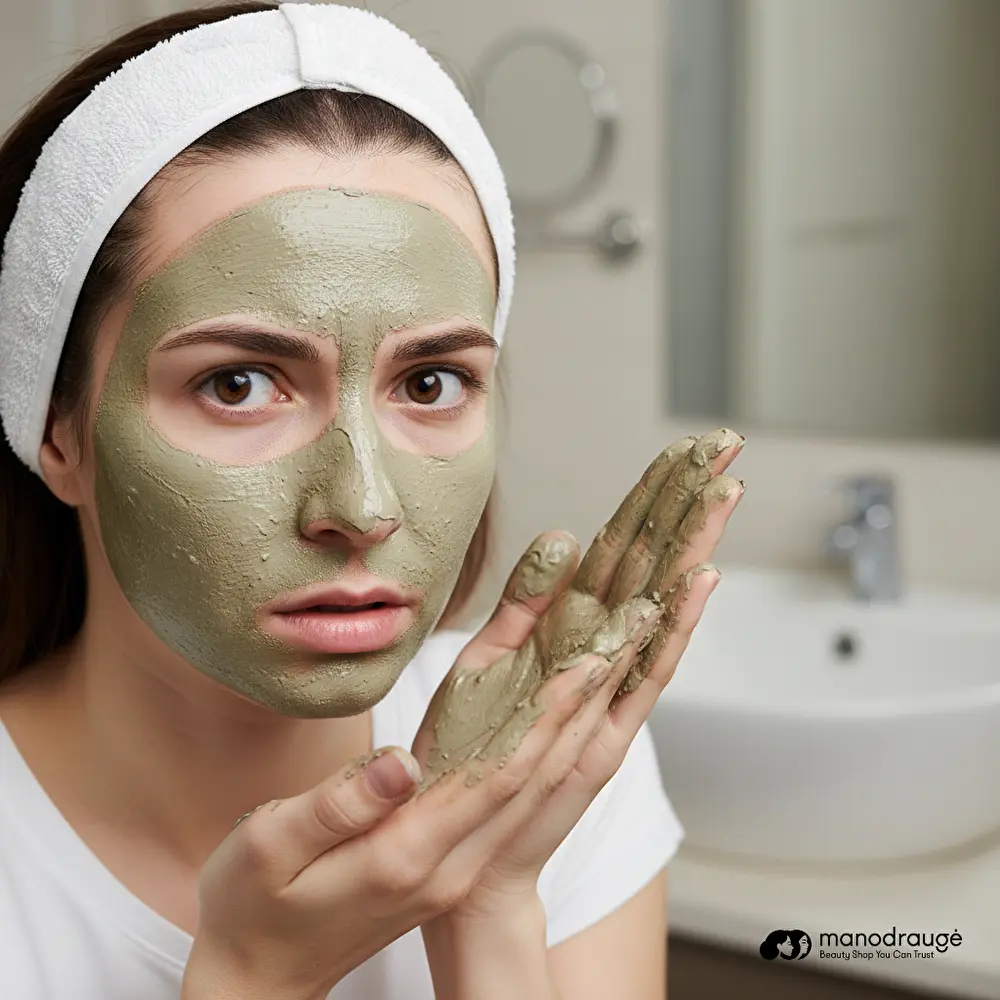
White and green clay absorb excess sebum and draw out blockages. Once a week for combination and oily skin provides a noticeable change after just a month.
SPF
Without daily protection, everything else means little. UV rays break down collagen, which is why pores become more noticeable primarily due to sun damage, not age.
Why do pores look even more visible after a week of using BHA? Our cosmetologists notice that clients get worried during the first few days, when impurities come to the surface and the black color becomes more pronounced. This is a normal cleansing stage, not a bad sign. We recommend not stopping - use the acid 2 - 3 times a week, apply niacinamide daily, and always use SPF in the morning. You will see a real change after 4 - 6 weeks. The most important thing is not to overdo it. One effective serum is better than five products used at the same time, which only weaken the barrier.
How to Build a Routine According to Skin Type?
For oily and combination skin in the morning: a gentle gel cleanser, niacinamide serum, lightweight gel cream, SPF 30 - 50. In the evening: cleanser, BHA or AHA toner (alternating), niacinamide or retinol, moisturizing cream. Clay mask for the T-zone once a week.
For sensitive or dry skin with visible pores, choose a gentler approach. In the morning - milky cleanser, niacinamide, moisturizing cream with ceramides, SPF. In the evening - lactic acid 1 - 2 times a week instead of glycolic acid, retinol starting from the lowest concentration.
What to avoid? Harsh physical exfoliants with pit particles, alcohol-based toners, hot water, and applying products in a thick layer. Pores do not shrink from this - it only irritates the skin, while sebum production increases as the skin’s response. Choose specific products for enlarged pores according to your skin’s tolerance and current routine, not based on advertising.
Our recommendations for pore care
For a visible change, three well-chosen products are enough: sunscreen with a focus on pore care, an acid toner to smooth texture, and an evening cleansing concentrate when blackheads and shine are a concern. Below, we present three products from different brands that logically complement each other in a daily routine.