Facial exfoliator: acid, enzymatic, or mechanical?
Why is a facial exfoliator an important part of your routine?
The skin renews its surface layer every few weeks. But dead cells do not always shed on their own - they build up, making the face look dull and rough, while pores become clogged. This is exactly where a facial exfoliator comes to the rescue.
Customers often ask whether a separate exfoliating product is really necessary if they use a cleanser every day. Yes. A cleanser removes makeup and oil, while a facial peel works deeper - smoothing texture, refreshing the complexion, and improving the absorption of serums and cream. Regular exfoliation also helps reduce the appearance of blemishes and blackheads.
What Is the Difference Between Acid, Enzyme, and Mechanical Exfoliators?
There are three main categories of exfoliation on the market. They work differently, so we choose them according to the skin’s needs and sensitivity.
Acid Exfoliator
An acid exfoliator works chemically - AHA (glycolic, lactic) acids dissolve dead cells on the surface, while BHA (salicylic) acid penetrates the pores and cleanses them from within. This group is suitable for skin with a dull tone, uneven texture, blackheads, or pigmentation spots. Oily and combination skin usually tolerate BHA well. Dry and mature skin - lactic acid, which gently moisturizes.
Enzyme Exfoliator
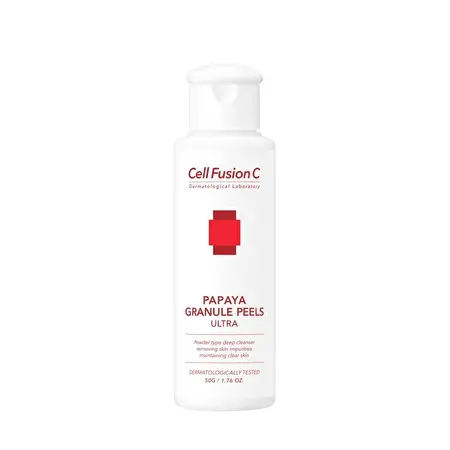
Enzyme exfoliators (papain from papaya, bromelain from pineapple) are the gentlest group. Enzymes break down only the bonds between dead cells, while living cells remain untouched. This is a good starting point for beginners and an essential choice for sensitive, redness-prone, or reactive skin. It is worth considering the benefits of an enzyme exfoliator for sensitive skin if other exfoliators have so far caused stinging.
Mechanical Exfoliator
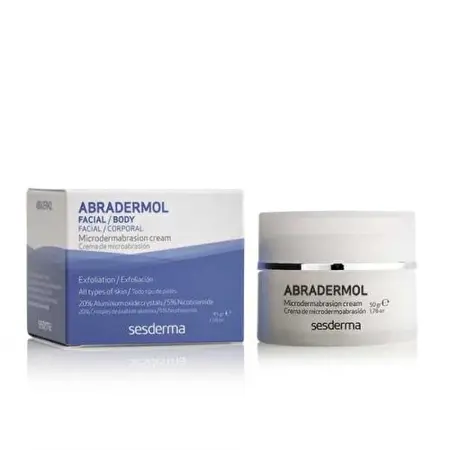
A mechanical exfoliator contains fine particles - sugar, rice powder, synthetic polyurethane, or aluminum oxide. They physically buff away dead cells. Modern formulas use round, evenly sized particles, so the skin is not scratched. A mechanical exfoliator is ideal when you want a quick feeling of smoothness before an event or makeup. For oily skin, it helps control blemishes, while for dry skin - it removes flaky layers.
How to Choose According to Skin Type?
For oily and combination skin - BHA acid 2 times a week or a mechanical exfoliator once a week. For dry skin - lactic acid or enzymes. For sensitive skin - only enzymes, once a week. For mature skin - glycolic acid, which stimulates cell renewal.
After an exfoliation treatment, the skin becomes more receptive to active ingredients. Therefore, it is also worth considering the choice of facial serums according to skin type, while the choice of face cream after exfoliation should be based on the need for hydration - the more intensive the exfoliation, the richer the cream should be.
Why does the face become red and sting after the first acid exfoliant? The answer is simple - you started too aggressively and too frequently. Our cosmetologists recommend starting with the lowest concentration, using the exfoliant only once a week for the first month, and observing the skin’s reaction. If the skin tolerates it - move on to twice a week. Never exfoliate on the same day you use retinol or a high-concentration vitamin C. And most importantly - SPF in the morning is essential, because after exfoliation the skin is much more sensitive to the sun. Without protection, accumulated sun exposure will cause pigmentation spots that you were trying to avoid.
How to Use a Facial Scrub Correctly at Home?
The frequency of exfoliation depends on your skin type and the product chosen. Sensitive skin - once a week, normal and combination skin - twice, oily skin - up to 3 times. Exfoliate dry skin gently, without pressure, to avoid drying it out even more.
Use the scrub on clean, damp skin in the evening. Moisten your face, apply a small amount of the product and massage in circular motions for 30-60 seconds. Avoid the under-eye area. Rinse thoroughly with lukewarm water. Afterwards, immediately apply a hydrating serum and a richer cream - your skin now absorbs active ingredients best.
In the morning after evening exfoliation, be sure to use SPF 30 or higher protection. This applies without exception, even in winter or on a cloudy day. You can find a wider selection by opening the facial scrubs category and browsing by skin type.
What not to do? Do not exfoliate when your skin is irritated, has open wounds, active pus-filled pimples, or cold sores. Do not combine several scrubs at the same time. And remember - more does not mean better.
Facial Exfoliators Recommended by Our Cosmetologists
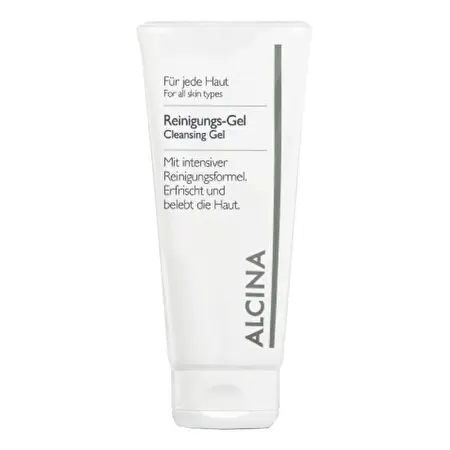
Our cosmetologists have selected three different exfoliators so that everyone can find the right one for themselves. One is designed for gentle daily radiance and more sensitive skin, another is a classic smoothing exfoliator for removing dead cells, and the third is a more intensive texture-refining exfoliator for when the skin is not irritated. Choose according to your skin’s needs and tolerance.