Why Is a Night Cream Different from a Day Cream?
At night, the skin works differently. Its protective barrier function weakens, while cell renewal processes become more active. That is why a night face cream usually has a richer texture and more restorative ingredients than a day cream. You will not find SPF filters in it, but you will find peptides, retinoids, ceramides, or oils.
Do you really need a separate cream for the night? If your skin looks tired, dry, or uneven after sleep, the answer is usually yes. A night formula works when the skin is resting and better able to absorb active ingredients.
How to Choose a Night Cream According to Skin Type?
Mistake number one is choosing a cream based on a friend’s recommendation rather than your skin’s needs. A night formula should match three things: skin type, age, and the specific concern you want to address. We write more about this in the article How to Choose a Face Cream According to Skin Type.
For Dry Skin
Look for creams with hyaluronic acid, squalane, butters, and ceramides. These ingredients restore a damaged barrier and lock in moisture. The texture can be rich, even a cream-balm type. In the morning, skin should look comfortable, without a feeling of tightness.
For Oily and Combination Skin
Choose lighter gel-cream textures with niacinamide, zinc, or salicylic acid. A night cream does not necessarily have to be heavy. It is more important that it regulates sebum production and does not clog pores.
For Mature Skin
This is where peptides, retinoids, and antioxidants work. At night, retinoids support skin renewal, smooth fine lines, and even out tone. Start slowly - 2-3 times per week, gradually increasing the frequency.
For Sensitive Skin
Panthenol, allantoin, centella asiatica, and bisabolol are your friends. Avoid fragrances, alcohol, and strong acids. A night formula should soothe, not irritate.
Night cream is only one part of an evening routine. Before it come cleanser, toner, and serum - the full sequence is described in the guide Skincare Routine Step by Step. Without proper cleansing and serum, even the best cream will only work partially.
How can you tell if a night cream is truly working? Our cosmetologists advise not to look for changes the very next morning. A realistic evaluation period is 4-6 weeks, as this is how long the full skin renewal cycle takes. We recommend taking a photo of your face in daylight before starting a new cream and repeating the photo after a month. Pay attention to the moisture level in the morning, the appearance of fine lines around the eyes, and the overall skin tone. If after 6 weeks you see no change or your skin has become more sensitive, the formula is not suitable. In that case, it is worth changing the cream or consulting a specialist.
How to Use a Night Cream Correctly?
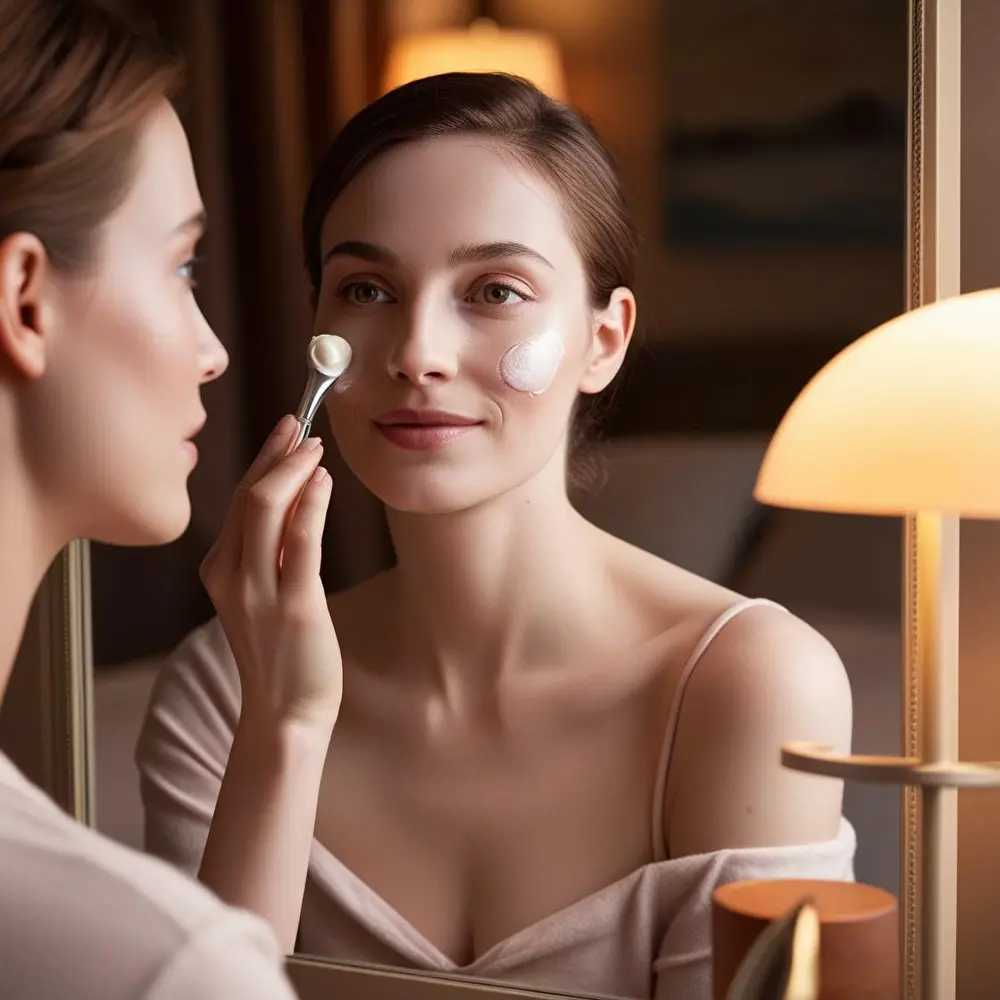
Night cream is applied as the final step—after cleansing, toner, and serum. A pea-sized amount is enough. More does not mean better.
Apply to slightly damp skin—this helps the active ingredients absorb better. Don’t forget the neck and décolletage—this skin ages faster than the face. Apply with upward movements, gently pressing but not pulling.
When should you apply it? Ideally, 30–60 minutes before bedtime, so the cream has time to absorb rather than remain on your pillow. If you use retinol, be sure to use SPF during the day, as the skin becomes more sensitive to the sun.
Can night cream be used every day? Yes, if the formula does not contain strong acids. Start using creams with retinoids 2–3 times per week and monitor your skin’s reaction. You can find a wider selection in the Face Creams category—there, creams are grouped by skin type and needs.
Our Recommendations for Night Care
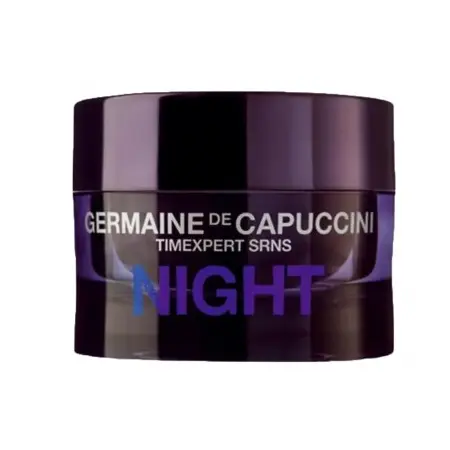
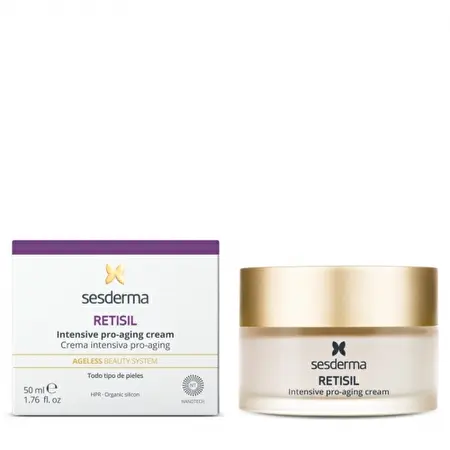
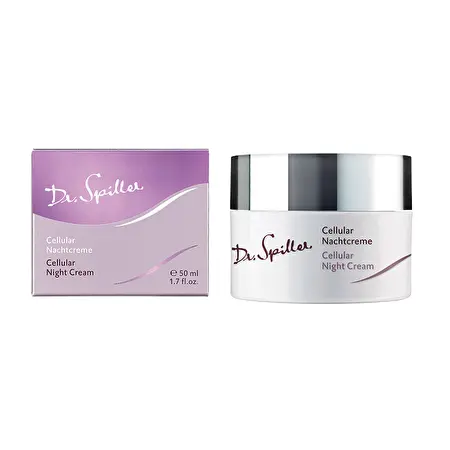
We have selected three night creams for different needs: intensive restoration of mature skin, a retinoid course for when you want firmness and smoothness, and a formula that supports regeneration and barrier care. Each of them is suitable for daily use in an evening routine.