Why Are Skin Care Myths Still Alive?
You see new tips on social media every day. One influencer praises soap, another warns that cream “clogs” pores. Customers come in confused. Our cosmetologists have been noticing the same phenomenon for years - myths about skin care spread faster than scientific facts.
The problem is that many tips sound logical. Oily skin? Dry it out. A pimple? Dry it with alcohol. But the skin works contrary to what intuition dictates. That is why in this guide we debunk nine of the most common facial skin care mistakes and explain what to do instead.
Which Skin Care Myths Are the Most Misleading?
Let’s review nine beliefs we hear in the treatment room almost every week. Some of them may seem harmless, but over time they can weaken the skin barrier.
1. Oily skin needs to be dried out
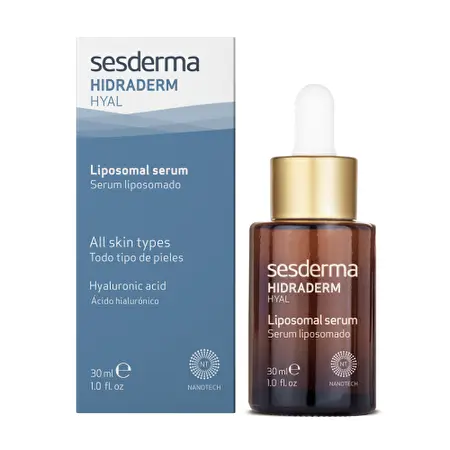
This is perhaps the most popular myth. When the skin loses moisture, the sebaceous glands produce even more sebum. This is how a vicious cycle begins. Oily skin and hydration are not opposites — a lightweight gel-textured cream with hyaluronic acid or niacinamide helps balance the skin.
2. Soap cleanses the face perfectly
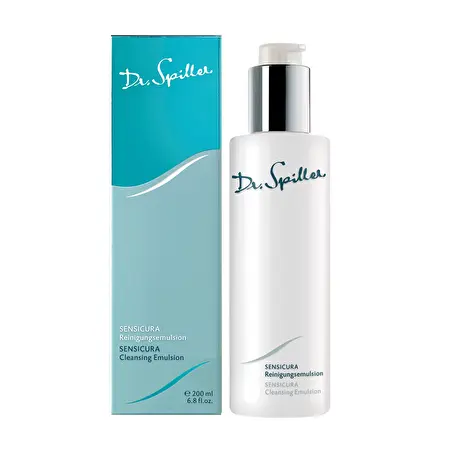
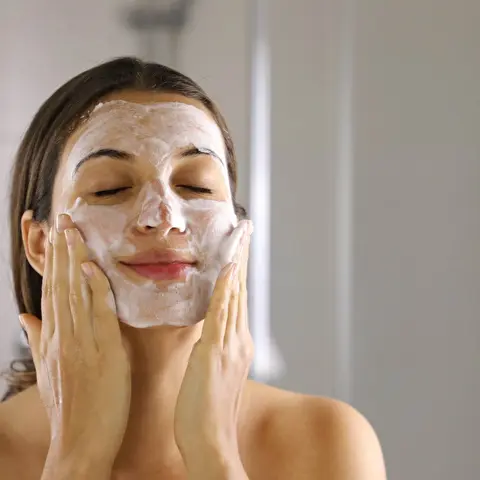
Classic soap has an alkaline pH and disrupts the skin’s hydrolipid film. Choose a gentle cleanser that matches the skin’s pH of 5.5. If you are not sure how to do this daily, read our guide on how to cleanse your face properly.
3. Hot water cleans pores more deeply
Pores do not open and close due to temperature. Hot water only dilates blood vessels and dries out the skin. It is better to wash with lukewarm water.
4. A more expensive product is better
Price does not indicate effectiveness. The ingredients and their concentration matter. Pharmacy cosmetics often contain the same active ingredients as luxury brands.
5. Natural means safe
Lemon juice, toothpaste on a pimple, baking soda exfoliation — all of these are natural, but destructive. Essential oil can cause a stronger reaction in sensitive skin than a laboratory-made preservative.
6. Pimples should be squeezed
At home — no. This causes the infection to spread deeper, leading to scars and hyperpigmentation. Spot treatment with salicylic acid works more gently.
7. Exfoliating every day gives a glow
Too-frequent mechanical or chemical exfoliation damages the protective layer. Twice a week is completely sufficient.
8. Cream is unnecessary if the skin does not feel tight
Dehydration is often not felt until you notice fine lines or flaking. Hydration is necessary for all skin types.
9. Night cream is a marketing trick
At night, the skin regenerates most actively. Its composition differs from day cream: there are no UV filters and more restorative ingredients.
Why do some customers see a change within a month, while others keep switching products nonstop? Our cosmetologists see the same pattern: customers come in with a bag full of five serums, three creams, and two exfoliants. The skin is irritated, red, and sensitive. We recommend a simple rule—three steps every day, twice a day: gentle cleansing, moisturizing, and sun protection in the morning. Actives (acids, retinol, vitamin C) should be introduced one at a time, every two weeks. Only this way will you see what works for your skin and what irritates it.
How to Avoid the Most Common Skin Care Mistakes?
Start with the basics. In the morning - a gentle cleanser, moisturizing cream, SPF. In the evening - cleansing, active ingredients (if you use them), night cream. That’s all.
SPF usage mistakes - a separate topic. SPF 50 does not mean all-day protection. The filter breaks down within 2-3 hours, so in summer and after spending longer periods outdoors, it must be reapplied. In Lithuania during winter, UVB radiation is weak, but UVA penetrates clouds and windows - so SPF 30 is also necessary in January.
When choosing a moisturizing product, consider your skin type. For oily skin - a gel with niacinamide or zinc PCA. For dry skin - a cream with ceramides and squalane. For sensitive skin - formulas with panthenol, fragrance-free. In our category, you will find the section face creams by skin type, so you won’t have to guess.
And most importantly - be patient. The skin cycle lasts 28 days, so you will see a real change after 4-6 weeks of consistent use. Not after three days.
What do we recommend instead of myth-based solutions?
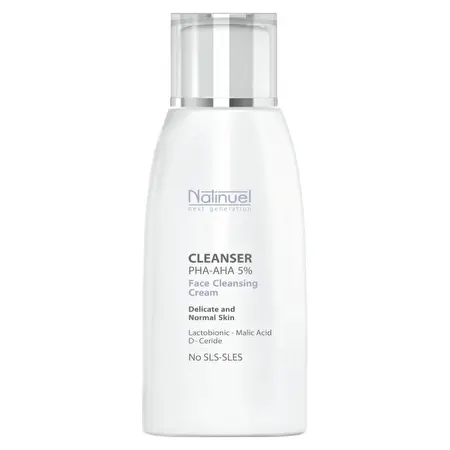
We have selected three different products that follow the principles of gentle yet effective care. One is designed for gentle cleansing without disrupting the barrier, another for hydration when the skin produces a lot of sebum itself, and the third for acidic cleansing when you want a more even skin texture without aggressive exfoliation.