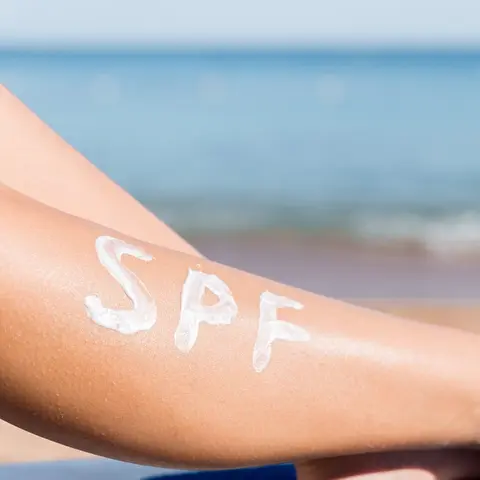
Is SPF needed in winter? Yes – here’s why.
Is SPF necessary in winter? Yes – here’s why
SPF in winter is often underestimated because the sensation of cold deceptively dulls our perception of the sun’s intensity. However, UVA rays-responsible for premature aging and pigmentation-remain active almost consistently year-round, even when the sky is overcast. In winter, snow reflection adds to the equation, amplifying overall exposure and potentially causing unexpected redness or sensitivity. With heating and wind, the skin barrier becomes more fragile, so ultraviolet triggers cause greater discomfort and micro-inflammation. That’s why sunscreen in winter isn’t a luxury-it’s an essential part of daily skincare.
Winter light may seem “harmless,” but photobiology says otherwise: UVB decreases, while UVA barely drops and penetrates deeper. Spending extended time near windows at work or in the car increases your daily dose, because UVA passes through glass. UV damage in winter isn’t immediately visible, but it accumulates, showing up as uneven tone, more visible capillaries, and loss of elasticity. Even a short midday break outside without protection adds to the total damage over the month. That’s why consistent winter SPF is a smart habit, not a seasonal whim.
UVA, UVB, and snow reflection: what changes in winter?
UVA rays make up most of the UV spectrum and change very little with the seasons, so their impact remains significant in winter. UVB rays decrease in winter, but they don’t disappear completely-especially at higher altitudes where the atmosphere is thinner. Snow reflects a large portion of UV, so skiing or walking in the mountains exposes you to both direct and reflected radiation. Clouds suppress UVB more effectively than UVA, so an overcast day is not immunity from damage. This combination of factors explains why winter sunscreen should go on your face even in sub-zero temperatures.
Altitude matters, too: for every kilometer above sea level, UV intensity increases, so a mountain holiday without SPF is a bad idea. In the city, the risk is more “cumulative”-short but frequent exposures that quietly add up to a meaningful dose. Glass in offices and cars lets UVA through, and against a snowy background it creates a double load. That’s why it helps to get into the habit of applying a thin, comfortable layer of protection and reapplying it as circumstances require. This is especially relevant for people whose skin is prone to redness or rosacea flare-ups.
The skin barrier in cold weather: why sensitivity increases
Cold, wind, and dry indoor air damage the lipid layer, making skin more fragile and quicker to react to UV. When the barrier is weaker, even a normal daily dose can cause more discomfort-tightness, redness, flaking. In winter, SPF becomes not only a filter but also a protective film that reduces transepidermal water loss, provided the formula is well balanced. Soothing layers before SPF, such as a niacinamide or panthenol serum, help the skin tolerate protection without stinging. This “hydration + barrier + protection” model effectively stabilizes sensitivity.
If your skin tends to flush, it’s worth combining protection and soothing so that by the end of the day your face doesn’t look “overheated.” In that case, a gentle serum for sensitive skin can also help reduce discomfort. If you have a tendency toward rosacea, read the related topic- redness and rosacea: soothing solutions-where you’ll find a practical calming plan. Targeted layering reduces the risk of irritation and increases the comfort of wearing SPF. In winter, this combination becomes a daily standard rather than an exception.
How to choose a winter sunscreen: filters, labels, textures
For everyday city use, look for a broad-spectrum label that ensures UVA and UVB protection, along with a comfortable, fast-absorbing texture. If your skin is sensitive, mineral or hybrid filters often feel gentler, and newer formulas don’t leave a strong white cast. In winter, you don’t need an extremely high SPF; what matters more is that the product is photostable and comfortable-so you actually want to wear it daily. For convenience, choose creams that don’t pill under makeup and don’t create a “greenhouse” effect in warm indoor spaces. This selection is easier with specialized categories such as sun protection, where it’s simpler to filter by your needs.
In winter, the texture can be slightly more nourishing, especially if you use retinol or acids that thin the barrier. If your skin is oilier, look for gel textures or light emulsions that don’t feel heavy but still protect against UVA. Combination skin often likes a “moisture bridge”-serum, light cream, and only then SPF-so it glides on and doesn’t catch. Pay attention to the UVA rating or PA markings, if listed, because in winter this protection is critical. Ultimately, choose a product you’ll realistically use every day-comfort drives consistency, and consistency drives results.
How to apply and reapply SPF in winter: a practical routine
For everyday city life, apply about two finger lengths to the face and neck, avoiding areas that tend to get irritated around the eyes. Apply after your morning moisturizing routine, leaving a few minutes so the layers can “settle” together. If you spend most of the day indoors, a morning application is enough-unless you work near a brightly lit window. Reapplication matters if you sweat heavily, spend a long time outside, or rub your face. In those conditions, a compact or spray format is convenient to keep contact to a minimum.
For winter sports, the rules are stricter: reapply every two hours, and don’t forget the ears, lips, neck, and the bridge of the nose. To make SPF a habit, keep it in a visible place-by your toothbrush or next to your makeup. If your skin is very sensitive, layer over “helpers”-a hydrating serum and a barrier cream-so the filter spreads without friction. Avoid too many layers, which can lead to flaking and reduce comfort. The simpler the routine, the easier it is to follow without exceptions.
SPF and makeup: how to combine them without conflict
For makeup to look even over SPF, choose a cream that “sets” quickly and doesn’t leave a greasy film. After applying protection, give it 5 minutes of “rest,” then continue with a light foundation or concealer only where needed. If you use powder, choose a finely milled format so it doesn’t dry out the skin or emphasize texture. Remember: SPF from makeup products is usually not enough-it’s applied too thinly-so let a separate sunscreen remain your main filter. This order ensures reliable protection and a seamless finish.
For sensitive or redness-prone skin, soothing layers before SPF are especially helpful, so you won’t need heavy coverage products later. If redness is frequent, a green-toned corrector in a thin layer only where needed can help. To increase comfort, it’s beneficial to include a serum for sensitive skin before SPF, which reduces the risk of stinging. In many cases, consistent protection means less coverage over time, because the skin becomes calmer and more even. It’s a win for both aesthetics and skin health.
The most common myths about winter SPF
Myth one: “It’s cloudy, so it’s safe.” In fact, clouds block UVB better than UVA, so damage still happens-especially pigmentation and collagen breakdown. Myth two: “I’m only going outside briefly-no SPF needed.” A few “brief” outings a day add up to a meaningful dose over a week. Myth three: “Glass protects.” Some UVA passes through ordinary glass, so working near a window without protection isn’t a solution. Myth four: “Skin rests from SPF in winter”-in reality, it may rest from excessive irritants, but not from ultraviolet rays.
Another common misconception is “high SPF is always thick and white.” Modern formulas disprove this, offering light, invisible everyday options. It’s also wrong to assume that darker skin is naturally protected in winter: melanin is not equivalent to broad-spectrum filters. Finally, SPF isn’t just a summer-holiday attribute to “pull out” only at the beach. Year-round consistency is the real “insurance” for skin quality.
A city day, working by a window, the mountains: three winter scenarios
For a city day, comfort and simplicity matter most: a light emulsion, a full dose in the morning, and-if nothing acts like an eraser-no reapplication. For working by a window, it’s worth keeping SPF on your desk and reapplying after lunch, especially if the sun shines directly on your face. If you drive daily, don’t forget the left side of the face, which more often “gets” UVA through the window. If you spend half the day outdoors, for example walking the dog or playing with children, consider a light reapplication. This differentiation lets you avoid overloading your routine while staying protected.
The mountain scenario requires stricter discipline: higher SPF, sweat resistance, and regular reapplication every two hours. Don’t forget SPF lip protection and sunglasses, because snow reflection is aggressive not only for skin but also for eyes. After a day in the mountains, restore the barrier with a more nourishing cream and a soothing serum to reduce the effects of the wind-and-sun combination. If you tend to redness, also read the themed overview- redness and rosacea: soothing solutions-it contains many practical nuances. This makes switching between scenarios intentional rather than chaotic.
How to read the label: photostability and UVA indicators
The “broad-spectrum” label shows that a product protects against UVA and UVB-this is a basic condition year-round. If you see a PA rating, higher values indicate stronger UVA protection, which is especially relevant in winter. You don’t necessarily need to memorize filter names, but it’s worth paying attention to photostability and comfort. If a formula wears well for a long time without stinging and doesn’t pill under makeup, the chances you’ll use it consistently increase. A good label is one you understand, not one that intimidates you with chemistry terms.
Your skincare routine should be consistent: gentle cleansing, hydration, protection, and in the evening-barrier repair. If your skin is sensitive, try a soothing layer before SPF so the filter “glides” more softly. For targeted searching, use structured showcases such as sun protection, where selection is faster. This way you’ll save time and money by experimenting less blindly. Knowing what to look for is half the success.
SPF and problem-prone skin: rosacea, couperose, sensitivity
If you struggle with rosacea or couperose, winter SPF isn’t negotiable-it’s first-line protection against triggers. UVA and cold promote redness, so soothing serums and ceramide creams before the filter reduce the risk of “heat waves.” If you’re looking for inspiration, review redness and rosacea: soothing solutions and consider a serum for sensitive skin as a daily calming layer. This partnership between hydration and protection helps not only prevent damage but also improve comfort. When skin is calmer, wearing SPF becomes “invisible” and pleasant.
If fragrances or alcohol irritate you, choose restrained formulas without harsh additives and adjust your layering pace. Most importantly, listen to your skin: if it’s asking for a break, reduce the intensity of actives, but don’t remove SPF from the base routine. You can even choose tinted SPF creams that provide a light tone and allow you to reduce layers of decorative cosmetics. If larger changes are needed, consult a dermatologist for an individual plan. Protection always remains the core of the strategy, even when other steps are adjusted.
Quick reminder: winter SPF every day
- Apply broad-spectrum SPF every morning, even on a cloudy day and when you’re near a window.
- In the city, a morning application is enough; in the mountains, reapply every two hours and don’t forget the lips.
- Before SPF, use a hydrating, soothing layer to reduce the risk of irritation.
- Choose comfortable textures you want to wear daily-consistency is everything.
- For searching, use the sun protection category and filter by your needs.
Related topic and further reading
If your skin tends to flush, extra context will help you understand how to combine soothing and protection. Read the in-depth guide redness and rosacea: soothing solutions and apply a few of its principles to the winter season. For everyday use, it’s also helpful to have a gentle product, such as a serum for sensitive skin, which helps reduce discomfort after SPF. These small improvements often determine whether you’ll stick to the routine without “days off.” The simpler and clearer it is, the more likely protection will become automatic.
If you’re interested in more sustainable options or want to quickly compare filter types, visit structured lists such as sun protection, where it’s easier to find what “doesn’t show,” but works. And if you want to return to the topic of winter redness in more depth, we recommend this comprehensive source: redness and rosacea: soothing solutions. It’s also worth reviewing the relevant post – Redness and rosacea: soothing solutions for sensitive skin. Further knowledge will help you make well-considered decisions and build a stable winter-adapted ritual. Finally, remember: a good SPF is the one you apply every day, not only when it’s “sunny.”